
Bad launches can be patched. A studio culture that allegedly thought covert surveillance was a reasonable management tool is a much nastier problem. That’s why the legal action now facing MindsEye developer Build a Rocket Boy matters more than the usual post-release disaster chatter: this is no longer just a story about a game stumbling out the door. It’s about whether management crossed a line that workers, regulators, and frankly anyone with a functioning sense of boundaries should find impossible to shrug off.
The headline development is straightforward. The Independent Workers’ Union of Great Britain’s Game Workers branch has initiated legal proceedings against Build a Rocket Boy over alleged data protection violations tied to Teramind, employee-monitoring software the union says was installed on company machines without staff knowledge or consent. According to the reporting across multiple outlets and the research brief here, the alleged monitoring included keystroke logging, screen activity capture, and microphone audio. Employees reportedly discovered something was wrong when machines started running slowly, and Teramind was later removed in March after complaints and a grievance backed by around 40 workers.
- This is not “workflow analytics” spun into a scary headline. If the allegations are accurate, we’re talking about invasive surveillance installed without clear disclosure.
- The ugliest detail is the remote-work angle: software on work devices can still end up recording people in their homes, which turns a management screw-up into something far more serious.
- Build a Rocket Boy’s bigger problem is trust. After a rough MindsEye rollout and separate layoff claims swirling around the studio, this lands like proof that leadership judgment is the real issue.
- The key fight now is transparency: what was collected, how long was it stored, who accessed it, and why workers still haven’t reportedly received clear answers.
Table of Contents (6)
This is the part PR departments hate: the software may be the symptom
Let’s call this what it looks like. Studios do not reach for tools like Teramind because everything is healthy and normal. They reach for them when leadership is anxious, controlling, convinced people aren’t working hard enough, or trying to impose a kind of panopticon discipline on a team already under pressure. In other words, the uncomfortable observation here is that even if Build a Rocket Boy argues there was some operational rationale, the very decision to deploy this kind of software suggests a workplace running on mistrust.
That matters because MindsEye hasn’t exactly been surrounded by a halo of confidence. The studio has already been dealing with fallout tied to the game’s troubled state and separate reporting around layoffs. Add alleged undisclosed monitoring on top, and the pattern starts to look depressingly familiar: a high-pressure studio environment where management appears more interested in control than accountability. We’ve seen versions of this before across the industry. When a company starts treating staff like the risk to be managed, instead of asking what leadership decisions created the crisis, the rot is usually deeper than one bad quarter.
If I were in the room with Build a Rocket Boy’s PR team, the question would be brutally simple: who specifically approved this, and what legal basis did they think they had for collecting that data without informed consent? Not “we take privacy seriously.” Not “we’re reviewing internal processes.” Names, timeline, and justification. Anything softer than that sounds like stalling.
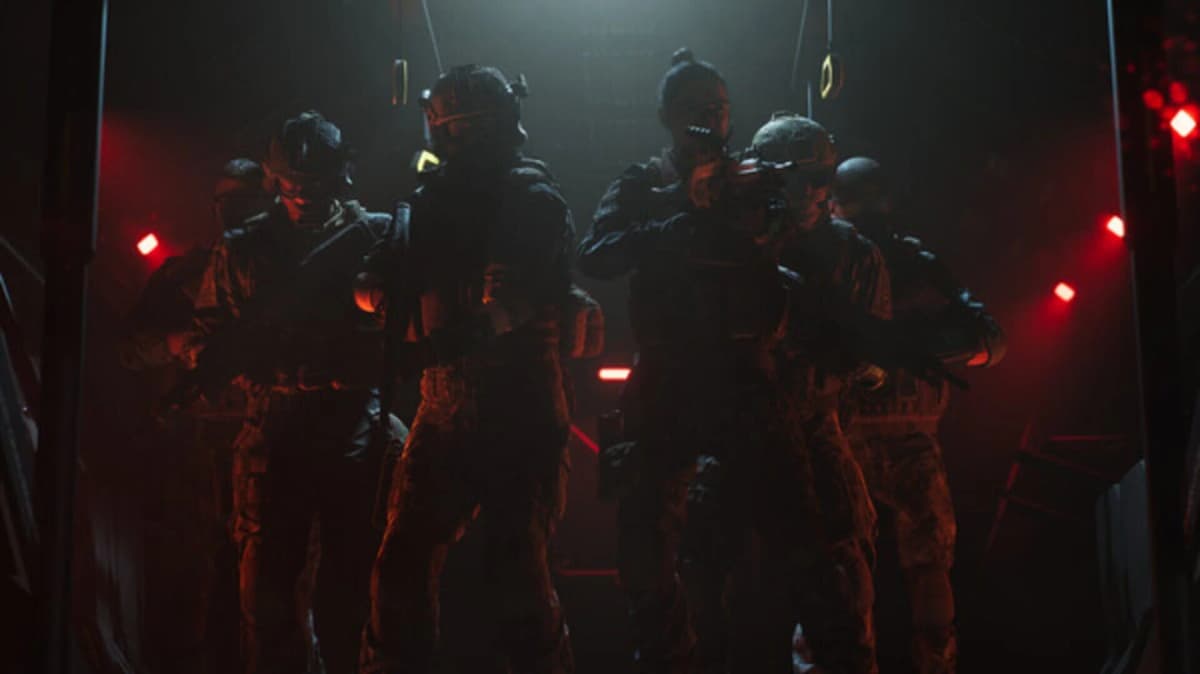
The home-office angle is why this story gets ugly fast
Workplace surveillance has been creeping into modern office culture for years, usually dressed up in the language of productivity, compliance, and security. But game development isn’t a call center, and post-pandemic studio work blurred the line between “company device” and “inside somebody’s home” in a way too many executives still pretend not to understand. That’s the real danger zone in this case.
If software capable of logging keystrokes, capturing screens, and recording microphone audio was active on devices being used remotely, then the issue is not just whether an employer monitored work output. It is whether staff were placed under a form of surveillance in their private living spaces without proper notice or consent. That is exactly why the union’s allegations hit so hard. This stops sounding like HR overreach and starts sounding like leadership forgot employees do not surrender basic dignity because a laptop belongs to the company.
And yes, there is a legal side here that matters beyond one studio. The UK and wider European regulatory climate is not especially friendly to sloppy data practices, and game companies are not magically exempt from employment and privacy law because they ship entertainment. The industry has spent years acting like labor rights, privacy compliance, and sustainable management are optional until someone forces the issue. Unions and courts are increasingly becoming that force.
The union push matters because this stops being “studio drama”
One reason this story has real weight is that it’s not just anonymous Discord venting or ex-employee subtweets. The IWGB Game Workers branch is involved, and that changes the temperature immediately. Once a union is backing legal action, the dispute becomes formal, documented, and harder to bury under the usual industry fog of “miscommunication” and “internal review.”
That’s important in games, where labor issues are still too often treated as messy side content to the “real” story of trailers, reviews, and sales charts. They aren’t side content. They are the production reality behind the games. If the allegations hold up, this case could become another reference point in the slow, ugly process of dragging game studios toward basic workplace standards that most mature industries should already understand.
There’s also a simpler point here: workers reportedly pushed back, organized, filed grievances, got the software removed, and are now pressing for answers. That sequence matters. It suggests that without collective pressure, this may not have come to light in any meaningful way. Management did not, by all available reporting, rush out with a cheerful transparency memo admitting error. Staff forced the issue. Gamers should pay attention to that, because “trust the studio” has been one of this industry’s dumbest recurring habits.
The real missing detail is the one that matters most
The central unanswered question is not whether Teramind existed on the machines. Reporting indicates management admitted it had been installed, and that it was later removed. The real question is what happened to the data. What exactly was collected? Was audio actually captured in practice, or merely possible through the software’s feature set? How long was any information retained? Was it reviewed by managers, third parties, or IT staff? Was it shared across jurisdictions? Workers reportedly still don’t have clear disclosure on those points, and that is where this shifts from “bad optics” to potentially serious legal exposure.

This is also where some caution is warranted. Different reports emphasize slightly different features and harms, and as with any active legal dispute, the full evidentiary picture is still developing. But uncertainty on the margins does not rescue the broad picture. If a studio deployed invasive monitoring without clear, informed notice and is now unable or unwilling to transparently explain the scope of collection, it has already stepped into a hole of its own making.
What to watch next
- Whether Build a Rocket Boy issues a detailed response that goes beyond denial-by-template and addresses approval, disclosure, and data retention directly.
- Whether the IWGB or claimants publish more precise allegations about what Teramind recorded in practice versus what it was merely capable of recording.
- Any regulatory involvement or court filings that clarify potential data-protection breaches and financial exposure.
- Whether this case becomes tied to broader scrutiny of the studio’s management following the MindsEye launch fallout and reported layoffs.
The signal to watch is simple: transparency. If Build a Rocket Boy can’t produce a clean, specific account of what was installed, what was captured, who knew, and why workers weren’t properly informed, then the story stops being an embarrassing episode and becomes a credibility collapse.
TL;DR
Build a Rocket Boy is facing IWGB-backed legal action over allegations that Teramind surveillance software was installed on staff machines without informed consent, potentially tracking keystrokes, screens, and microphone audio. What makes this matter is not just the software, but the management mindset it implies at a studio already under pressure after MindsEye’s problems. The next thing that counts is a concrete accounting of what data was actually collected and where it went.
FinalBoss // Gear
Level up your setup
01Top-rated gaming headsetson Amazon→02High-refresh gaming monitorson Amazon→03Gaming chairson Amazon→04Discounted game keyson Kinguin→Affiliate links · As an Amazon Associate, FinalBoss earns from qualifying purchases.
Want to Level Up Your Gaming?
Get access to exclusive strategies, hidden tips, and pro-level insights that we don't share publicly.
Ultimate Editor's Pick Strategy Guide + Weekly Pro Tips