
MindsEye’s Meltdown: Why IO Interactive Is Rethinking Publishing After a Brutal Launch
Game intel
MindsEye
Play as Jacob Diaz, a former soldier fitted with The MindsEye, a mysterious neural implant that haunts him with fragmented memories of a covert mission that ch…
MindsEye’s car-crash launch, and why I can’t stop thinking about it
I pay attention when IO Interactive puts its name on something. The Hitman: World of Assassination trilogy rebuilt trust one immaculate clockwork level at a time, and IOI’s Bond project has serious goodwill. So when MindsEye – the first third-party release under IOI Partners – faceplanted on June 10, 2025, it wasn’t just another bad launch; it was a gut check. If a studio as quality-obsessed as IOI can’t shepherd a debut like this, what does that say about the current state of AAA publishing?
Key Takeaways
- MindsEye launched across PC, PS5, and Xbox Series X/S with severe performance issues, broken AI, and missing features.
- Critical reception cratered (sub-30 Metacritic on console) and Sony issued rare refunds – a clear red flag.
- Build A Rocket Boy is already in layoff consultations after leadership departures, while patches haven’t restored trust.
- IO Interactive’s CEO called the situation “definitely tough” and says it “remains to be seen” if IOI Partners will publish third-party games again.
Breaking down the disaster
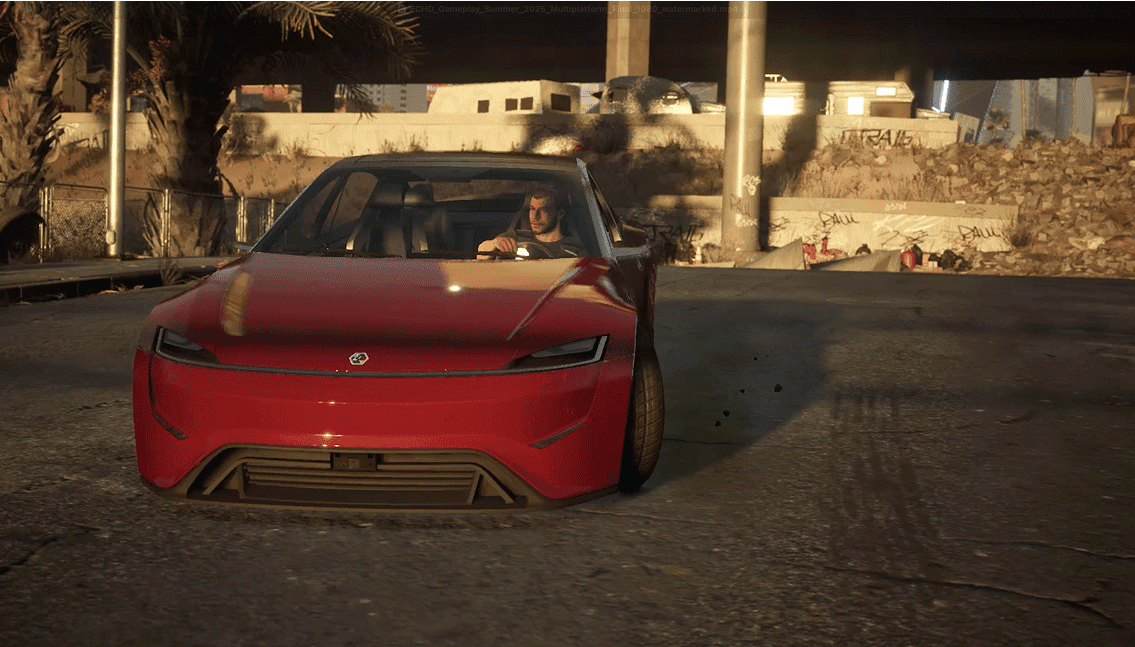
MindsEye was pitched as an ambitious open-world action RPG with a decade-long plan and user-generated content aspirations — think “Roblox, but photoreal.” On paper, that’s catnip for anyone who remembers Leslie Benzies’ Rockstar pedigree. In practice, the launch build felt unfinished. Players reported frame rates dipping under 30 FPS on PS5 Pro and even dropping toward 20 in busy scenes on high-end consoles. Stutter, crashes, and animation hitches turned basic traversal into a gamble.
Worse, core systems didn’t show up ready for prime time. Enemies stood glassy-eyed under fire, civilians cycled dead-eyed routines, and missions leaned on repetitive templates that belonged two generations ago. The user-creation tools — the big differentiator — were missing on console at launch, creating a yawning gap between promise and product. That’s not a small oversight; it’s the heart of the pitch.
The communication strategy didn’t help. Traditional review codes were limited while influencer pushes took the lead, which always raises eyebrows. Then came a defensive response about negative feedback being amplified by “bots,” and, well… that never plays well. Combine all that with Metacritic scores in the 20s and low user ratings on PC, and you’ve got a reputation cratered in a single weekend. Sony stepping in with refunds on PS5 is the kind of canary you can hear from space.
IO Interactive’s publishing gamble blows back
Here’s the part that stings for IOI: this was the first external title under its IOI Partners label. In recent interviews, CEO Hakan Abrak admitted the launch was “definitely tough” and said it “remains to be seen” whether IOI will publish other studios’ games again. That’s as close as you get to a public course correction without outright shutting the program down.
From a gamer’s perspective, publishers aren’t just logo slaps — they’re supposed to be quality gates. Day-one performance, certification rigor, and transparent comms all sit on that checklist. IOI has earned a lot of trust as a developer, but publishing demands different muscles: external QA management, milestone enforcement, and the spine to delay when the build isn’t there. If MindsEye shipped in this state, either IOI didn’t have the leverage to say “no,” or it underestimated how far the build was from ready. Neither answer is comforting.
The business fallout is already visible. MindsEye underperformed commercially, the player base tailed off quickly, and digital storefront sentiment turned toxic. If you’re IOI, you go back to what you can control: Bond, future Hitman, and internal pipelines where your culture sets the bar. Publishing other studios’ AAA debuts? That suddenly looks like a luxury risk.
Want to Level Up Your Gaming?
Get access to exclusive strategies, hidden tips, and pro-level insights that we don't share publicly.
Ultimate Gaming Strategy Guide + Weekly Pro Tips
Build A Rocket Boy: big vision, brutal reality
BRB’s high-level vision isn’t the problem — a living platform where players create and share within a polished open world is a compelling idea. The problem is execution. Reports of senior leadership exits pre-launch and a 45-day consultation period for layoffs in the UK point to turbulence behind the scenes. You can patch bugs; you can’t patch trust. And right now, MindsEye’s trust bar is scraping the floor.
There’s also the timing question. Shipping into a crowded June while chasing a sprawling feature set screams “calendar over craft.” We’ve watched this movie: Cyberpunk 2077 eventually redeemed itself after a brutal debut, but it took years, expansions, and a war chest. A fresh studio trying to build a platform and a blockbuster simultaneously rarely gets that kind of runway.
What players should do right now
- If you’re curious, wait. Track patch notes and performance reviews before diving in.
- PC is currently the safer bet for fixes and settings control, but don’t expect miracles.
- Set expectations: AI is weak, mission design is basic, and console UGC tools were missing at launch.
- Looking for a polished open-world fix? Cyberpunk 2077 post-2.0, GTA V (or RP), and Starfield are safer plays today.
The bigger picture: stop shipping betas as blockbusters
MindsEye isn’t the first messy launch, but it’s a sharp reminder that marketing-scale ambition without ironclad production is a trap. Publishers need to be the adult in the room when the dream collides with deadline. Gamers aren’t allergic to ambition; we’re allergic to paying $70 to QA the ambition. If IOI uses this as a hard pivot back to quality-first, delay-if-needed thinking, that’s a win. If not, it’s another entry in the growing list of “we’ll fix it later” launches that players are increasingly refusing to tolerate.
TL;DR
MindsEye promised a decade-long platform and delivered a shaky launch with missing features and poor performance. IO Interactive says the fallout was “definitely tough” and may step back from third-party publishing. For now, the smart move is to wait and see — and spend your time where the games actually work.