
MindsEye’s Epic Implosion: Can It Ever Recover?
Game intel
MindsEye
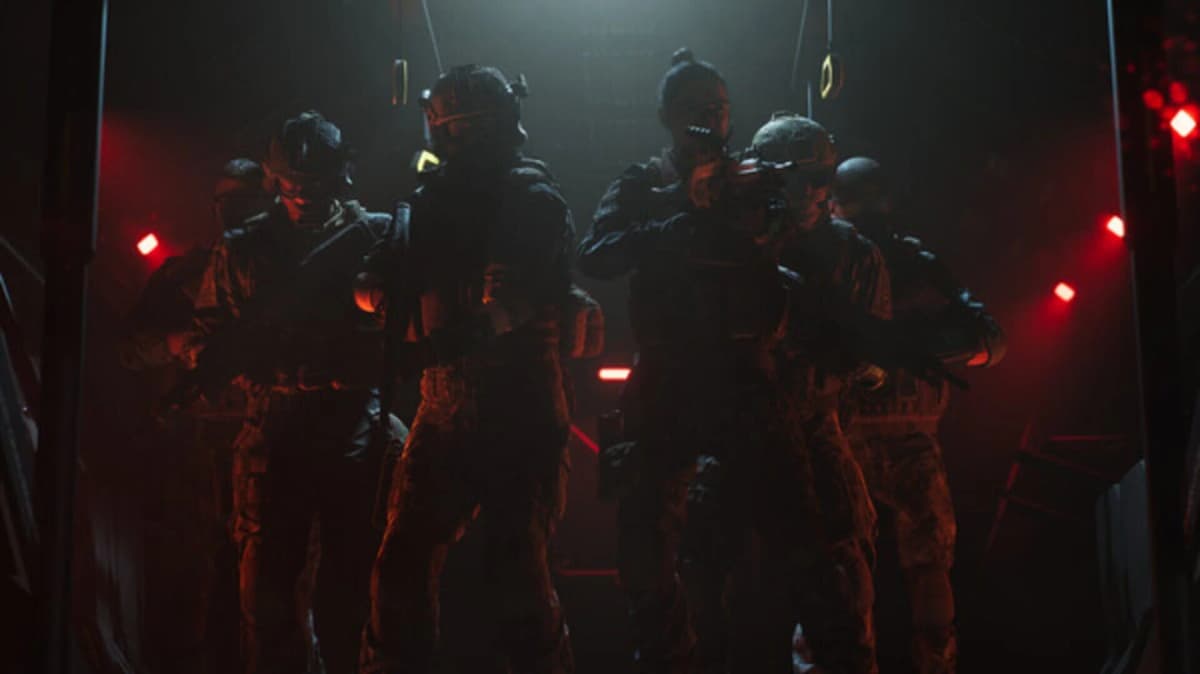
Play as Jacob Diaz, a former soldier fitted with The MindsEye, a mysterious neural implant that haunts him with fragmented memories of a covert mission that ch…
This implosion caught my eye for all the wrong reasons
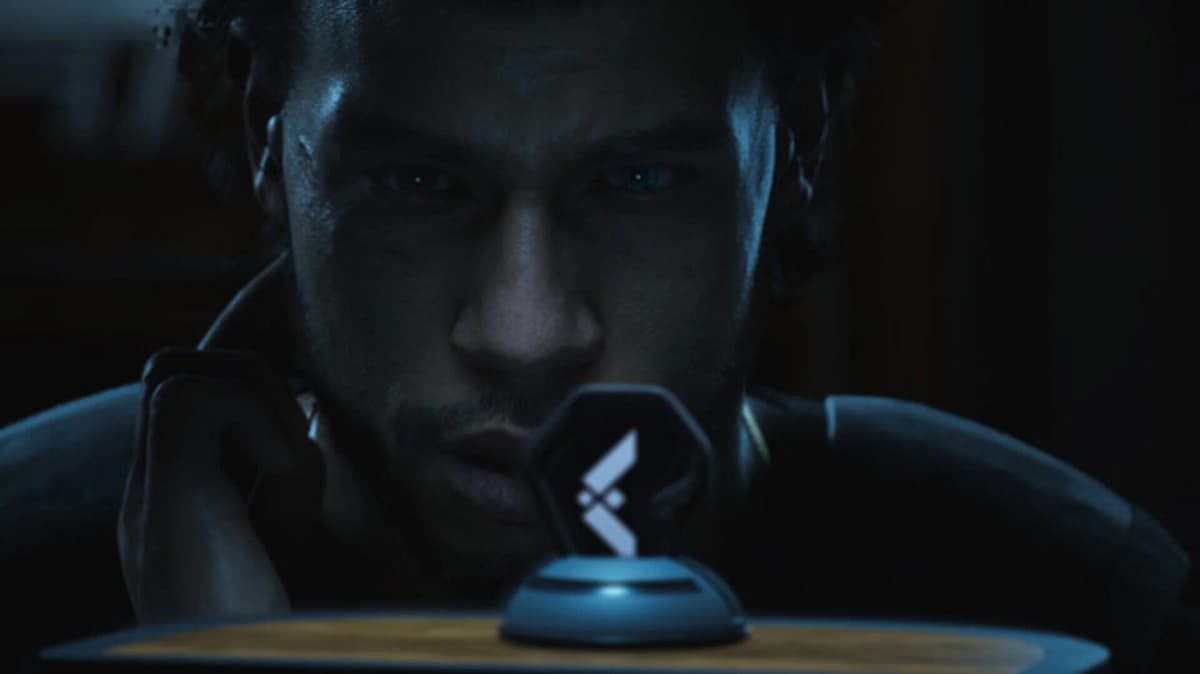
When you hear “new action-adventure from Leslie Benzies,” most of us automatically envision ex-Rockstar pedigree, audacious scope, and blockbuster potential. Yet in May 2025, MindsEye burst onto PlayStation 5, Xbox Series X/S, and PC with a devastating 37/100 Metacritic score and a jaw-dropping 2.4 user rating on major storefronts—worse than the usual “patch-it-later” disasters we’ve grown numb to. Beyond the cold numbers, lead actor Alex Hernandez (Lincoln Clay in Mafia III) described a level of toxicity so brutal that he’s publicly mulled stepping away from video games altogether.
- Performance lows, game-breaking bugs, and busted quest scripting made MindsEye “unplayable.”
- Leadership churn and last-minute executive departures signaled trouble long before launch.
- Hernandez’s candid FRVR interview on June 12, 2025, highlighted the human toll of unchecked outrage.
- A No Man’s Sky–style comeback would demand an ironclad roadmap, heavy resources, and most of all, player trust—already in shambles.
Timeline: From Everywhere Platform to Standalone Snag
MindsEye’s development history is a textbook case of ambition colliding with reality. Build A Rocket Boy, Leslie Benzies’ studio founded in 2019, initially pitched MindsEye as a marquee experience within the user-created “Everywhere” platform—an in-house ecosystem promising seamless social and narrative layers. By late 2022, whispers of scope creep began: team leads warned that integrating dynamic world storytelling into a platform still in beta was a moonshot.
In early 2023, after negotiations stalled with Everywhere’s backers, Build A Rocket Boy and IO Interactive inked a publishing deal to spin MindsEye out as a standalone AAA title. That pivot doubled the expected feature set: full open world, narrative AI, online hub, and cinematic motion-capture cutscenes. Behind the scenes, the QA team sounded alarms about resource shortfalls—yet schedules remained locked.
March 2025 saw the first crunch waves: coders worked 80-hour weeks to stabilize mission triggers, designers rewrote quest logic, and cinematics got last-minute polish. Days before the May 15 release, general counsel and CFO both departed “for personal reasons,” according to multiple LinkedIn updates. Co-CEO Mark Gerhard, in an internal memo leaked to staff, cryptically cited “machinations” and “shifting priorities” undermining the project. By then, red flags were waving like stadium banners.
Putting the “System” in Systemic Failure
Launch day delivered every worst-case scenario. Reviewers called it “unplayable,” but that barely scratches the surface. Here are the core technical breakdowns that tanked the experience:
- Frame-rate freefall: On high-end PCs, crowded city streets plunged to sub-15 fps. Consoles struggled to maintain 25–30 fps, even on “performance mode.”
- Texture popping and LOD hell: Buildings and NPCs would pop in seconds before you reached them, shattering immersion.
- Quest scripting collapse: In the chapter “Rogue Codex,” a key NPC never spawns, halting the quest chain. Players reported it globally on Steam forums by May 17.
- Save-file corruption: After the climactic “Midtown Showdown” cutscene, dozens of users on PS5 found their progress wiped, forcing a full restart.
- Infinite loading loops: Transitioning between zones occasionally locked players in loading screens for minutes with no escape.
These weren’t the flukey stutters you tolerate until patch day. This was foundational rot—bugs so deep that a simple hotfix wouldn’t suffice. I’ve witnessed epic comebacks before (Cyberpunk 2077 went from broken to surprisingly cohesive by late 2022), but MindsEye’s architecture seems fractured at its core.
The Human Cost: Alex Hernandez Speaks Out
In a heartfelt interview published by FRVR on June 12, 2025, Hernandez broke his silence:
“I’m not going to lie, it’s incredibly hard to spend over two years on a project you love—and then see it dismantled online. I read comments telling our team to kill themselves, calling them idiots… This level of vitriol almost made me walk away from games for good.”
Hernandez went on to describe gamers as “a unique species” whose passion can flip into cruelty when expectations aren’t met. His point is well taken: ripping into a corporate entity is one thing; persecuting individual actors and devs who poured their souls into the game crosses an ugly line.
Why MindsEye Matters Beyond One Bad Launch
We’re watching a pattern: veteran creators leave established studios, launch new teams, promise cinematic open worlds, then collide with underresourced pipelines and shifting leadership. MindsEye’s pivot from the crumbling Everywhere vision to a full AAA release should have been a glaring warning. Combine that with IO Interactive’s glossy “007” branding and you have a marketing headline prime for disappointment.
The lesson for the industry and players is two-fold. First, big names aren’t bulletproof. Second, we’ve incentivized the “ship now, fix later” economy by plunking down pre-orders on vision alone. Until consumers wait for real performance and stability reports—rather than early hype—studios will keep rolling out half-baked releases.
Could MindsEye Pull a No Man’s Sky?
Let’s temper optimism with reality: No Man’s Sky (2016) and Cyberpunk 2077 (2020) both endured epic comebacks, but each had a clear path forward:
- No Man’s Sky: Focused on fundamental features—base building, multiplayer, Atlas Rises update—and communicated openly over two years.
- Cyberpunk 2077: Prioritized stability patches, next-gen console support, and a transparent public roadmap through 2022.
MindsEye currently lacks both transparency and a stable foundation. To stand any chance, Build A Rocket Boy and IO Interactive must commit to a public, staged roadmap with no more pivots:
Suggested 90-Day Redemption Roadmap
- Days 1–30 (Patch 1.1): Stability First
• Address game-breaking crashes and loading loops.
• Optimize core performance: target 30+ fps on all platforms.
• Release detailed patch notes and dev video on official Twitter/X and website. - Days 31–60 (Patch 1.2): Quest and Save Integrity
• Fix major quest scripting errors (e.g., Rogue Codex, Midtown Showdown).
• Resolve save-file corruption bug documented on PS5 and PC.
• Open a public QA forum for players to submit verified bug reports. - Days 61–90 (Patch 1.3): Narrative & UI Pass
• Polish dialogue, cutscene triggers, and NPC behaviors.
• Tweak UI menus to remove freezes and improve usability.
• Freeze any paid DLC or microtransaction plans until core game is solid.
Only once milestones are hit should the team tease expanded content or DLC. Crucially, executives must hold monthly “state of the game” streams, share real metrics, and avoid insider conspiracy talk. Without that level of candor and disciplined scope, player trust will stay buried.
What Gamers Should Do—and Expect—Right Now
- If you’ve already bought MindsEye, wait at least four weeks to judge post-1.1 patch stability before seeking a refund.
- If you’re undecided, hold fire until you see solid performance benchmarks and positive user reports after Patch 1.2.
- Critique the product and leadership choices, not the actors and rank-and-file devs who invested years into this project.
- Watch IO Interactive’s and Build A Rocket Boy’s official channels for weekly dev updates and patch timelines.
- Be ready to snag a steep discount: historically, games with this reception drop 50–70% in price within weeks.
Want to Level Up Your Gaming?
Get access to exclusive strategies, hidden tips, and pro-level insights that we don't share publicly.
Ultimate Gaming Strategy Guide + Weekly Pro Tips
Looking Ahead: Empathy and Execution
As someone who grew up on Benzies’ audacious, systems-driven crime dramas, I desperately wanted MindsEye to recapture that magic. But ambition without rigorous scoping and QA is mere marketing. The real heroes in game development are the producers who say “no,” the testers who catch showstopper bugs, and the leads who balance cuts and features to meet realistic deadlines.
If Build A Rocket Boy can stabilize MindsEye’s technology and adopt transparent communication, a comeback is remotely possible. Until then, let this stand as a cautionary tale: talent pedigrees don’t ship games—disciplined pipelines, honest leadership, and relentless quality assurance do. And for the rest of us in the stands? Empathy costs nothing. You can roast a broken release and still respect the people who poured their hearts into it.
TL;DR
MindsEye’s May 2025 launch cratered at 37/100 Metacritic and a 2.4 user score. Systemic performance failures and quest-breaking bugs drove toxic backlash that even scared lead actor Alex Hernandez. Only a public, resource-backed 90-day roadmap—stability, scripting fixes, narrative polish—and real communication can salvage it. Gamers: wait for patches and proof before you invest.