
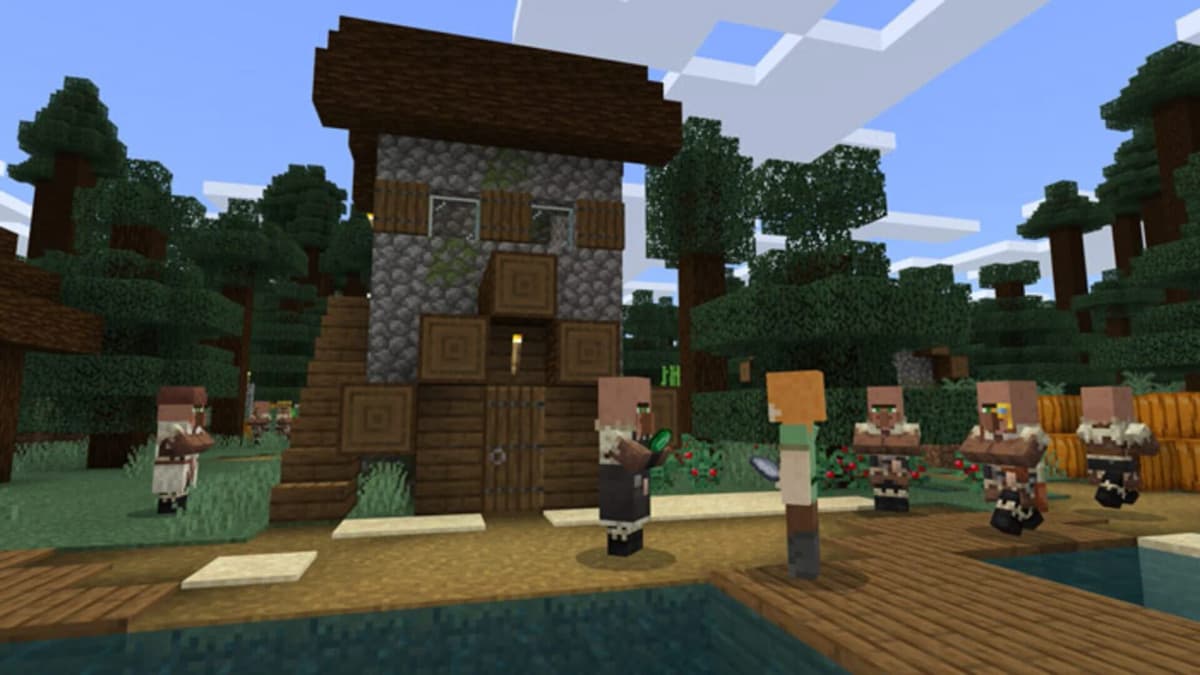
Handheld gaming has always had a timing problem. Big open-world games promise freedom, then punish anyone who has only half an hour before leaving the house. Minecraft: Ocean Heroes works better when treated as a collection of small, self-contained plans: one route, one build, one dangerous night, one useful upgrade.
These are six Game Pass-friendly Minecraft sessions for Lenovo Legion Go 2 owners who want to get moving quickly. The ranking favors readable goals, low mental overhead, and a clean stopping point. A long survival world can wait; the point here is to make 15 to 60 minutes feel like genuine progress.
Table of Contents (6)
1. Minecraft: Ocean Heroes – The 15-Minute Combat Loop
For the shortest break, pick a nearby threat, clear it, collect what it drops, and stop. Minecraft combat has enough immediacy that there is no long re-learning phase between sessions: equip the essentials, read the terrain, and get to work. It has the same “one more fight” pull that can quietly eat an evening, except you can cut it off after a single successful loop.
This is the best fit for players who want action rather than a checklist. Keep the objective deliberately narrow. Wandering for a perfect outcome is how a quick handheld session becomes an unfinished errand.
2. Minecraft: Ocean Heroes – A Cushion Route Experiment
Mojang has turned a long-requested Minecraft idea-sitting—into a functional test-build feature with Cushions. They can be crafted using three wool slabs of the same color, and their real appeal on a short session is simple: build one compact route and see how efficiently it changes movement through a familiar area.
Players are already placing multiple Cushions and repeatedly interacting with them to create short-range movement horizontally and vertically. That makes a 20-minute session feel more like a strange little traversal puzzle than routine building. The trade-off is unavoidable: the technique comes with bugs and performance concerns, so save the serious survival plans for more stable play.
3. Minecraft: Ocean Heroes — One Useful Build, Then Quit
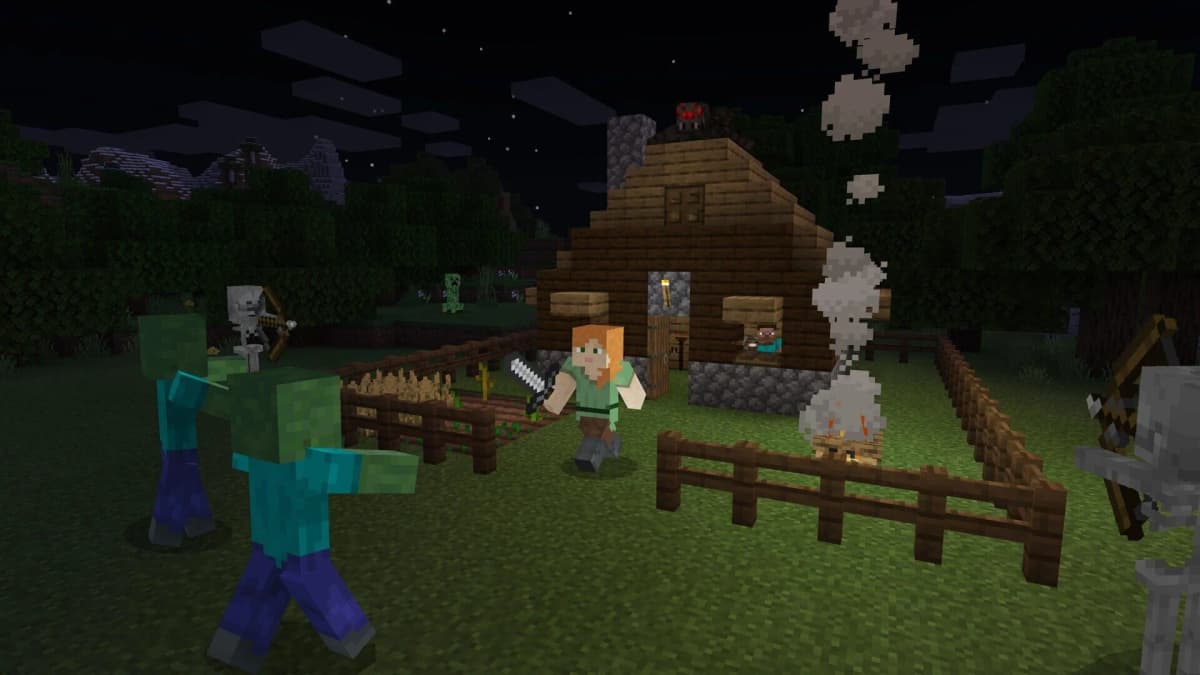
Minecraft is at its most handheld-friendly when the build has a job. Make a compact shelter, improve a storage corner, extend a path, or finish one section of an ocean-facing outpost. A single practical project gives the session a clear ending, which matters more than chasing a sprawling masterpiece on a portable screen.
The best rule is to gather only the materials for today’s piece before placing the first block. That removes the usual survival-game trap where “I’ll build a small dock” turns into an hour of harvesting and no dock at all.
4. Minecraft: Ocean Heroes — The Straw Bed Expedition
A 30-minute expedition becomes far less awkward when the night is a hurdle rather than a reason to abandon the trip. Straw Beds let players sleep through the night without resetting their spawn point, giving a roaming session a proper midpoint without changing the stakes of the larger world.
There is a useful catch: Straw Beds break after use and are destroyed after sleeping. That turns each one into a tactical resource, not permanent furniture. Bring one for a focused trip, use it when darkness would derail the plan, then accept that the expedition has moved on.
5. Minecraft: Ocean Heroes — The 40-Minute Resource Run
A resource run earns its place because it gives Minecraft’s sandbox structure without demanding a huge creative decision. Choose one material, set a return point, fill the inventory, and head back. The loop works especially well after a few days away: the controls and priorities come back fast because the goal is visible from the start.
Give the haul a purpose before leaving. A trip for wool to make Cushions, for example, has a clean payoff when the new route is ready by the end of the session. Resource gathering without a destination is where portable Minecraft loses its momentum.
6. Minecraft: Ocean Heroes — The One-Hour Base Reset
When there is a full hour free, use it to make the next short session better. Sort supplies, repair the parts of the base that irritate you, establish a safer departure point, and prepare a small stack of expedition gear. It is unglamorous work, but it creates the kind of world that welcomes quick returns instead of demanding a lengthy reorientation.
This is also where Minecraft’s strategy side gets its due. A well-organized base turns future combat, building, and exploration sessions into choices rather than chores. For Lenovo Legion Go 2 play, that is the decisive advantage: every spare window can become a finished activity instead of a half-started adventure.
The verdict: Minecraft is the Game Pass pick to keep installed when your schedule is unpredictable. Treat Ocean Heroes as six small games inside one sandbox—fight, travel, build, sleep, gather, reset—and it delivers far more satisfying handheld sessions than a giant quest that never reaches its next checkpoint.
FinalBoss // Gear
Level up your setup
01Best-selling Xbox Series X|S gameson Amazon→02Xbox controllerson Amazon→03Top-rated gaming headsetson Amazon→04Discounted game keyson Kinguin→
Affiliate links · As an Amazon Associate, FinalBoss earns from qualifying purchases.
Want to Level Up Your Gaming?
Get access to exclusive strategies, hidden tips, and pro-level insights that we don't share publicly.
Ultimate Top Strategy Guide + Weekly Pro Tips