
Table of Contents (8)
Mirage is less a new league and more the Atlas learning to speak PoE 2
Path of Exile’s next expansion, Mirage, does something few updates attempt: it quietly changes the endgame’s language. Instead of another layer of content, Grinding Gear Games is grafting PoE 2’s node-based mindset onto PoE 1’s decade-old Atlas – generic keys that open Atlas nodes replace map‑specific keys, and astrolabe items carve rifts that focus modifiers, difficulty and rewards across map clusters. That makes Mirage the first real probe to see whether PoE’s legacy audience will accept a modernized endgame before the sequel’s bigger overhaul lands next month.
Key takeaways
- Generic keys replace map-specific keys: you’ll unlock Atlas nodes rather than hunt exact map keys – a clear nudge toward PoE 2’s node model.
- Astrolabes create rifts that raise difficulty and rewards for sections of the Atlas, encouraging high‑risk, focused farming runs.
- Mirage bundles meaningful QoL changes – currency exchange favoriting, simultaneous inventory/currency windows, shrine hover prioritization — many noted by PC Gamer.
- GGG is testing design patterns from PoE 2 inside PoE 1; the sequel’s fuller endgame overhaul arrives in April and will likely amplify these shifts.
What actually changed (and why it matters)
For ten years the Atlas of Worlds rewarded players who chased the right map keys and wrestled RNG into yielding their preferred content. Mirage swaps that hunt for a simpler toolset: generic keys that open Atlas nodes tied to maps, and new astrolabe items that spawn rifts — think temporary, targeted leagues inside the Atlas that add modifiers, difficulty spikes and unique loot. The mechanics borrow from PoE 2 (which uses tablets and node travel) but keep the web and progression familiar to PoE 1 players.
Mechanically this is smart. Removing map-specific keys reduces the dead time where progression is gated by a missing drop. Players can unlock the node they want and start shaping runs immediately. But “smart” ≠ “harmless.” The astrolabe rifts explicitly create concentrated pockets of juiced difficulty and rewards, and that re-focuses play and the economy toward a smaller set of high-yield nodes.
Borrowing from PoE 2 without breaking PoE 1
Mirage reads like an engineering compromise: preserve the Atlas identity while porting the parts of PoE 2 that reduce friction and make progression clearer. PC Gamer flagged a slate of quality‑of‑life additions — currency-exchange favoriting, inventory/currency windows opening together, shrine hover priority to prevent misclick deaths, over 20 new landmark rooms and tweaks to divination and gem transmutation — all the small things that make PoE feel less like a 2013-era UI experiment.
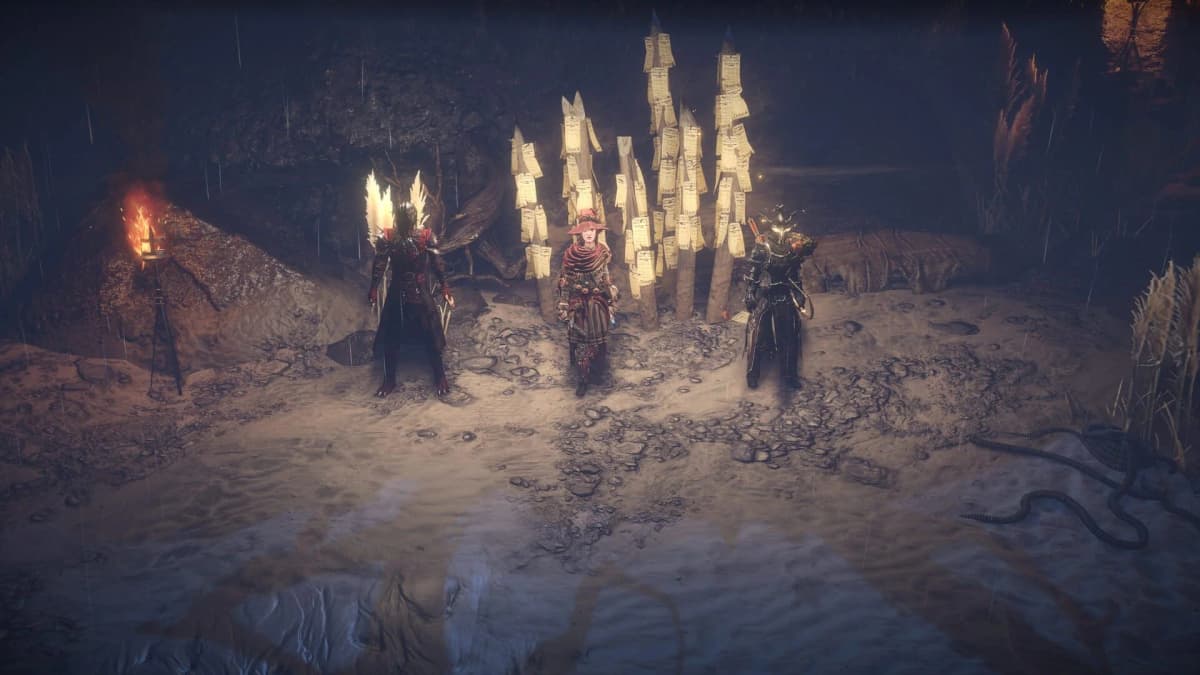
The update also keeps a few headline moves from earlier announcements: a permanent Scion ascendancy and the Mirage mechanic that reshapes activities (Steam’s community news framed this as a big pivot, warning of “serious implications for juicing”). In other words: the team isn’t timid. They’re standardizing a path toward PoE 2’s worldview while leaving enough of PoE 1’s scaffolding intact that veteran expectations aren’t tossed out wholesale.
The uncomfortable observation GGG doesn’t lead with
This update centralizes power. Generic keys and astrolabe rifts make it easier to funnel players toward the most lucrative nodes. That’s great for clarity and for players who hate slow progression — but it concentrates demand. Expect map markets, fragment prices and farming behavior to react. “Juicing” — amplifying difficulty for better drops — becomes a lever you can point at fewer locations, which risks turning the Atlas into a series of hotspots rather than a varied playground.
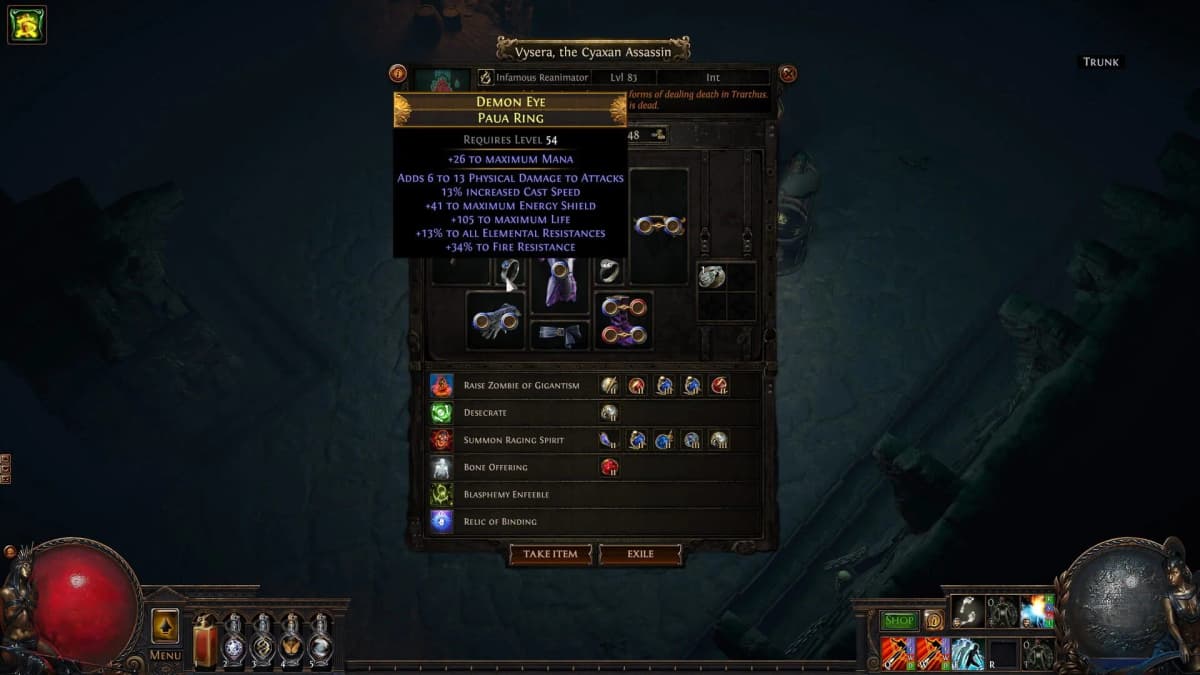
If I had one question for GGG’s PR rep, it would be: how will you ensure map variety and a healthy in-game economy when astrolabes can repeatedly juice the same clusters? Will drop rates and map rarity shift to counterbalance concentrated farming, or are we handing players and third-party tools a way to steamroll the economy?
Also: story and atmosphere
The Mirage trailer (IGN) leans hard on mood rather than mechanics — Jin trapped in an astral plane, an Afroord corruption, rescue missions that promise “wishes” and an ancient evil wanting freedom. It’s cinematic window dressing for the gameplay changes, but it matters: focused rifts and wishes sell the idea that these are deliberate, dangerous pockets worth risking a character for.
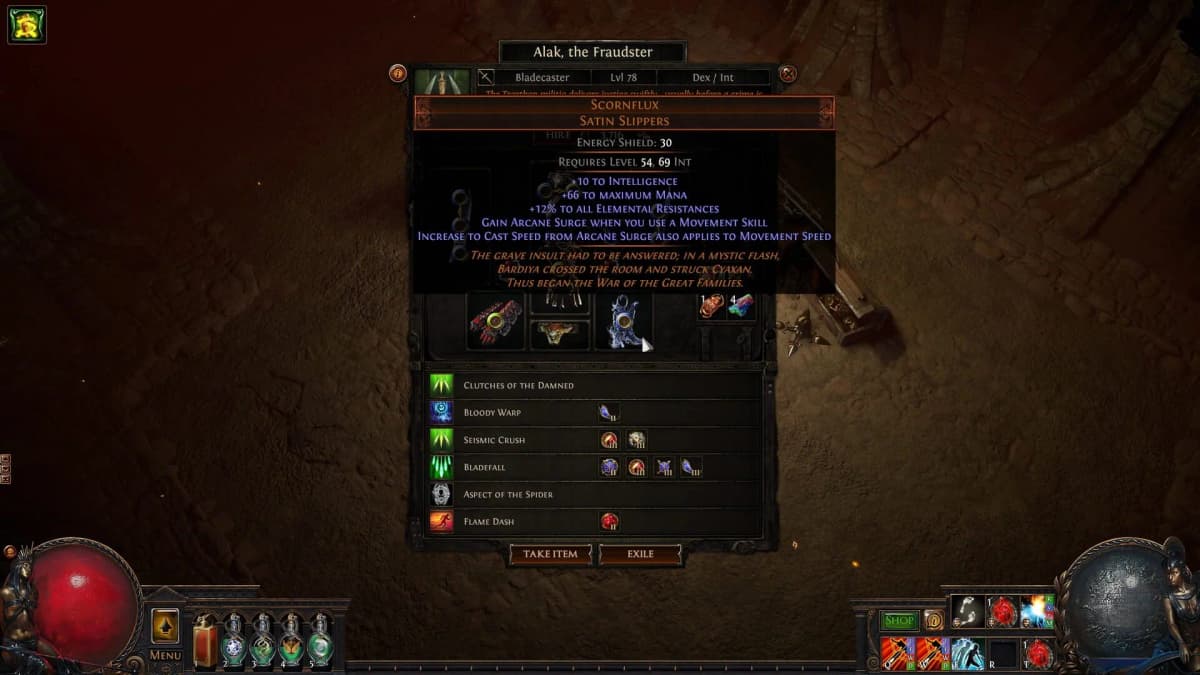
What to watch next
- March 6 — Mirage launches on PC, PS4/PS5, Xbox One and Series. Read the patch notes and watch top streamers for early juicing data.
- Player economy movement — track map fragment and unique prices over the first two weeks; spikes or crashes will show whether astrolabe farming centralizes loot.
- April — PoE 2’s endgame overhaul arrives. Watch how many of Mirage’s design choices get amplified there; Mirage is a test run, not the final word.
Mirage isn’t just a content drop. It’s the Atlas being rethought mid-flight: enough PoE 2 DNA to modernize progression and enough PoE 1 bone to keep long‑time players comfortable. That’s deliberate. Whether it pays off will show in the first month’s player data and market shifts — and in how fast Grinding Gear Games reacts to any unintended concentration of power.
TL;DR
Mirage modernizes the Atlas by swapping map-specific keys for generic node keys and adding astrolabe rifts that juice clusters of maps. It borrows PoE 2 ideas and bundles useful QoL fixes, launching March 6 on PC and consoles. Watch early marketplace movements and juicing behavior — this is a conscious step toward PoE 2’s endgame, not a cosmetic tweak.
FinalBoss // Gear
Level up your setup
01Top-rated gaming headsetson Amazon→02High-refresh gaming monitorson Amazon→03Gaming chairson Amazon→04Discounted game keyson Kinguin→Affiliate links · As an Amazon Associate, FinalBoss earns from qualifying purchases.
Want to Level Up Your Gaming?
Get access to exclusive strategies, hidden tips, and pro-level insights that we don't share publicly.
Ultimate Gaming Strategy Guide + Weekly Pro Tips