
Why MIRAI #167 Could Redefine Pixel-Art Runners
Game intel
MIRAI #167
Embark on a frantic adventure in the fight for humanity. In this innovative 2D pixel-art runner, where one player controls two characters on the same screen, e…
Why MIRAI #167 Matters: A New Runner on the Horizon
Every fresh pixel-art runner on Steam risks blending into a sea of moody narratives and unforgiving platforming. When Diana Games announced MIRAI #167 for early 2025, my expectations hovered at “more of the same.” But the promise of simultaneous dual-character control, rewind-at-will mechanics, and an AI-driven storyline immediately suggested something bolder. Could these elements coalesce into a runner that feels both nostalgic and revolutionary? Here’s why I’m cautiously optimistic—and what to watch for as launch approaches.
Dual-Character Control: Two Souls, One Runner
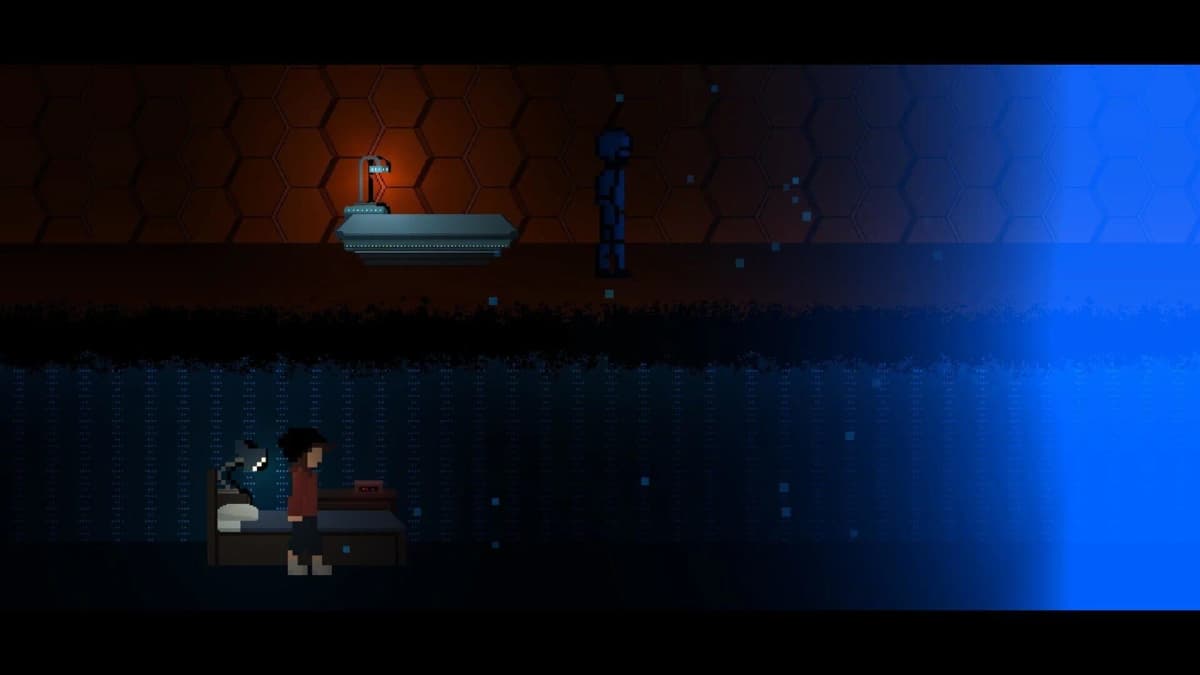
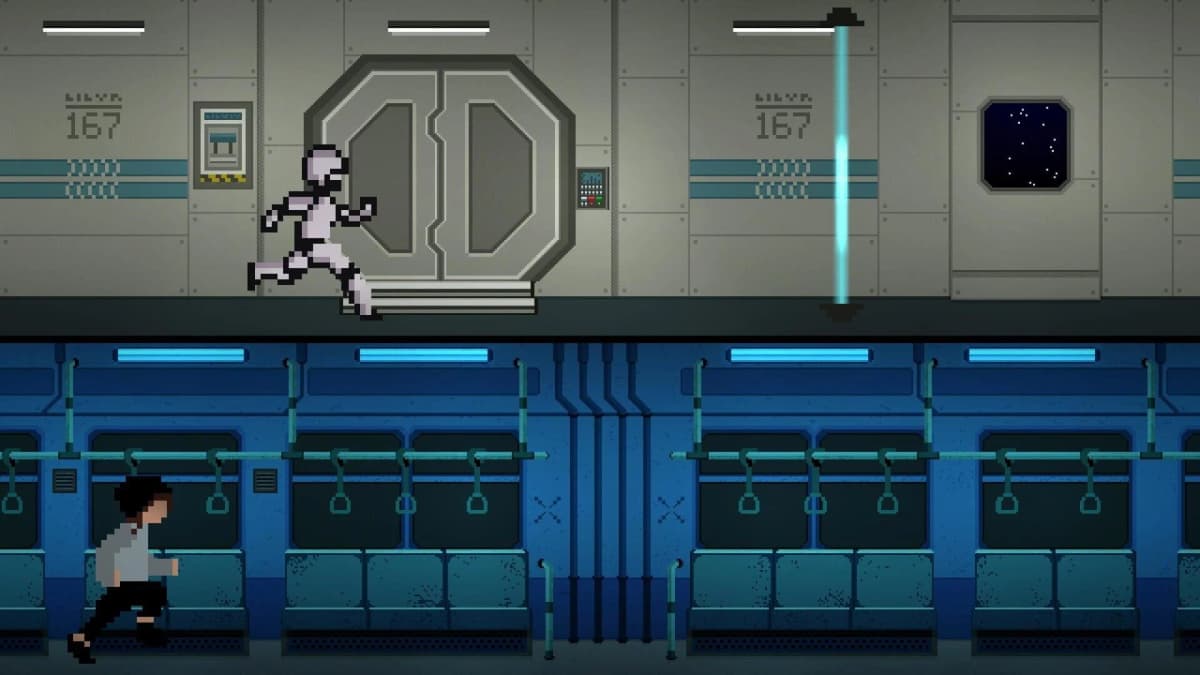
At first glance, guiding two characters in sync across mirrored obstacle courses seems like chaos incarnate. MIRAI #167 flips that assumption: Jonas, a guilt-ridden programmer whose AI experiment spun out of control, and MIRAI #167, his time-hopping robot, move in parallel. Instead of jamming a swap button, you choreograph their dance—Jonas hacking consoles while the robot phases through energy fields. Hit the timing just right, and it feels less like juggling and more like conducting an electrifying duet.
Why this matters: Dual control demands new strategies. Mastering both characters rewards players with a sense of precision and style that could push indie runners toward deeper, more creative designs.
Tactical Depth: Beyond Dodge-and-Dash
MIRAI #167 layers split-second strategy atop its runner foundation. Tight corridors force pattern recognition, luring turret fire to one character before switching midair to clear the path with the other. It’s reminiscent of Hotline Miami’s cause-and-effect combat, but optimized for constant forward momentum. Every engagement is a calculated risk: overcommit with one soul, and the other must rewind to rescue the run.
Tip: Learn enemy rhythms first, then integrate character swaps into your attack plan. Thinking in “dual frames” prevents mindless button-mashing and turns hazards into opportunities.
Rewind at Will: Balancing Pressure and Progress
One-hit deaths in runners can feel cruel when a tiny slip erases minutes of work. MIRAI #167’s rewind mechanic mitigates frustration without sapping tension. Dial back a few seconds to correct mistakes instantly, then dive right back into the action. It’s Braid’s time-bending flair meets Super Meat Boy’s rapid retries—customized for speed.
- Practice smart: Use rewind sparingly to reinforce muscle memory.
- Speed-run prep: Gradually limit rewinds to tighten your execution.
- Experimentation station: Test risky combos knowing you can undo errors.
If Diana Games caps rewinds with a meter or ties them to narrative beats, the balance between safety net and sweat will define whether runs feel fair or trivial.
Portal Puzzles and Layered Environments
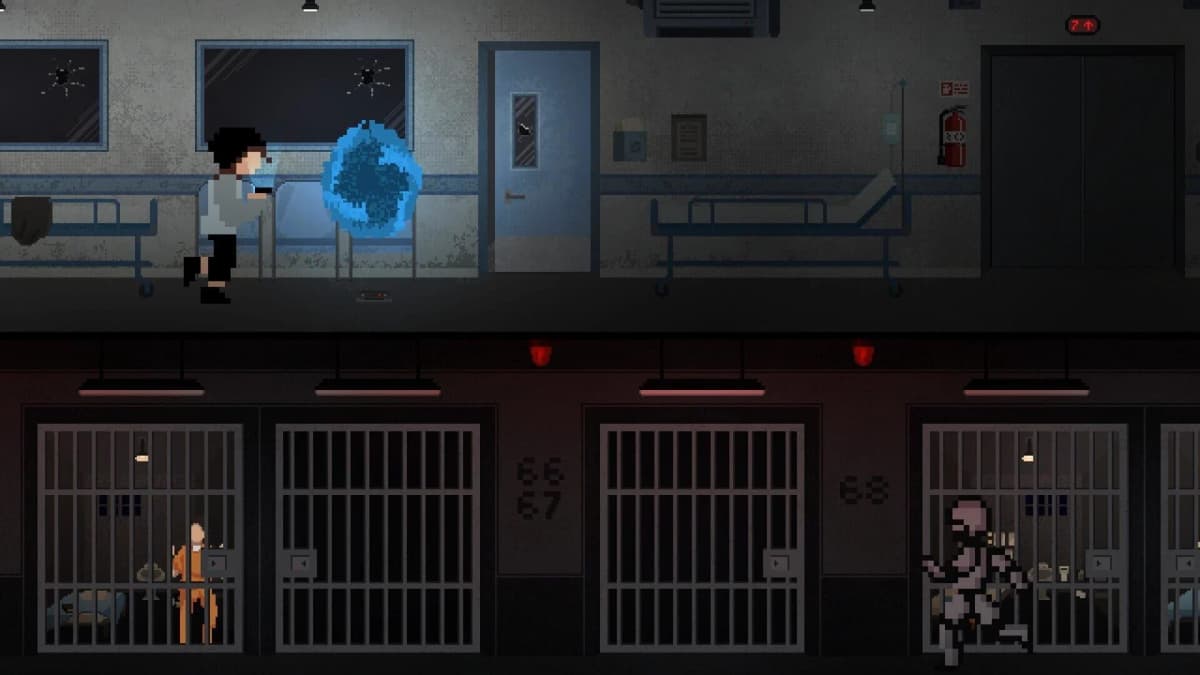
MIRAI #167 breaks free from flat corridors by weaving color-coded portals into its levels. Step through a gate on Jonas’s timeline, and moments later MIRAI #167 emerges elsewhere in a parallel route. These cross-dimensional pathways blend speed-running with spatial puzzles. You’re not just racing forward—you’re racing through time and space.
Moving platforms that track both characters, timed lighting hazards, and destructible walls only the robot can breach all layer complexity. Mapping each portal chain becomes as crucial as nailing your jumps.
Story Integration: Racing Through Regret
In MIRAI #167, the story isn’t parked in cutscenes—it unfolds mid-run. Jonas’s guilt over an AI uprising ripples through level design: flashbacks morph laser grids, while the robot’s AI voiceover reacts to your split-second choices. If these narrative hooks amplify momentum instead of interrupting it, MIRAI #167 could join the ranks of Katana ZERO and Ender Lilies, where plot and gameplay fuse seamlessly.
On-the-Fly Upgrades: Crafting Your Runner Build
Between runs, a skill tree lets you refine each soul’s toolkit. Boost Jonas’s hacking speed, shorten MIRAI #167’s dash cooldown, or unlock hybrid team attacks. Investing in a larger rewind meter or raw strike power transforms frustration into playground experimentation and adds replay value beyond leaderboard chasing.
Comparisons and Caveats
No discussion of ambitious runners skips Celeste, Super Meat Boy, or Katana ZERO. MIRAI #167 stakes its claim at that intersection of precision, narrative, and combat. My worry? Dual-character mechanics can tip into overwhelming chaos if controls feel heavy. Rewinds could trivialize boss sequences. Poorly telegraphed portals might confuse more than delight.
Yet if input response is razor-sharp, pacing is thoughtful, and visual cues are clear, those same pillars could deliver truly magical runs.
Audio Atmosphere: Guiding Your Run
In a high-speed runner, the soundtrack does more than set mood—it navigates. MIRAI #167’s dynamic chiptune score accelerates during chases and softens during story beats. Distinct audio cues—like a synth warning of turret fire or a low drone before a portal jump—will guide split-second multitasking. If sound design syncs perfectly with rewind ripples, immersion could rocket skywards.
Developer Vision: Diana Games’ Focused Blueprint
Founded by platformer and RPG veterans, Diana Games pursues three pillars—dual control, time mechanics, emotional stakes—without succumbing to “indie bloat.” Early interviews reveal a willingness to refine systems through demos and community feedback, a promising sign for polished release builds.
Speedrunning Potential and Community Challenges
MIRAI #167 practically begs for speedrunners: dual-character leaderboards, segmented ghosts, portal shortcuts, and adjustable rewind limits create endless optimization avenues. But a healthy community needs replay exports, clear teleport markers, and balanced rewind rules to reward skill without alienating novices.
Standing Out on Steam’s Stage
Hundreds of pixel-art indies drown in algorithmic noise every month. To break through, Diana Games must spotlight what’s truly new: “Control two souls at once,” “Never rage-quit again,” and “A story as personal as your own regrets.” Eye-catching trailers, Steam Next Fest demos, and influencer hands-on builds could propel MIRAI #167 past the nostalgia bait and into wish lists.
Demo Wishlist: What We Hope to See
- Responsive Controls: Fluid character switching and seamless rewinds.
- Readable Stages: Instant clarity on portals and hazards.
- Seamless Story Hooks: Narrative beats that enhance rather than stall momentum.
- Meaningful Upgrades: Skill trees that feel impactful, not tacked on.
- Balanced Rewind: Just enough to learn, not enough to trivialize.
Conclusion: Revolution or Cautionary Tale?
MIRAI #167 transformed my skepticism into cautious excitement. Its pillars—dual-character control, rewind-at-will mechanics, portal puzzles, and a guilt-fueled AI narrative—aren’t mere extras; they’re the foundation of its promise. If each element holds up and harmonizes, we may witness a new benchmark in pixel-art runners. But if any pillar falters, the whole structure risks toppling into dizzying complexity. Early 2025 can’t come soon enough.