
Table of Contents (17)
Why These Tips Matter (And How Long It Took Me To Learn Them)
After spending my first 25+ hours in MLB The Show 26 bouncing between Road to The Show, Diamond Dynasty, and Franchise on Xbox Series X, I realized I was making the same mistakes in every mode: spreading XP too thin, mismanaging bullpens, and simming at the worst possible times. This guide is the playbook I wish I had on day one – mode-by-mode, with specific inputs and settings that actually made me better and sped up my progression.
I’ll walk through how I set up my gameplay (Big Zone Hitting, Bear Down Pitching), how I push my Road to The Show player into stardom faster, the Diamond Dynasty grind without wasting stubs, and how I turned a mediocre Franchise team into a contender in three seasons.
Step 1: Dial In Your Gameplay Settings First
Before I talk modes, I have to stress this: my performance jumped once I stopped using default settings and tuned the game to how I actually hit and pitch. Spend 15-20 minutes here and every mode becomes easier.
Hitting: Big Zone Hitting and Plate Approach
On Xbox, go to Settings → Gameplay → Hitting and:
- Set Hitting Interface to Big Zone Hitting.
- Camera: try Strike Zone 2 – it gave me the best view of pitch break.
- Start on All-Star difficulty for RTTS and Franchise; bump up once you’re consistent.
Big Zone Hitting gives you finer control over where you meet the ball without feeling twitchy. What finally worked for me was focusing on one half of the plate each at-bat:
- 0–1 strike: sit middle-in fastball. I push the PCI slightly inside before the pitch.
- 2 strikes: I widen my approach, but I still protect middle first, then react away.
Don’t make my early mistake of chasing every borderline pitch. Force the CPU online or offline to throw you into your hot zones. You’ll see immediate jumps in batting average and power once you commit to a narrow zone and stop “swinging just in case.”
Pitching: Bear Down Pitching and Focus Management
Then go to Settings → Gameplay → Pitching and:
- Set Pitching Interface to whatever you’re comfortable with (I use Pinpoint), but make sure Bear Down Pitching is on.
- Camera: I like Pitcher – Offset for better feel of horizontal break.
Bear Down Pitching gives you a limited pool of “elite focus” pitches. What helped me was treating them like closers in my back pocket:
- Use Bear Down for: 2-out, runners in scoring position; full counts vs. big bats; late-inning, 1-run games.
- Never waste them on the bottom of the lineup or early, low-leverage counts.
Consciously saving Bear Down pitches for those “uh-oh” moments cut my ERA by almost a full run across my RTTS and Franchise seasons.
Road to The Show: Fast-Tracking Your Hall of Fame Career
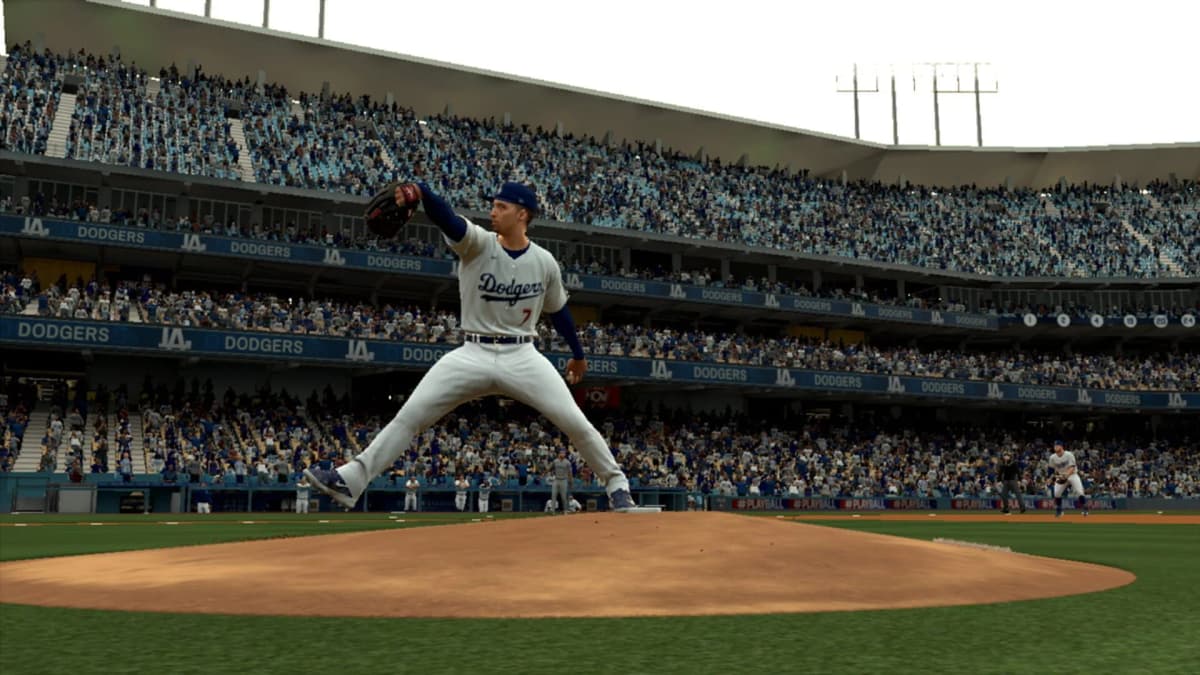
Road to The Show in MLB The Show 26 is deeper, especially with the expanded Amateur Years and Road to Cooperstown path. I wasted my first career jumping between archetypes and positions. The breakthrough came when I treated it like a long RPG campaign instead of a quick season.
1. Pick a Clear Archetype and Stick With It
At creation, decide how you want your plaque in Cooperstown to read:
- Power Corner Bat (1B/3B/LF): prioritize power, discipline, and arm.
- Middle Infield Wizard (2B/SS): contact, fielding, reaction, and speed.
- Ace Pitcher: focus on 3–4 strong pitches; don’t spread pitch types too thin early.
Don’t make my mistake of switching archetypes every time I hit a slump. Commit for at least one full Amateur/early pro season so your perk and attribute growth snowball.
2. Maximize Amateur Years and College Recruiting
The expanded Amateur Years and extra colleges are where you can supercharge your draft stock and perks:
- Set specific recruiting goals – e.g., chase a “development heavy” school if you want faster attribute gains, or a “big exposure” school if you’re chasing draft position.
- During the high school and NCAA Men’s College World Series runs, aim for quality at-bats, not just stats: walk totals and hard contact seem to boost draft stock more than empty home runs.
- Don’t sim these early chapters. I play every appearance until I reach the pros; this is where you’re building your foundation.
The difference between a mid-round and top-round pick doesn’t just feel cosmetic – in my saves, top picks hit the majors 1–2 seasons faster with better initial roles.
3. Perks, Position Changes, and Smart Simulation
This is where RTTS turns into a real RPG.
- Perk Tracking: in the RTTS menus, always check which actions unlock or upgrade perks. If a power perk wants “X extra-base hits in Y games,” I literally game-plan to pull everything in hitter-friendly parks.
- Position Requests: if you’re blocked by an All-Star at your position, talk to your coach and request a position change. I moved from 3B to 1B in one save and went from platoon to everyday starter almost immediately.
- Trade Requests: if your organization is stacked at your spot, talk to your agent and request a trade. I had to do this when my RTTS shortstop sat behind a young stud; moving to a rebuilding team got me everyday reps.
- Sim When You’re Hot: this is underrated. When I built a strong hot streak (multi-hit games, homers), I’d sim a stretch of games. Because the sim uses your recent form, those stretches often outperformed my actual OVR and saved me hours.
Just don’t sim while slumping. I tried it once and watched my season stats crater because the sim leaned into my cold streak.
Diamond Dynasty: Efficient Progression, Red Diamonds, and Bullpen Management
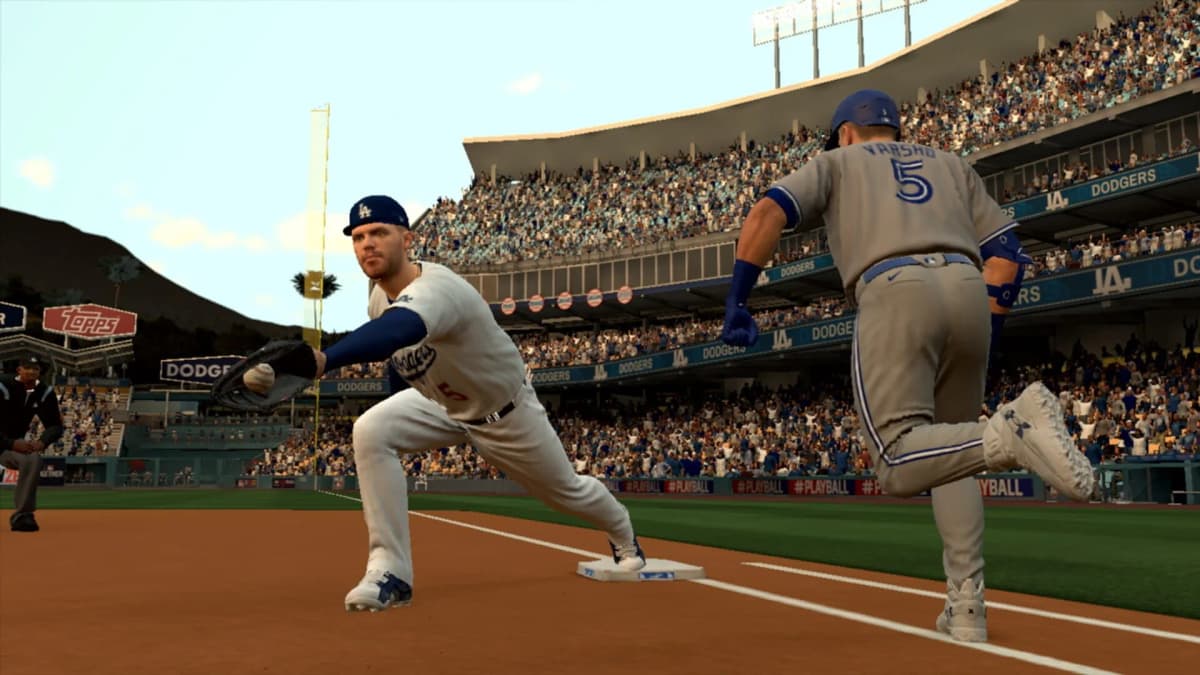
Diamond Dynasty can be a time sink if you just rip packs and hope. Once I started treating it like a resource management game, I built a competitive squad without spending extra money.
1. Early-Game Path: Mini Seasons, Events, and WBC Content
My first night, I did the worst thing possible: jumped straight into Ranked with a bronze-heavy squad. Don’t. Instead:
- Grind Mini Seasons with your best lineup – it’s a great Parallel XP (PXP) farm and gives you consistent rewards.
- Target World Baseball Classic programs early; those cards are often very usable beyond their OVR because of juiced attributes for specific roles.
- Use Events and Weekend Classics to grab limited-time cards. I built almost my entire bullpen from early event rewards.
Once you have at least a gold-heavy squad with a few diamonds, then dip into Ranked Play more seriously.
2. Red Diamond Cards, Parallel XP, and Mods
Red Diamond rarity cards are your true endgame goals, but you don’t need them immediately. Instead, use the upgraded PXP system:
- Pick a handful of core cards you like the swing or delivery on and lock them into your lineup.
- Focus games where you can farm PXP – again, Mini Seasons is ideal.
- Apply Parallel Mods to juice weak spots (e.g., boost contact vs RHP for a power-heavy bat).
The breakthrough for me was realizing Parallel V is a long-term goal, not something you chase in a week. Just consistently using a card while doing your normal grind will level it naturally.
3. Collections and Bullpen Rotation
For collections, I stopped trying to complete the big, expensive teams first.
- Start with cheaper teams that have a single great reward. For example, a mid-market team giving you a solid catcher or reliever early is more valuable than forcing an entire star-studded roster.
- Move up to bigger collections once you’ve built a stub base through normal play.
In Ranked, fatigue carries game to game, so bullpen planning is huge:
- Carry at least 3 high-leverage relievers, 2 setup arms, and 1–2 long relievers.
- In blowouts (win or lose), avoid using your best arms. I keep one “sacrifice” long reliever for those games.
- After a marathon extra-inning game, I’ll often play a lower-stakes mode next (Mini Seasons, Conquest) to let my Ranked bullpen recover.
Once I stopped nuking my bullpen every tight game, my Ranked win rate climbed just because I had fresher arms in Game 2 and 3 of a session.
Franchise Mode: Building a Contender With the New Front Office
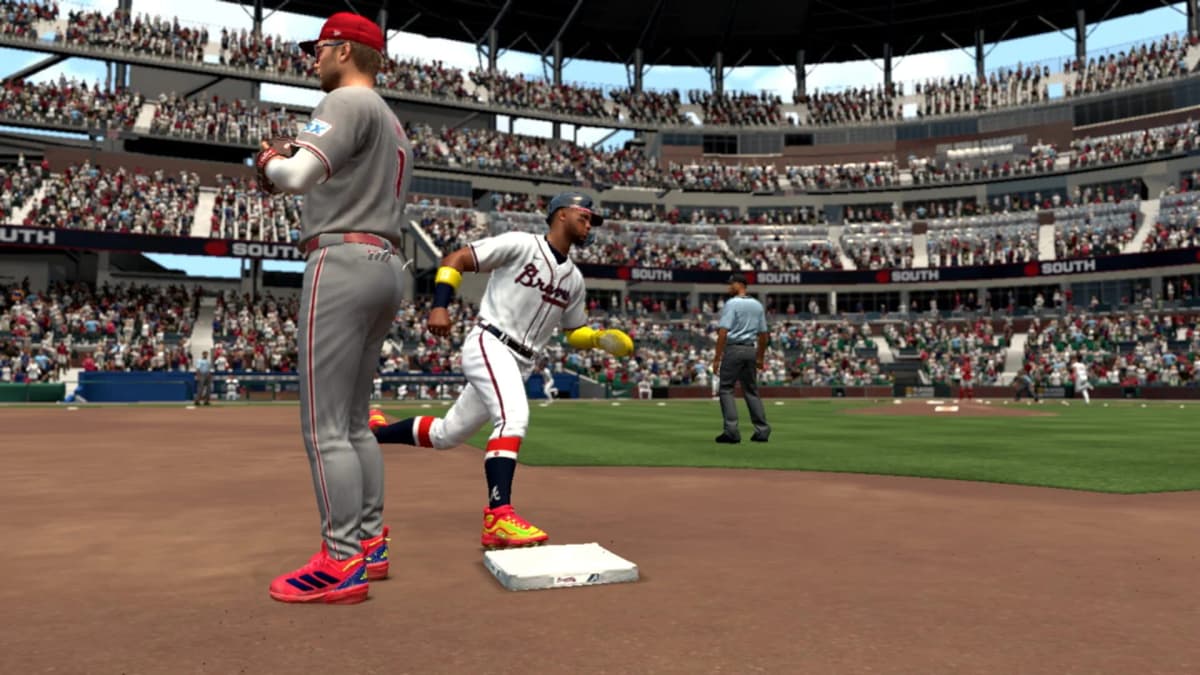
Franchise in MLB The Show 26 finally feels like running a modern club with the revamped front office, Trade HUB, and smarter CPU. My first franchise was a mess because I traded like it was fantasy baseball. Here’s what worked on my second try.
1. First-Day Setup and CPU Help
When you start a Franchise:
- Pick a team with a clear identity – rebuilding, fringe contender, or powerhouse. I recommend a fringe contender for your first run; it makes decisions meaningful but not overwhelming.
- In options, let the CPU handle scouting and finances at first if you’re new. Turn these back to manual once you’re comfortable.
- Use Custom Game Entry to play only key moments and critical series. I usually play division rivals, ace vs. ace matchups, and late-season games with playoff implications.
This keeps seasons moving without burning out, while still letting you impact big moments.
2. Long-Term Plan: Pitching, Defense, and Contracts
In my experience, pitching and defense scale way better than pure offense across long, simulated seasons.
- Identify two young starting pitchers and 2–3 elite defenders (SS/CF/C) as your core.
- Use the new front office tools to extend them early, before they explode statistically and get expensive.
- Build your lineup around that spine; you can fill in bats with short-term deals and bargain trades.
Locking up my young ace and shortstop on team-friendly deals gave me the budget to grab a veteran bat at the deadline each year without gutting the farm system.
3. Using the Trade HUB and Custom Rosters
The new Trade HUB is powerful but dangerous if you treat it like a toy.
- Always ask: “Does this trade fit my 2–3 year plan?” A flashy bat that blocks a top prospect often isn’t worth it.
- Pay attention to team needs and standings – you’ll get more realistic trade options and you won’t be able to fleece the CPU as easily.
- For a fresh challenge once you’re comfortable, use custom rosters – full rebuilds, all-rookie squads, or retro legends teams. My favorite save so far is taking an all-rookie roster and seeing if I can turn them into champions before arbitration years hit.
Franchise becomes addictive once you respect the new trade logic and treat your budget like a real GM.
Final Tips and What to Do Next
If you’re just starting MLB The Show 26 on Xbox Series X|S, here’s the order I’d follow based on what actually worked for me:
- Spend 15–20 minutes tuning Big Zone Hitting and Bear Down Pitching in practice.
- Start a Road to The Show save, commit to one archetype, and play through the full Amateur Years without simming.
- Once you’re comfortable hitting and pitching, jump into Diamond Dynasty Mini Seasons to build a core squad and farm PXP.
- When you’re ready for long-term strategy, dive into Franchise, turn on some CPU assists, and learn the new front office and Trade HUB tools.
Stick with these fundamentals-disciplined hitting zones, smart Bear Down usage, targeted RTTS goals, efficient Diamond Dynasty grinds, and pitching-first Franchise building-and you’ll feel the game open up. If I could turn my early flailing into consistent wins and steady progression, you can absolutely do the same.
FinalBoss // Gear
Level up your setup
01Best-selling Xbox Series X|S gameson Amazon→02Xbox controllerson Amazon→03Top-rated gaming headsetson Amazon→04Discounted game keyson Kinguin→Affiliate links · As an Amazon Associate, FinalBoss earns from qualifying purchases.
Want to Level Up Your Gaming?
Get access to exclusive strategies, hidden tips, and pro-level insights that we don't share publicly.
Ultimate Guide Strategy Guide + Weekly Pro Tips