
Modern Warfare 4 looks less like a routine annual content drop and more like a corrective patch for the shape Call of Duty has drifted into. The headline items are easy enough to list: a Korea-set campaign, a larger DMZ, overhauled movement, cleaner multiplayer maps. The more important read is underneath that package. Infinity Ward is signaling that the next fight is not over scale or spectacle. It is over legibility, handling, and trust – three things the series has been quietly burning through for years.
That matters more than any one feature bullet. Call of Duty does not usually struggle to sell a setting, a celebrity operator, or a big trailer. It struggles when players start feeling that movement is over-tuned, maps are cluttered, gunfights are inconsistent, and every mode is pushing in a slightly different design direction. The official reveal language for MW4 leans hard on “fluid, more responsive” movement across modes, and that choice of emphasis is telling. This is not just a new campaign announcement. It is an admission that the fundamentals needed work.
Table of Contents (5)
Infinity Ward is selling repair work, not reinvention
The easiest bad read of MW4 is that it is “more Modern Warfare” with a new war zone and a fresh round of operator drama. That is technically true and not very useful. The reveal material points instead to a studio trying to reassert authorship over Call of Duty’s core feel. Reporting around the announcement repeatedly frames this as a “vision-driven” Infinity Ward project, and the details line up with that pitch: unrestricted fluid movement in multiplayer, better map readability, a more consistent Create-a-Class flow, and a weapon-first tuning philosophy.
That last point is where the reveal gets interesting. Background coverage has described a “Ballistic Authority” approach that reduces randomness in gunfights, with the obvious target being the kind of mushy combat feedback players tend to notice even when marketing does not mention it directly. If Infinity Ward is serious about making aiming, recoil, and hit behavior feel cleaner and more predictable, that is more consequential than adding yet another attachment spreadsheet. Call of Duty has spent enough years layering systems on top of systems that simple clarity now counts as innovation.
Historically, this is one of the franchise’s recurring problems. Every few cycles, Call of Duty rediscovers that players value readability more than feature density. Then the series drifts again into visual noise, overloaded progression, and design choices that make every match feel slightly less knowable. MW4’s reveal reads like a studio that knows it has to pull that back before selling anything bigger.
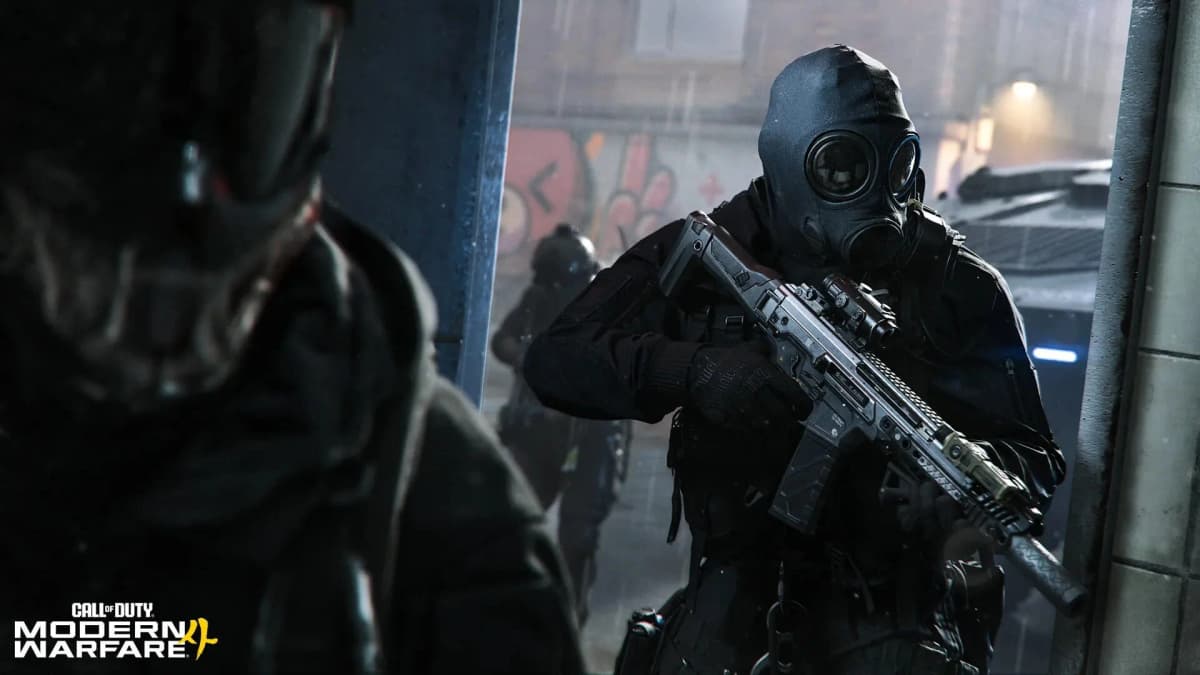
The Korea campaign gives the series a setting with actual pressure
The campaign is being positioned around conflict on the Korean Peninsula, with South Korean soldiers, North Korean forces, and Captain Price tied into the story framework. Official material confirms the Korea setting, while secondary coverage fills in details about Private Park and a darker, more unstable Price. Some of those finer story specifics will need to wait for Activision to show more, but the broad direction is clear enough: Infinity Ward wants a theater that feels more immediate than the franchise’s usual generic globe-trotting crisis map.
That is probably the smartest creative choice in the whole reveal. Modern Warfare campaigns tend to work when they narrow the emotional frame instead of chasing bigger explosions. A Korean Peninsula invasion gives the studio a built-in sense of escalation, proximity, and military specificity. It is a setting where terrain, politics, and civilian consequence can do some of the dramatic work for them – if they let it. The risk, obviously, is that Call of Duty has a long habit of treating geopolitics as expensive wallpaper. A serious setting means very little if the script still reduces everything to cinematic corridor tourism and one-liners from familiar faces.
The uncomfortable question here is simple: is Korea a meaningful setting choice, or just a fresh coat of paint on the same Price-centric formula? If the answer is the latter, then the campaign will be remembered mostly for trailer composition. If Infinity Ward actually commits to Park and the local perspective rather than using it as a brief stop on the road back to franchise mascots, then MW4 may have a campaign with more weight than this series usually allows itself.
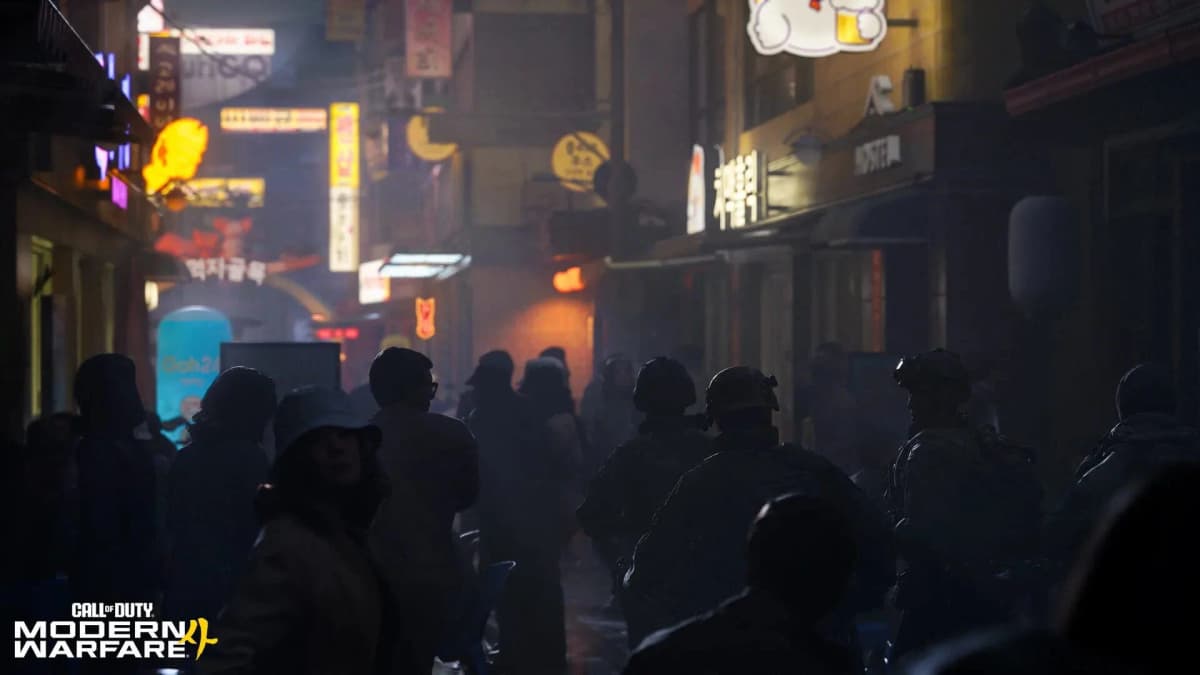
Bigger DMZ only matters if Infinity Ward knows why DMZ stalled
DMZ returning with a larger playspace is the kind of feature that sounds impressive in a reveal and means almost nothing on its own. Extraction shooters do not live or die on square mileage. They live or die on tension, economy, pacing, and the quality of the reasons players have to stay in the ecosystem after the novelty wears off. “Bigger” is a scale claim. It is not yet a design solution.
That is where some caution is warranted. DMZ had genuine potential because it offered a more flexible, lower-sweat alternative to Warzone’s all-or-nothing structure. It also struggled with long-term identity. Was it a tactical extraction sandbox, a casual objective mode, a progression grinder, or a sidecar for battle pass engagement? The answer was often “all of the above,” which is another way of saying it lacked a hard center.
MW4 appears to be addressing that partly through map experimentation, including a dynamic “Killbox” or “Kill Block”-style multiplayer arena referenced in preview coverage. If that modular design thinking carries into DMZ, there is a real chance Infinity Ward is trying to make spaces that evolve tactically instead of just expanding outward. That would matter. A larger DMZ with better encounter design, cleaner objectives, and stronger extraction incentives could finally turn the mode from an interesting side project into a pillar. A larger DMZ that is merely fuller of stuff will not.
Clearer maps might be the most important feature in the reveal
This is the least glamorous part of the announcement and probably the one players should take most seriously. Better map readability sounds boring right up until you remember how many recent shooters – not just Call of Duty — have confused visual complexity with good level design. Players do not need more debris, more sightline clutter, or more “realistic” noise if it makes threat recognition worse. They need spaces that communicate cleanly under pressure.
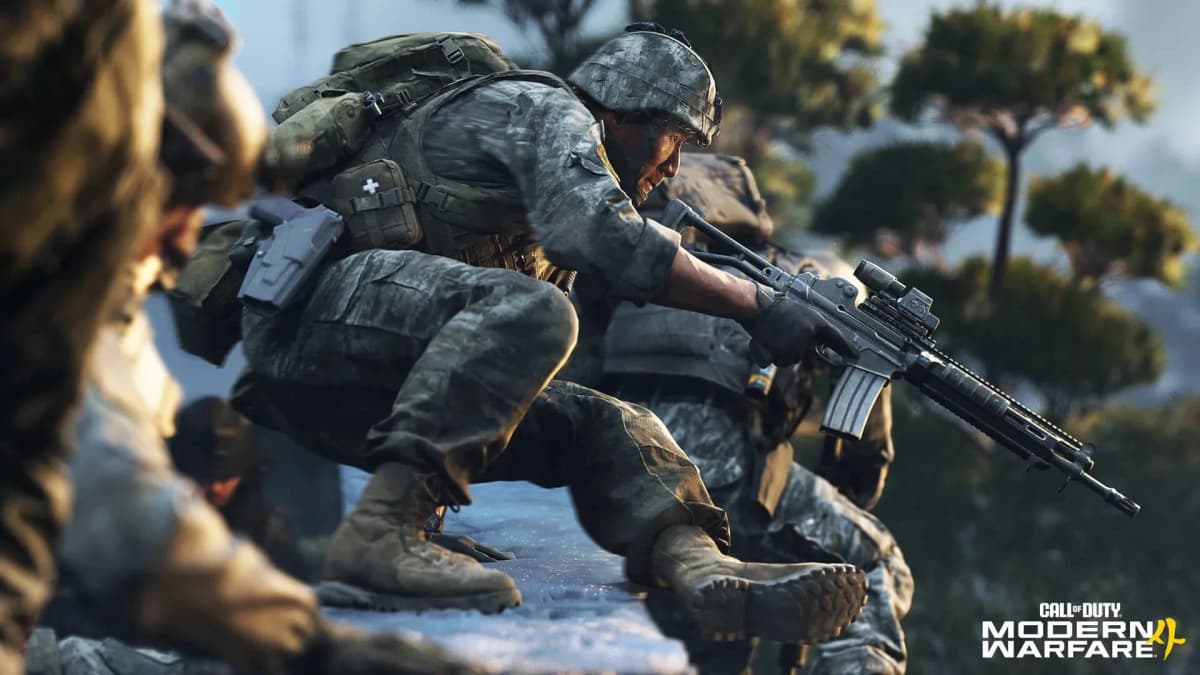
When a reveal explicitly calls out clearer maps, that is not accidental language. It suggests Infinity Ward knows players have been fighting the environments as much as each other. Combined with the movement overhaul, it points to a broader design thesis: fewer hidden frictions, faster information processing, more reliable combat outcomes. In plain terms, MW4 may be trying to make Call of Duty feel fairer. That is a bigger deal than any cinematic trailer beat.
There is also a business reason for this emphasis. Call of Duty has become so broad — campaign, competitive multiplayer, battle royale, extraction, cosmetics, ranked, cross-platform optimization — that cohesion itself is now a premium feature. If MW4 can make those pieces feel built from the same logic instead of assembled by committee, that will do more for retention than another stack of launch content promises.
What to watch before release
- Whether Activision shows uncut multiplayer footage that proves the movement changes are readable, not just faster.
- How Infinity Ward explains DMZ’s long-term progression loop. A bigger map is not enough.
- Whether campaign marketing keeps Park and the Korean setting central, or drifts back into Price worship.
- How the studio demonstrates map clarity in practice. This should be visible immediately in side-by-side footage, not buried in patch-note language.
- Whether the no-nonsense launch tone survives contact with the live-service economy after release.
MW4’s reveal is notable because it is less interested in selling a revolution than in fixing systems that had become messy, noisy, or inconsistent. That is the correct instinct. The next useful proof is not another cinematic trailer. It is a clean gameplay demonstration showing that Infinity Ward can still make Call of Duty feel sharp on purpose.
FinalBoss // Gear
Level up your setup
01Top-rated gaming headsetson Amazon→02High-refresh gaming monitorson Amazon→03Gaming chairson Amazon→04Discounted game keyson Kinguin→
Affiliate links · As an Amazon Associate, FinalBoss earns from qualifying purchases.
Want to Level Up Your Gaming?
Get access to exclusive strategies, hidden tips, and pro-level insights that we don't share publicly.
Ultimate Gaming Strategy Guide + Weekly Pro Tips