
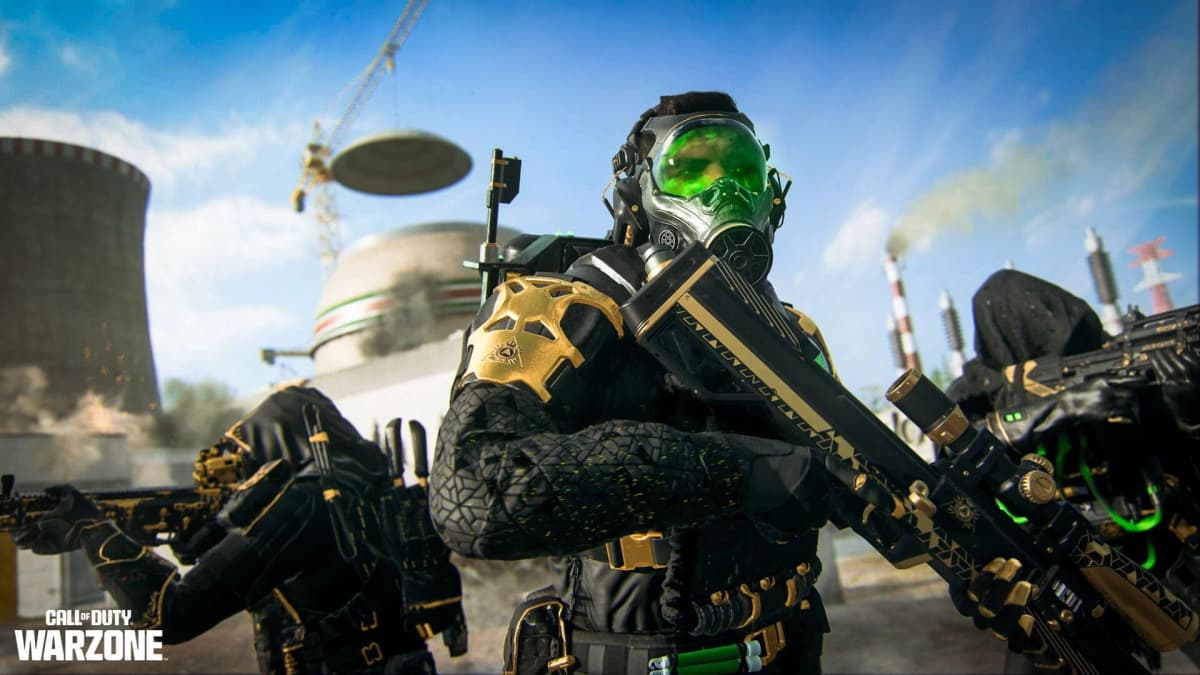
DMZ is back in Call of Duty: Modern Warfare 4, and the important part is not the trailer’s gunfire or the October 23, 2026 launch date. It’s that Activision and Infinity Ward are finally treating extraction like a pillar instead of a side hustle. After the half-committed, eventually abandoned DMZ experiment in Modern Warfare 2, this new version is being sold as a full part of the package, with first gameplay showing a more deliberate loop built around squad infil, high-value targets, dynamic hazards, and exfil under pressure. That is a much bigger deal than “DMZ returns.” It means Call of Duty is taking another run at a genre it flirted with, then failed to properly support.
The official first-look trailer and reveal materials frame DMZ as the “definitive Call of Duty extraction shooter experience,” launching alongside Modern Warfare 4 on October 23. PR language is always inflated, obviously, but this time the structure underneath it looks more serious. Players deploy as off-the-books assets into a volatile combat zone to recover advanced military tech, complete objectives, hunt bounties, and extract while under fire. The trailer’s mall raid, rooftop exfil, green-smoke timer pressure, and squad comms all point to a mode that wants clearer success conditions than old DMZ ever consistently had.
Table of Contents (5)
This looks less like a mode revival and more like a design correction
Old DMZ had a real audience because it hit a sweet spot between Warzone, co-op, and extraction tension. It also had a familiar Call of Duty problem: a good idea surrounded by uncertain long-term commitment. Infinity Ward called it a beta, kept tuning it, let players invest time into learning its rhythms, then effectively let it die on the vine when the broader annual-machine priorities moved on. Gamers noticed. People don’t love being asked to commit to a live-service mode with an expiration date stamped in invisible ink.
That is why the big takeaway from the new DMZ is not any single feature. It’s the fact that Infinity Ward appears to be fixing the original mode’s identity crisis. Based on the reveal details, this version adds the kind of scaffolding extraction shooters need if they want players to stick around: persistent inventory, Forward Operating Bases, more explicit mission structure, a stronger narrative wrapper, and a clearer economy that reportedly includes on-the-fly 3D printing. That all suggests the studio finally understands the old truth of the genre: tension alone is not progression. Players need reasons to re-enter the map besides “maybe this run gets wild.”
The smart change is not realism, it’s clarity
The first gameplay beats doing the rounds are pretty straightforward: infiltrate with a squad, search a dark shopping mall, recover black files tied to bounty intel, locate a high-value target, survive escalating hostiles, then push for extraction while the entire zone starts getting louder and nastier. That’s good. Not because it is revolutionary, but because it is legible.
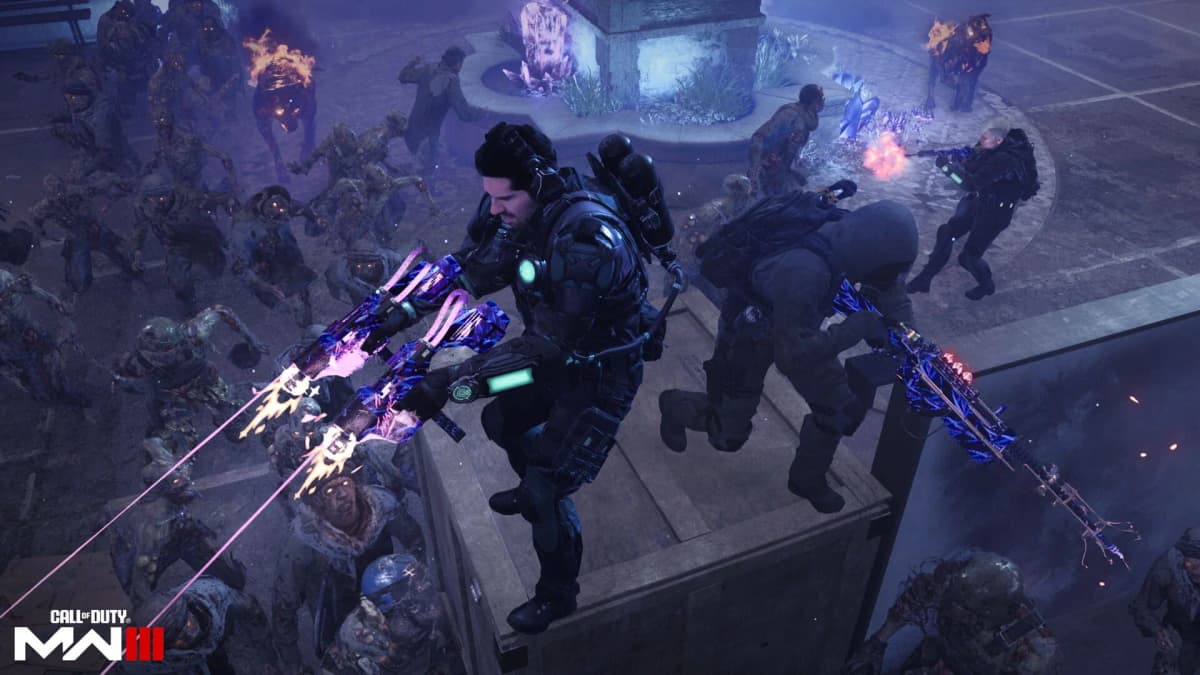
Extraction games live or die on whether players understand the risk curve. Too opaque, and every failure feels cheap. Too predictable, and the mode becomes busywork with a helicopter at the end. The new DMZ seems to be aiming for a middle ground: dynamic objectives, hazard zones, changing weather, AI that reacts more aggressively, and pressure systems that ramp based on what you do. Some previews compare that pressure to a wanted-level system, with the world effectively noticing when you make too much noise or stack too much value. That’s exactly the kind of mechanic CoD can make readable in a way more hardcore extraction games often don’t.
And that matters, because Call of Duty was never going to win this space by out-hardcoring Escape from Tarkov. It wins by translating extraction into something faster, cleaner, and less miserable to learn. If this DMZ has better mission readability, cleaner onboarding, and stronger mid-match incentives, it has a real shot at becoming the version of extraction that the mass market will actually play for more than two weekends.
The uncomfortable question is whether Activision will support it this time
This is the part the reveal cannot answer, and it is the part that matters most. The original DMZ did not fail because extraction was a bad fit for Call of Duty. It stumbled because Activision never fully behaved like it believed in the mode for the long haul. Call of Duty has a habit of introducing something promising, watching it generate buzz, then shoving attention back toward the safer money printers once the yearly cycle tightens. Zombies survives because it has legacy status. Warzone survives because it is Warzone. DMZ has never had that institutional protection.
So yes, the rebuilt structure sounds better. The Korean map setting, the stronger story integration, the expanded points of interest, the progression hub, the bounty systems, the weather, the risk/reward extraction loop – all of that sounds like a real step up. But the question I’d put to the PR team is simple: how long is the runway? One year of meaningful updates is not enough for a mode like this, especially when players got burned once already. If the plan is “launch big, support modestly, then pivot,” people will sniff that out fast.
There is another issue sitting just under the marketing copy: friction. The genre needs stakes, but Call of Duty players also have a low tolerance for systems that feel like admin. Forward bases and persistent inventory are great if they create goals. They are not great if they turn every session into menu homework. The new DMZ needs enough meta-progression to make losses matter, but not so much clutter that it stops feeling like CoD. That balancing act is harder than trailers make it look.
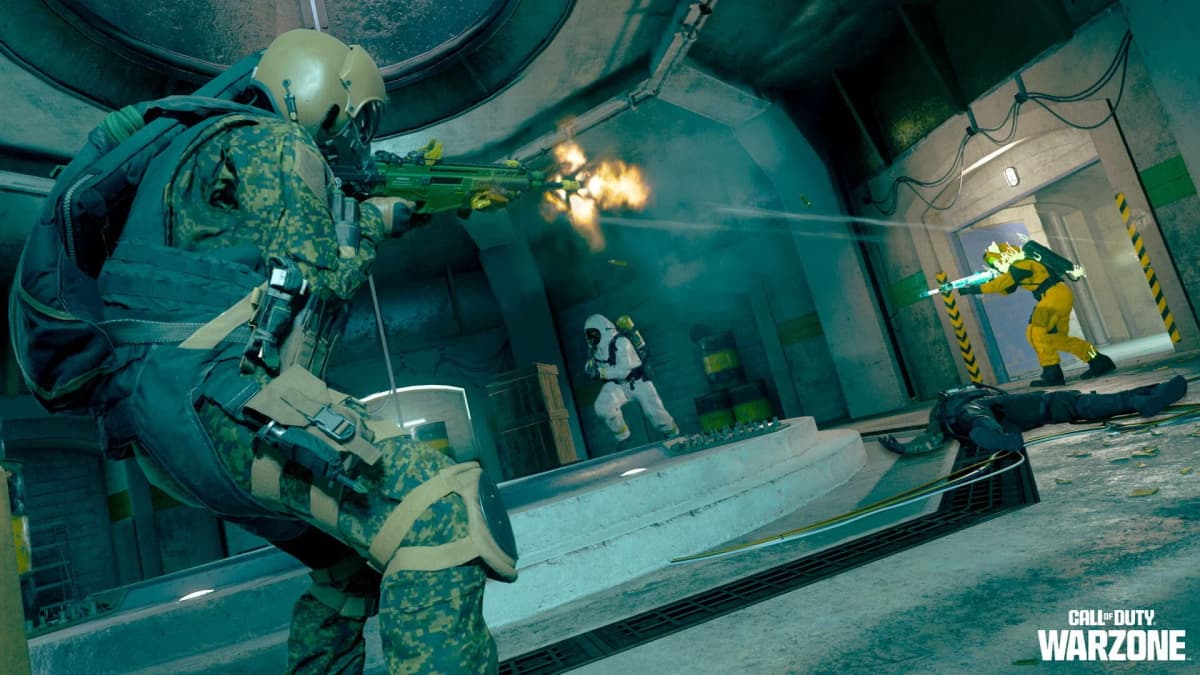
Why this matters beyond Modern Warfare 4
Extraction shooters have spent years stuck between cult obsession and mainstream hesitation. Plenty of studios like the fantasy of the genre – high tension, emergent stories, loot stakes – but very few have cracked how to make it approachable without sanding off the soul. Call of Duty is one of the only franchises big enough to brute-force that bridge if it commits. If DMZ works as a true third lane beside campaign and traditional multiplayer, Activision suddenly has something more durable than a one-off feature. It has another recurring ecosystem.
That also explains the heavier narrative framing. Calling players “off-the-books assets” and tying DMZ more directly into the campaign world is not just flavor text. It is a way of turning extractions into authored Call of Duty moments rather than disconnected scavenger runs. That is smart. CoD is at its best when it gives chaos a sense of purpose. Players do not need Tarkov spreadsheets; they need a reason to care about the firefight they’re walking into.
What to watch before October 23
The next useful reveals are not cinematic. Watch for four things.
- Whether Activision confirms a real post-launch roadmap for DMZ instead of vague seasonal promises.
- How punishing the loss model is. If death wipes too much, mainstream CoD players bounce. If it wipes too little, extraction tension evaporates.
- How PvP is tuned against AI and objectives. Too much player griefing and the mode turns into messy Warzone with backpacks.
- Whether squad play is mandatory in practice. The trailer sells teamwork hard, but DMZ needs solo and duo viability if it wants a broad player base.
If Infinity Ward can answer those points cleanly, DMZ has a chance to be more than a nostalgia play for people who liked the old mode. It could become the thing the original version always hinted at: Call of Duty’s best idea that wasn’t named Warzone.
The practical read right now is simple. Be interested, not obedient. The first gameplay suggests DMZ is finally being built like a real product, with stronger systems and a clearer loop. That is promising. But after the way the first version was handled, the launch date is not the only date that matters. The weeks after October 23 will tell you whether Activision is serious — and this mode has earned the right to be judged on support, not trailers.
FinalBoss // Gear
Level up your setup
01Top-rated gaming headsetson Amazon→02High-refresh gaming monitorson Amazon→03Gaming chairson Amazon→04Discounted game keyson Kinguin→
Affiliate links · As an Amazon Associate, FinalBoss earns from qualifying purchases.
Want to Level Up Your Gaming?
Get access to exclusive strategies, hidden tips, and pro-level insights that we don't share publicly.
Ultimate Gaming Strategy Guide + Weekly Pro Tips