

Modern Warfare 4’s beta begins August 21 with Open and Classic matchmaking options, giving players a rare chance to compare two lobby philosophies instead of arguing about an invisible algorithm after every bad loss. The catch: neither option removes skill consideration entirely, and Infinity Ward still has not published the numbers that would explain how either queue works.
That makes this less of an SBMM funeral and more of a proper field test. Open is built for wider skill mixes and more volatile results; Classic is framed around the older Call of Duty public-match feel. If players want this debate settled with something stronger than YouTube thumbnails declaring SBMM “gone,” the beta is where they need to pay attention to connection quality, lobby balance, and how often a session becomes a parade of quits.
Table of Contents (4)
Open should feel messier — and that is the point
Open matchmaking is the less restrictive option. It reduces the role of skill in building a lobby, creating a broader mix of players and less predictable match outcomes. Some rounds should become stomps. Others should turn into the kind of improvised, high-score nonsense older Call of Duty lobbies regularly produced.
That unpredictability is exactly why part of the community wants it back. Modern matchmaking has spent years trying to keep every match close enough that players are always pushed toward their personal ceiling. The outcome can be exhausting: every casual session becomes a ranked-mode audition, without the visible rank or rewards that would at least justify the sweat.
But “less skill-based” is not the same as “better.” A looser queue can hand new or returning players repeated beatings, particularly once squads start farming a random collection of solo players. If Open produces faster matchmaking and cleaner connections while preserving enough competitive integrity that people finish matches, it has a case. If it mostly creates blowouts and early exits, nostalgia will have done its usual trick of remembering the good games and deleting the miserable ones.

Classic is where the messaging gets slippery
Classic matchmaking is positioned as the older-style baseline, with skill minimally considered rather than treated as the dominant filter. That language resembles the Black Ops 7 beta’s Open Moshpit experiment, which makes the naming worth watching closely. Players are being offered two labels, but Activision has not disclosed the exact weighting for skill, connection, party size, region, recent performance, or any of the other variables that shape a Call of Duty lobby.
Creator-circulated figures claiming precise skill and connection percentages are not official matchmaking documentation. Treat them accordingly. The only useful standard is lived experience across enough games: ping, wait times, scorelines, repeat opponents, quit rates, and whether a decent player can have a relaxed night without being thrown into the Call of Duty League every other match.
The uncomfortable observation is that both modes can be described as “minimally” skill-based while feeling materially different in practice. That is why the terminology alone will not calm the SBMM backlash. Players have heard carefully engineered matchmaking language before. They want to know what happens after a strong game, a bad game, or five games with friends of wildly different ability.
The beta is measuring retention, not merely player sentiment
Infinity Ward is using the split to compare match quality, retention, and perceived fun. “Fun” may sound like the softest metric imaginable, but it is the one that matters most here. A balanced 150-149 loss can be technically fair and still feel like work. A lopsided win can be mindless. The target is a lobby cadence that gives players variety without making them feel like cannon fodder.
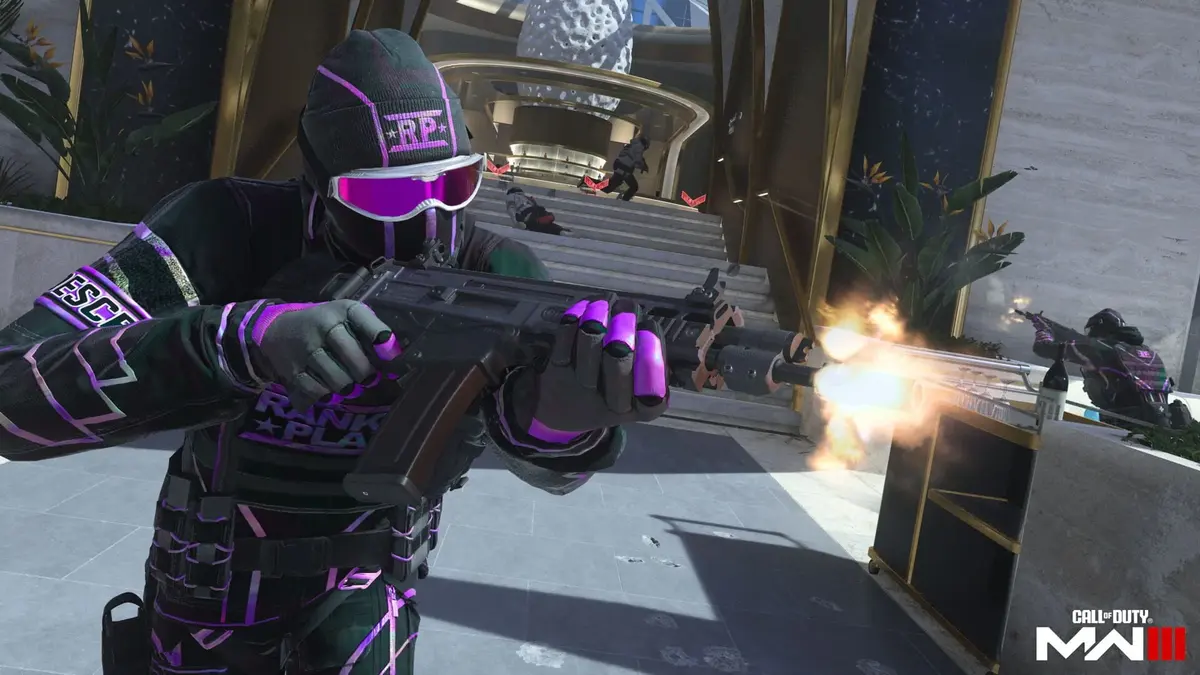
This carries forward the matchmaking experiment used around Black Ops 7 rather than locking Modern Warfare 4 into one philosophy before launch. That is a smarter move than pretending a single global setting can serve solo casuals, high-skill grinders, mixed-skill friend groups, and players on weaker regional connections equally well. Call of Duty is too large and too varied for that fiction.
The real question is whether the publisher shares any useful outcome data after the beta. A statement that one playlist had more “engagement” will prove nothing. Quit-rate differences, average session length, connection performance, and satisfaction results would reveal whether reduced skill filtering genuinely improves the experience or simply makes stronger players happier for a few weeks.
What to test before picking a side
- Play comparable modes in both queues, ideally at similar times of day.
- Track ping and matchmaking time rather than judging only the scoreboard.
- Note how frequently players quit before a match ends, especially after one-sided starts.
- Try each mode solo and with friends of different skill levels; party matchmaking is where many systems quietly fall apart.
- Judge a full session, not one spectacular stomp or one frustrating loss.
For the August 21 beta, Open is the queue to try first if modern Call of Duty’s tightly managed lobbies have worn you down. Classic deserves equal scrutiny because its promise rests on a familiar label rather than a published formula. The meaningful follow-up is whether Infinity Ward identifies a launch default, keeps both options, and provides hard evidence that one approach produces fewer bad exits and better sessions.
FinalBoss // Gear
Level up your setup
01Retro consoleson Amazon→028BitDo controllerson Amazon→03Capture cards (Elgato & more)on Amazon→04Discounted game keyson Kinguin→Affiliate links · As an Amazon Associate, FinalBoss earns from qualifying purchases.
Want to Level Up Your Gaming?
Get access to exclusive strategies, hidden tips, and pro-level insights that we don't share publicly.
Ultimate Gaming Strategy Guide + Weekly Pro Tips