
Table of Contents (6)
Why this hire matters more than the headline suggests
This caught my attention because “head of Minecraft Vanilla” sounds like a guardianship role for the unmodded game-yet Mojang just hired Katie Scott, an executive whose resume is steeped in live‑service monetization. For players who value vanilla Minecraft as a pure sandbox, that combo is understandably alarming.
- Key takeaways:
- Katie Scott starts as head of Minecraft Vanilla in February; her background is heavy on monetization at Ubisoft and other studios.
- Fans fear microtransactions and live‑service mechanics could leak into vanilla Minecraft, though details of her remit are unclear.
- Mojang already runs several monetized services for Minecraft; hiring a monetization‑savvy exec could simply be about managing existing offerings-or it could signal future expansion.
Why players are worried
Minecraft’s “vanilla” label means different things to different players, but for many it means: creative freedom, a stable core experience, and a refuge from the microtransaction treadmill. So when someone with a LinkedIn line like “live service strategies and ambitious retention and monetization” lands on that throne, alarm bells ring.
Scott’s career includes a senior executive role at Ubisoft-where monetization models in Assassin’s Creed and Rainbow Six are well‑known—and stints at The Coalition and EA. Some players equate those names with aggressive monetization (season passes, cosmetic stores, battle passes, surprise mechanics). The fear: those systems could cross over into the unmodded game.

What Mojang already monetizes — context matters
- Minecraft Marketplace: paid worlds, skins, mods and texture packs for Bedrock.
- Realms: subscription servers for players who want hosted multiplayer.
- Cosmetic packs and character creator items sold across platforms.
- Third‑party products and merchandise licensing—a huge revenue stream outside the game.
Put bluntly: Minecraft is not a moneyless utopia. Mojang has teams managing these services already, and the company needs senior staff to steward them. That’s likely part of the rationale for hiring someone with commercial experience. Where the community’s skepticism becomes valid is the lack of clarity about Katie Scott’s exact remit: “capture that potential” is vague and leaves room for interpretation.
What this hire could actually mean
There are realistic, non‑apocalyptic explanations. Mojang could want an executive who can coordinate monetized products without touching core gameplay—improving Marketplace curation, aligning Realms subscriptions, or building safer monetization that respects the game’s culture. Those are sensible moves if handled transparently.

But the other possibility is worth watching: bringing live‑service expertise into a franchise that thrives on open‑ended play can reshape design priorities. Even subtle shifts—introducing a seasonal cosmetic system tied to the vanilla client, or gating curated content behind purchases—would change the player experience. Players don’t need to imagine loot boxes to worry; recurring battle passes and cosmetic pushes are enough to alter the game’s feel.
The gamer perspective and what to watch for
Longtime Minecraft players learn fast when business logic meets game design. My take: be cautious, not hysterical. Demand clarity. Mojang should specify what “head of Vanilla” entails and pledge that core survival, redstone and building systems won’t be monetized. If they can articulate a plan that separates monetized storefronts from the unmodded client, the nervousness dies down.
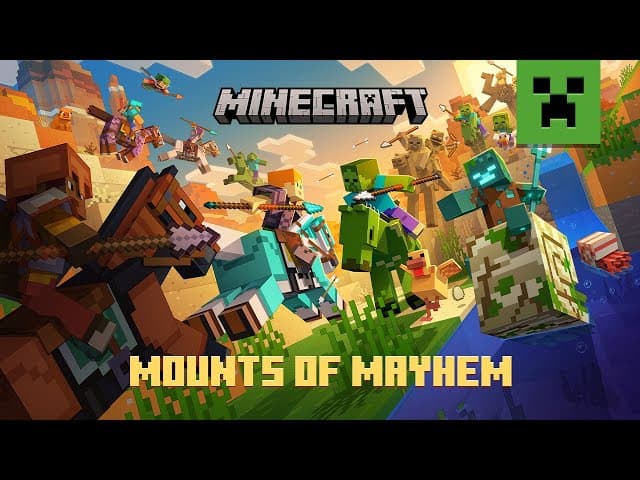
Practical signals to monitor: any changes to the client that introduce stores or direct purchase prompts in single‑player, the introduction of recurring paid seasons tied to progression, or a reworked Marketplace experience that pushes paid content into players’ faces. Conversely, hiring focused on infrastructure, moderation, or community tools would be less alarming.
TL;DR
Mojang’s appointment of Katie Scott for Minecraft Vanilla is a legitimate red‑flag for players who prize an uncommercialized sandbox—but it’s not an automatic death knell. Minecraft is already monetized in several ways; this hire could be about managing that ecosystem or about expanding it. The next step is simple: Mojang should tell us what “Vanilla” will mean under Scott’s leadership, and players should watch for design changes that prioritize spending over play.
FinalBoss // Gear
Level up your setup
01Top-rated gaming headsetson Amazon→02High-refresh gaming monitorson Amazon→03Gaming chairson Amazon→04Discounted game keyson Kinguin→Affiliate links · As an Amazon Associate, FinalBoss earns from qualifying purchases.
Want to Level Up Your Gaming?
Get access to exclusive strategies, hidden tips, and pro-level insights that we don't share publicly.
Ultimate Gaming Strategy Guide + Weekly Pro Tips