
This caught my attention because it takes a gloriously goofy premise – piloting a massive post‑war drilling rig – and turns the whole thing inward, into something quietly, patiently unnerving. Mole doesn’t scream for scares; it buries them in the small, satisfying motions of a machine and the strange sounds that pour out of its speakers.
Mole: When Digging a Huge Hole Becomes an Emotional Horror Exercise
- Demo live during Steam Next Fest; full game targeted for Q2 2026.
- PS2‑era visuals, tactile controls, and layered, unsettling audio create slow‑burn dread.
- Gameplay mixes light simulation with horror storytelling; an early grave sequence sets the tone fast.
- Fans of Mouthwashing, Threshold, and Arctic Eggs should put this on their radars.
{{INFO_TABLE_START}}
Publisher|Independent developer (TBA)
Release Date|Q2 2026 (demo: Steam Next Fest)
Category|Indie horror / tactile simulation
Platform|PC (Steam demo)
{{INFO_TABLE_END}}
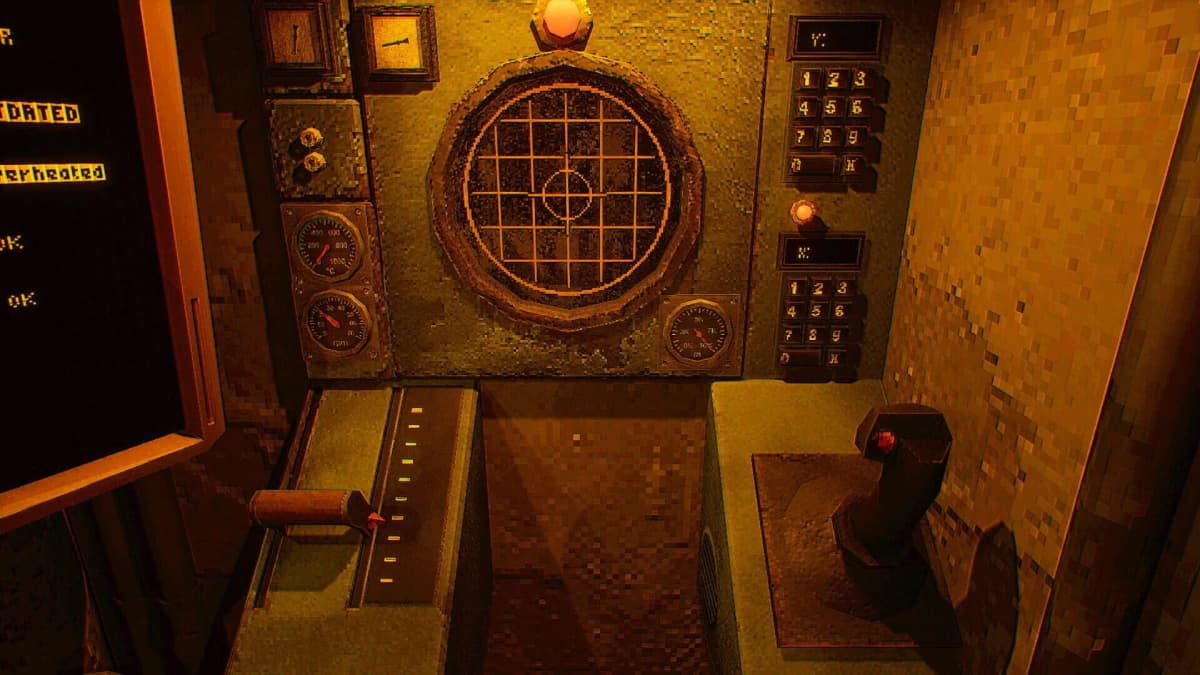
Mole’s demo is brief but confidently composed. You step into the cockpit of an oversized boring machine and immediately begin doing the small, physical things that keep it alive – turning cranks, toggling levers, routing power. The game leans into tactile feedback: every interaction has a noisy, greasy sound that tells you “this is how you stay alive,” and that mechanical intimacy is the backbone of its unease.
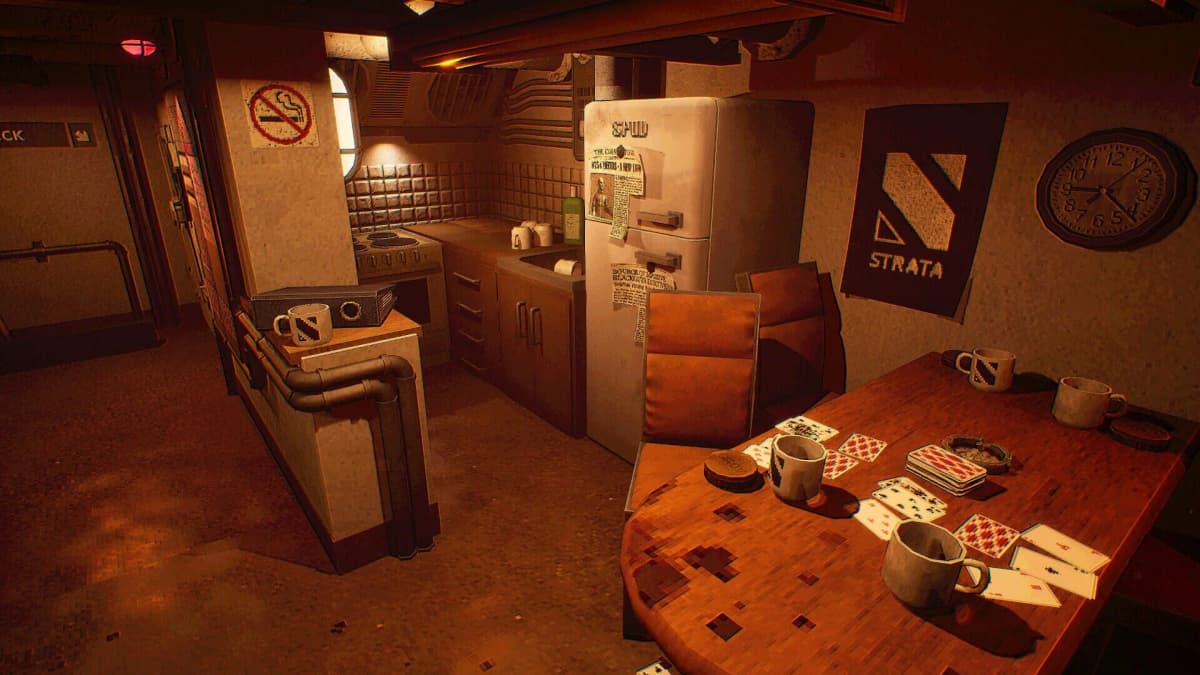
Graphically, Mole wears its influences proudly. The PS2‑era look — jagged edges, low‑res textures, and a grainy palette — is not nostalgia for nostalgia’s sake. It’s a deliberate aesthetic that makes environments feel half‑remembered and everyone in them provisional. That style amplifies the uncanny feeling of old equipment creaking and voices bleeding through static: audio layers overlap, and you’re never sure whether what you hear are memories, warnings, or your own brain filling gaps.
The demo wastes no time establishing stakes. Within the first two minutes you’re asked to dig — but Mole makes that ordinary act of excavation emotionally fraught. The first grave you see and the choice that follows are stark and immediate; it’s a compact scene that does a lot of work emotionally, and it telegraphs how the full game might keep folding player agency into moral and metaphysical questions.
Mechanically, this is not a precision sim. Controls are intentionally grotty — they creak and resist. That design choice could frustrate players who want clean, ergonomic inputs, but it’s an artistic one: the resistance makes every small success feel earned and heightens vulnerability. The sound design is where Mole really claws at you: a foreign voice that sounds like an LLM run through a modem (an unscientific but effective comparison) arrives early and stays ambiguous through layered echoes and overlapping tracks.

That intentional ambiguity is both Mole’s strength and its risk. On the plus side, the game refuses to hold your hand; it invites interpretation and sustained curiosity. On the downside, players who prefer explicit narrative signposts may feel mildly adrift. Still, if you enjoy piecing things together from environmental signs and half‑heard lines, Mole promises rich returns.
What this means for players
- Indie horror fans: The demo is a strong teaser. If you liked Mouthwashing’s intimate dread or Threshold’s weirdness, Mole should be on your wishlist.
- Simulation fans: Expect tactile satisfaction rather than mechanical realism — Mole uses simulated controls to serve atmosphere, not accuracy.
- Those sensitive to ambiguity: The demo rewards patient players; it’s more about mood and implication than tidy answers.
My gut read is that Mole will build from these small, disciplined moments into a fuller, stranger narrative — angelic visions and reality‑bending hints pepper the trailers and demo. If the team leans into escalation without losing the tactile core, the result could be one of the more memorable indie horror experiences of 2026.
Demo is available during Steam Next Fest and the full game is aiming for Q2 2026. You can wishlist and try the demo on Steam while the festival runs.
TL;DR
Mole turns the mundane act of drilling into a slow, tactile horror. PS2‑style visuals, grubby controls, and layered audio make its demo a compact, emotionally unsettling teaser — a must‑try for fans of atmospheric indie horror aiming at Q2 2026.
FinalBoss // Gear
Level up your setup
01Top-rated gaming headsetson Amazon→02High-refresh gaming monitorson Amazon→03Gaming chairson Amazon→04Discounted game keyson Kinguin→Affiliate links · As an Amazon Associate, FinalBoss earns from qualifying purchases.