
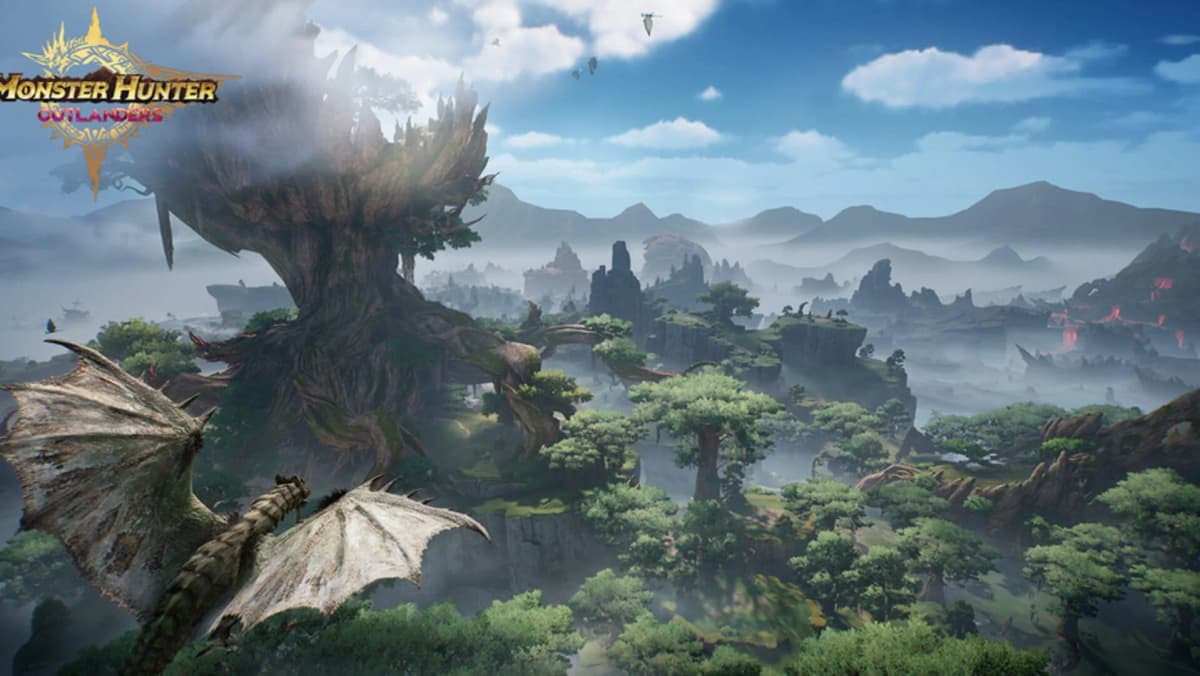
Monster Hunter Outlanders brings an original Elder Dragon, Radiant monster variants, four-player hunts, and eight launch weapons to iOS and Android on October 29. Its biggest challenge is making those familiar Monster Hunter ingredients feel good on a free-to-play touchscreen.
Monster Hunter Outlanders has the right priority: give mobile players an actual hunting game first, then give it a reason to exist beside the series’ bigger releases. The original Elder Dragon, Radiant species, four-player squads, and unusually broad weapon starter set are the parts that matter. A few returning monsters alone would never have been enough.
This checklist sticks to five distinct features that change how a hunt looks or plays in Aesoland, rather than treating every familiar face in the monster roster as a headline feature. TiMi Studio Group’s free-to-play mobile entry launches on October 29 for iOS and Android, with microtransactions included. The bigger test is still practical rather than promotional: whether touch controls feel responsive enough and whether progression stays out of the hunt’s way. The new framework itself is much easier to like.
Table of Contents (5)
1. Ruger Aidal Gives Outlanders Its Own Flagship Threat
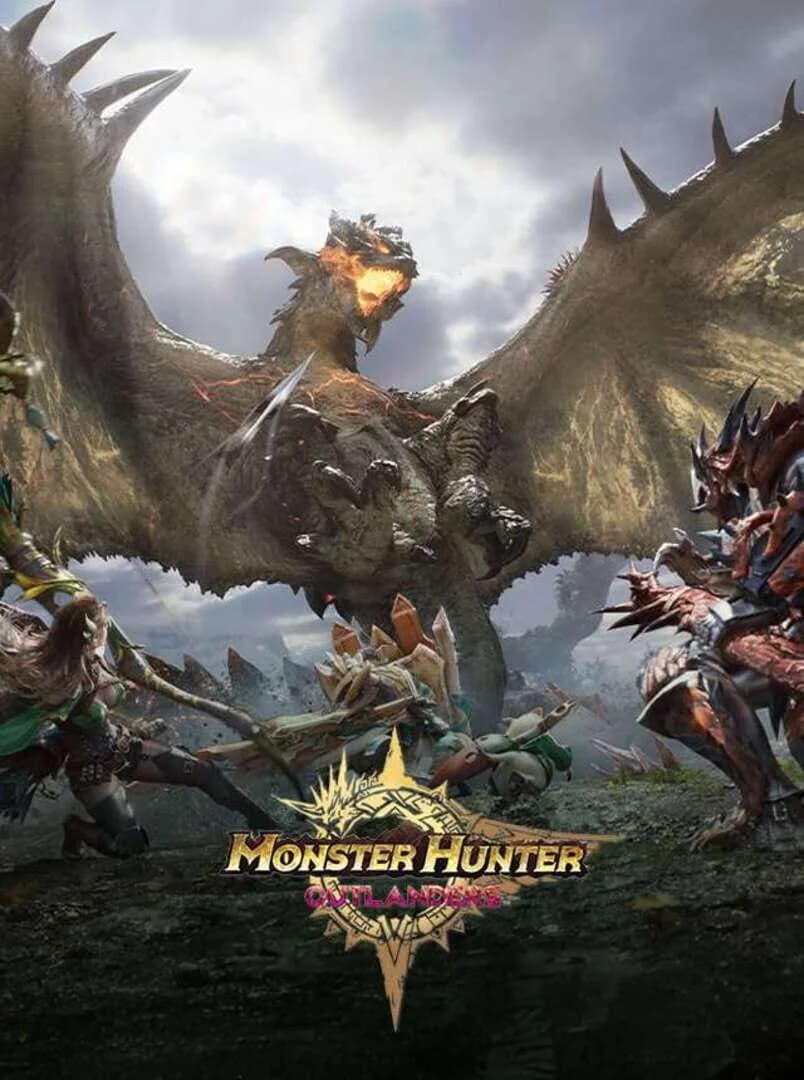
Ruger Aidal is the monster that decides whether Outlanders has an identity. The original Elder Dragon — also labeled Luga-Ealdra in some localized materials — channels golden radiance into crystal armor and weapon-like appendages. That is a much stronger pitch than a mobile greatest-hits tour.
The crystal motif matters because it is built into the fight’s visual language: Ruger Aidal absorbs radiance, changes its body, and turns that power outward. Monster Hunter flagships earn their status when their gimmick creates readable danger, escalating phases, and a reason to learn the encounter rather than simply hit the largest target available. Ruger Aidal has the raw design hook to do that.
Outlanders needs this Elder Dragon to be more than a trailer boss. If its radiance reaches the wider ecosystem in meaningful ways, it becomes the spine of Aesoland instead of a shiny endgame appointment.
2. Radiant Species Are the Real New Monster System
Radiant species are monsters altered by the radiance connected to Ruger Aidal, with changed appearances and behavior. That gives Outlanders a sensible way to remix familiar creatures without pretending Rathalos, Anjanath, or Paolumu are brand-new discoveries.
Radiant forms shown so far include Jyuratodus, Radobaan, Paolumu, Rathalos, and Anjanath. The best version of this system is the one that forces tactical adjustments: different positioning, different punish windows, and attacks that make a squad react differently than it would against the base monster. A gold-tinted coat of paint would be a waste of a premise this good.
This is the feature with the most long-term upside. Returning monsters such as Rathian, Diablos, Kushala Daora, Nergigante, Great Jagras, Legiana, Tobi-Kadachi, Pukei-Pukei, Barroth, and Jyuratodus give the game recognizable prey. Radiant species can keep that prey from becoming autopilot content.
3. Four-Player Squads Keep the Hunt Structure Intact
Outlanders supports solo play and co-op squads of up to four players. That cap is exactly right. Four hunters is the classic sweet spot for Monster Hunter: enough players for distinct jobs, enough chaos when a monster turns nasty, and still few enough bodies that positioning matters.
The game also uses original Adventurers with their own specializations and abilities. That is the mobile-specific wrinkle inside the squad system. A traditional hunter is defined chiefly by weapon choice and build; Outlanders adds character kits to the equation. That could give players a clearer team function, but those abilities still need to support the weapon mastery that makes Monster Hunter combat satisfying instead of talking over it.
Squad hunts are where Outlanders has to earn its name. A Great Sword user creating a big opening, a Lance holding pressure, and a Bow maintaining safe damage is a better foundation for co-op than inflated party sizes or disposable multiplayer gimmicks.
4. Eight Launch Weapons Cover the Important Playstyles
The launch lineup starts with seven classic weapon types — Great Sword, Long Sword, Dual Blades, Hammer, Lance, Heavy Bowgun, and Bow — plus Charge Blade, for eight total at launch. That is a serious opening spread for a mobile game, covering deliberate heavy hits, counter-focused melee, fast elemental pressure, blunt stun potential, shields, and ranged damage.
- Great Sword: huge commitments and huge punishment when a monster gives up an opening.
- Long Sword: timing-driven melee for players who want counters and clean flow.
- Dual Blades: relentless close-range aggression and mobility.
- Hammer: direct, head-focused impact damage built around knockouts.
- Lance: guarded pressure for hunters who prefer holding ground over rolling away.
- Heavy Bowgun: heavy ranged commitment with a more deliberate rhythm.
- Bow: mobile ranged play that can keep damage active while repositioning.
- Charge Blade: the mechanically demanding wild card, with its sword-and-shield and axe modes.
Charge Blade is the important inclusion. It signals that Outlanders is willing to support a weapon with real management and transformation complexity rather than sanding the whole series down to simple taps. More weapon types are planned for future updates, but this eight-weapon foundation already gives players a credible first main.
5. Aesoland’s Traversal Tools Push Hunts Beyond Menu-to-Monster Hops
Aesoland uses open-world-style exploration alongside hunting, gathering, and crafting progression. That already puts Outlanders closer to a roaming Monster Hunter loop than a string of isolated boss arenas. Named traversal mechanics such as Gliding Challenge and Wind Platform reinforce that direction: the map is meant to be moved through, not merely selected from.
Palico returns as a Buddy, joined by original companions Rutaco and Trillan. Companions are a natural fit for solo hunts, where the game needs to preserve momentum without turning every difficult target into a recruitment check. They also help Aesoland feel inhabited by more than quest markers and wandering monsters.
Outlanders has already piled up plenty of pre-launch attention, with pre-registration available through the App Store and Google Play and milestone rewards tied to sign-ups. Standard Contracts and 5,000 Zenny sit at the five-million mark, with Adventurer Raya at 10 million pre-registrations and Aqua Dew at 20 million. Those rewards are nice launch bait. The more important question is whether the world traversal makes downtime between fights feel like part of the hunt rather than empty jogging.
FinalBoss // Gear
Level up your setup
01Top-rated gaming headsetson Amazon→02High-refresh gaming monitorson Amazon→03Gaming chairson Amazon→04Discounted game keyson Kinguin→Affiliate links · As an Amazon Associate, FinalBoss earns from qualifying purchases.
Want to Level Up Your Gaming?
Get access to exclusive strategies, hidden tips, and pro-level insights that we don't share publicly.
Ultimate Top Strategy Guide + Weekly Pro Tips