
Monster Hunter Outlanders Puts “Authentic” Hunts on Your Phone — But At What Cost?
Game intel
Monster Hunter Outlanders
Monster Hunter Outlanders is an action-packed new installation in the series for mobile, licensed by Capcom and developed by Timi Studio Group.
Why This Caught My Hunter’s Eye
I’ve hunted since the 3U days, so when a mobile spinoff promises to “preserve the authentic action and fun of Monster Hunter,” my ears perk up-and my skeptic meter flickers. Monster Hunter Outlanders, from TiMi Studio Group (the Tencent team behind Call of Duty: Mobile and Pokémon Unite), is a free-to-play iOS/Android take with real-time combat, five launch weapons, and a November closed beta. The pitch is a “chilled, relaxed” hunt you can squeeze into a commute without shredding the series’ identity. That’s ambitious-and potentially risky.
Key Takeaways
- Real-time hunts with five weapons (Greatsword, Longsword, Dual Blades, Bow, Heavy Bowgun) and lock-on weak points aim to mirror mainline feel.
- Three class roles (Assault, Disruptor, Support) and “buddy” types add defined team utility and co-op burst mechanics.
- “Radiant species” are tougher, frenzied variants-good twist if they meaningfully change hunt flow.
- Mobile-first concessions—red danger telegraphs, tap-friendly inputs—could smooth play or sand off the series’ nuance.
- Big unknowns: monetization, depth over time, and performance across devices.
Breaking Down the Announcement
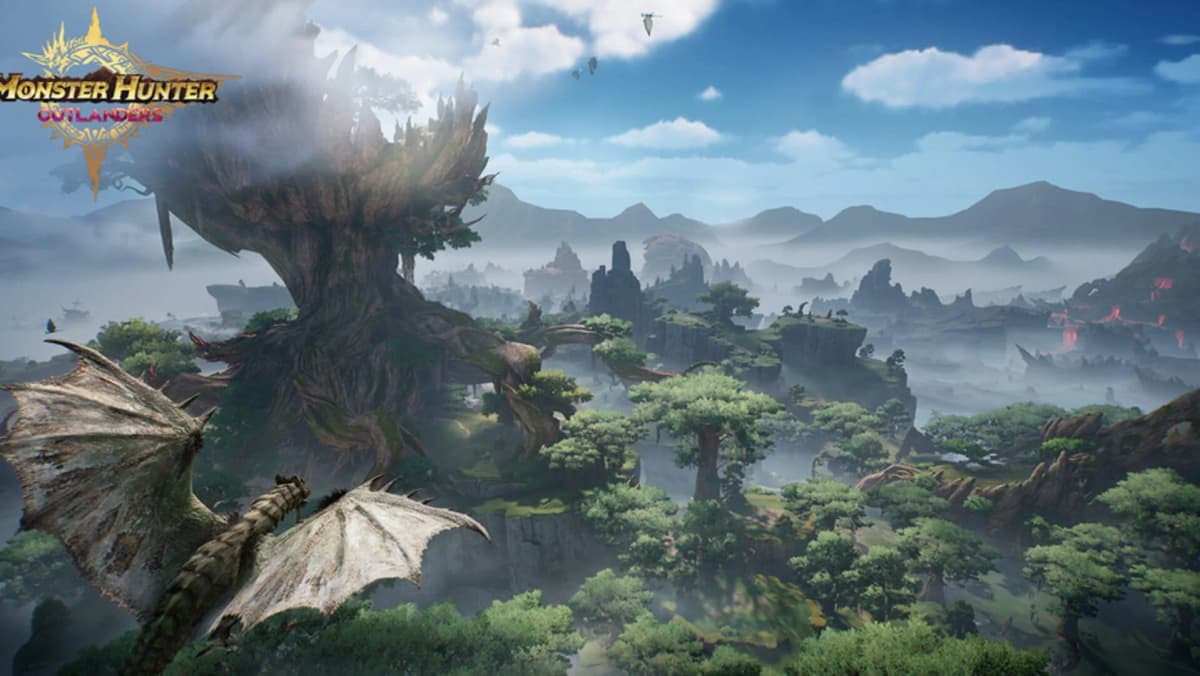
Outlanders drops you onto Aesoland, a new island with regions like the Grand Archipelago—bright fungi, algae, and plenty of familiar targets. The TGS slice showed Rathian, Rathalos, and Pukei-Pukei in action; armor hints suggest Paolumu and Diablos are lurking. Fights are real-time, and instead of complex input strings, you’re working a multi-button tap system that chains attacks and follow-ups. You can lock onto parts for weak-spot damage, which makes sense on a phone screen but changes how you read spacing and tailswipes.
Roles are clean: Assault (damage), Disruptor (CC/debuffs), and Support (heals/buffs/rescues). Each class pairs with a buddy type—Palico for Assault, Rutaco (a mischievous monkey) for Disruptor, and Trillan (owl-eagle hybrid) for Support. Co-op skills trigger team burst windows focused on a single monster part—think coordinated part breaks on demand, which could be great if timing matters and not just a “press to delete” button.
Does It Still Feel Like Monster Hunter?
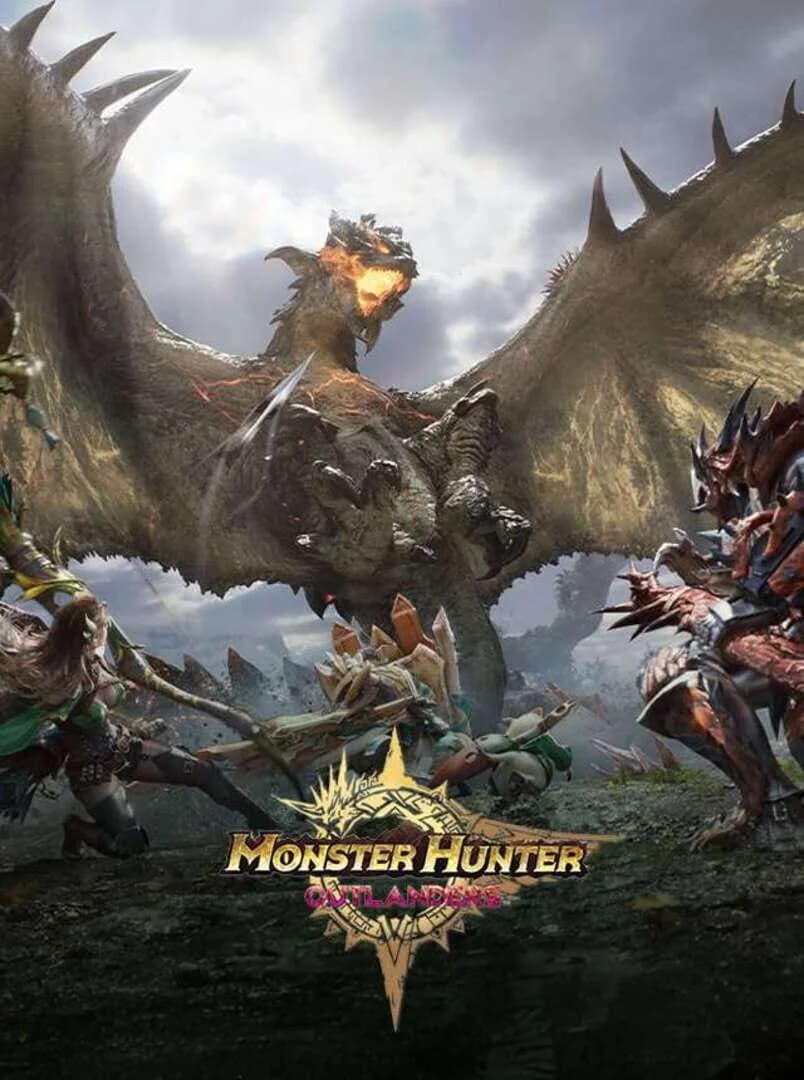
This is the crux. From the footage and descriptions, TiMi isn’t chasing a Stories-style remix or Niantic’s AR-lite approach in Monster Hunter Now. This is closer to World/Rise combat, compressed for phones. The five-weapon lineup covers a nice spread—from the deliberation of Greatsword to the blender that is Dual Blades—while Bow and Heavy Bowgun keep ranged players in the mix. TiMi says more weapons are planned “one by one,” but didn’t promise all fourteen; that’s worth watching, because weapon identity is Monster Hunter’s soul.
Concessions like red danger flashes before big attacks make sense for tiny screens, yet part of MH’s thrill is learning tells and committing. If Outlanders leans too hard on UI warnings and lock-on safety nets, it risks losing the “I learned this monster” arc. On the other hand, a skill ceiling can still exist if timing windows are tight and animations carry weight. TiMi has shipped responsive mobile action before—Pokémon Unite’s inputs feel clean—so the control foundations aren’t a lost cause.
The Mobile Question: Depth vs. Convenience
Producer Dong Huang calls the experience “chilled and relaxed” and “not too time consuming.” I get the intent—hunts that fit a bus ride rather than a Saturday marathon. But Monster Hunter thrives on prep, pattern mastery, and build crafting. If quests are short and enemies regularly frenzy mid-fight (a trait of the new radiant species), there’s potential for compact intensity—if armor sets, part breaks, and status play still matter. If not, it becomes another snackable action RPG wearing Rathalos armor.
Performance is the other elephant. The preview was remote, so we don’t know how consistent 60 fps will be across mid-range Android devices, or whether inputs stay responsive under network strain. Genshin proved high-fidelity mobile is doable, but hunted combat needs stability more than spectacle.
Want to Level Up Your Gaming?
Get access to exclusive strategies, hidden tips, and pro-level insights that we don't share publicly.
Ultimate Gaming Strategy Guide + Weekly Pro Tips
Monetization Watch: What They Haven’t Said
It’s free-to-play with no other platforms planned. That tells me monetization will drive the roadmap. TiMi’s past games run on battle passes, cosmetics, and occasionally character unlocks. The big fear is gacha for weapons, buddies, or even hunter skills. Nothing’s confirmed here, so treat this as a question mark—but if progression locks key weapons or co-op skills behind pulls, the “authentic” pitch takes a hit. A fair model would put monetization on cosmetics and convenience while keeping gear acquisition craft-driven, as the series expects.
Why This Matters Now
Capcom’s mobile history with MH is a mixed bag—Japan-only spin-offs shuttered, Stories found life as a premium port, and Monster Hunter Now scratches a different, AR itch. Outlanders is the first direct swing at real-time hunts on phones that feels like a shot at the core loop. If it lands, it could be the go-to “between sessions” companion for World/Rise fans and a smart on-ramp ahead of Monster Hunter Wilds. If it misses, it’ll be another lesson that not every console-native loop survives the squeeze to mobile.
Looking Ahead
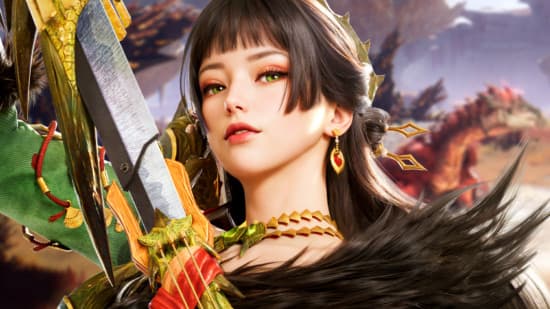
The November closed beta on iOS and Android will answer the big questions: input feel, difficulty tuning, and how far the progression carrot dangles before a paywall. Customization options, NPC hunters like Midori (Longsword counter specialist) and Pepe (Heavy Bowgun Disruptor), and that buddy system all sound promising on paper. I just want to see whether a Greatsword’s commitment still feels like a promise you make with your thumbs—and whether breaking a Diablos horn still feels earned.
TL;DR
Monster Hunter Outlanders looks closer to “real” MH than any mobile attempt yet, with role-based co-op, radiant variants, and tap-friendly controls. If monetization stays fair and the combat keeps its teeth, this could be the commute hunt we’ve wanted. If not, stick to World, Rise, and prep for Wilds.