
Table of Contents (8)
My First Night in Azuria on Nintendo Switch 2
The first thing that hit me in Monster Hunter Stories 3 wasn’t a monster roar. It was light. You wake up in Azuria and the way the morning sun spills over the terraced city, with those soft, painted clouds and chunky, toy-like buildings, feels less like “Monster Hunter spin-off” and more like someone at Capcom binge-watched Studio Ghibli and said, “Okay, but what if we did that in the RE Engine?”
I’d gone in expecting “Stories 2.5” – same comfy monster collecting loop, slightly prettier, maybe a new gimmick or two. After a few hours on Nintendo Switch 2 in handheld mode, I realised this wasn’t that. The tone is heavier, the pace more deliberate, and crucially, the combat finally has the punch and rhythm I always wanted from this subseries.
By the end of the first night, I’d already fought in a border skirmish between rival kingdoms, stolen eggs from three different monster dens, and watched one of the best-directed cutscenes Capcom has put in a JRPG. This is the first Monster Hunter Stories where I stopped thinking “cute side project” and started thinking “oh, this stands on its own.”
A Political Fairy Tale That Actually Lands
Stories 3 puts you in the boots of a descendant of the royal line of Azuria, a prosperous kingdom that manages its ecosystem by hunting for monster eggs, hatching them, and using their power to keep nature in balance. It’s Monster Hunter logic, but wrapped in a more grounded, almost agricultural fantasy vibe.
Across the border, the neighbouring kingdom of Vermeil is literally crystallising. Land, buildings, even people are being overtaken by a spreading crystalline blight that looks beautiful from a distance and sickening up close. Vermeil is desperate, angry, and convinced Azuria is somehow to blame. That’s your setup: not “save the crystal of light” generic JRPG stuff, but a slow-motion ecological and political disaster that two countries can’t agree on how to solve.
Capcom leans into this geopolitical tone more than I expected. The early hours are tight, almost claustrophobic, as you’re pushed through diplomatic missions, tense negotiations, and eventually outright war. As the story opens up, you discover there’s a whole world beyond Azuria, secrets around the true nature of the crystallisation, and long-buried mysteries involving your missing mother and a pair of terrifying twin Rathalos that have turned into legends used to scare children.
What surprised me is how well the cast sells it. The Ghibli-style art makes everyone look soft and approachable, but the writing gives them enough edges. Your childhood friend, the Vermeil envoy who’s clearly out of their depth, the grizzled commander who actually learns from his mistakes instead of being a stubborn wall to push against – they’re not genre-breaking, but the combination of solid voice acting, expressive animation, and genuinely slick cutscene direction made me care about them more than in the previous two games.
This isn’t a “philosophy lecture” JRPG; it’s still a monster-collecting adventure where you ride a Brachydios into battle. But the political backdrop gives weight to your quests. When Vermeil troops start encroaching on a beast’s territory, and you’re the one who has to clean up the mess, it ties the combat loop to the story in a satisfying way.
Semi-Linear World, Dens and That Sweet Egg Loop
Structurally, Stories 3 finds a sweet spot I wish more JRPGs would copy. It’s not open world in the modern checklist sense. You travel between regions through a world map and there are plenty of loading screens – entering big cities, dipping into monster dens, moving between biomes – but they’re short enough on Switch 2 that I stopped noticing after a while.
Each major region is a semi-open hub: big enough that you can get distracted hunting for rare dens or side objectives, but still funnelled just enough that the story doesn’t lose tension. Capcom alternates these open zones with tighter, more linear segments – think fortified passes, siege situations, infiltrating a crystallised city – and the rhythm works. I never felt that dread of “oh no, another two-hour dungeon” or that fatigue you get from bloated open worlds.
The real heart of exploration is still the monster dens and egg system. You dive into these short, mostly bite-sized caves, fight or sneak past a monster, and grab an egg from their nest. Fans of the previous games will recognise the loop, but Stories 3 nudges it closer to the mainline Monster Hunter logic in smart ways.
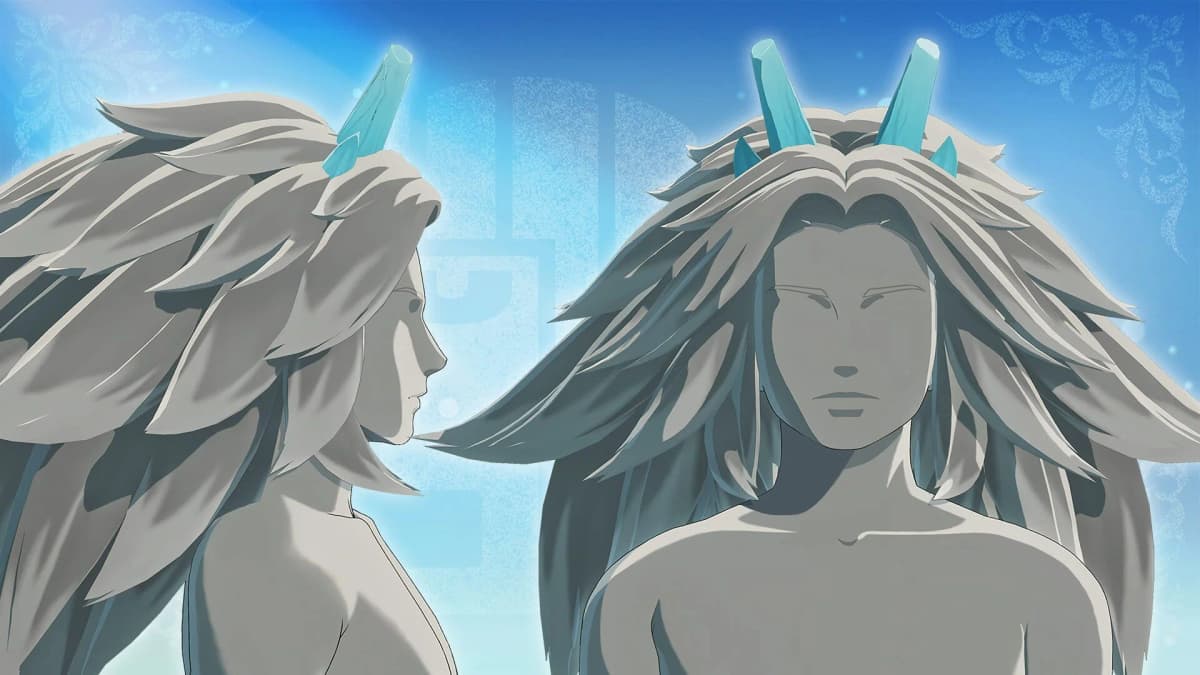
There’s a light ecosystem management layer now. Releasing hatched monsters back into specific regions actually strengthens that species in that area. Do that enough and their local “rank” increases. Hit rank S and suddenly the eggs you’re pulling from dens in that zone are significantly better stat-wise and gene-wise. It’s grindy in concept, but in practice it subtly rewards you for doing what you already want to do: collecting, experimenting, and perfecting your party of Monsties.
I lost an entire Sunday to this. I told myself I’d just do “a couple of dens” before progressing the main quest. Three hours later I was still rerolling eggs, releasing duplicates, and watching the ecosystem ticks climb towards S rank. That’s when I realised the structure works: you’re rarely forced to grind, but the systems quietly tempt you into it.
Combat: Rock‑Paper‑Scissors With Actual Bite
The first two Stories games had a fun idea buried under slightly sluggish execution: take Monster Hunter’s part-breaking, elemental matchups and layer it over a rock‑paper‑scissors system (Power, Speed, Technical attacks). Stories 3 is where that idea finally clicks into something genuinely tense and kinetic.
The core triangle is still there. Guessing (or reading) whether a monster will use a Power, Speed or Technical attack and countering with the right one is the backbone of every turn. But Capcom has sped up the animations, cleaned up the UI, and added a new stamina-style meter that fuels special skills and team attacks. Managing that resource – when to burn it on flashy Rider/Monstie combo skills versus saving it for emergency heals or guard abilities – gives battles an extra layer without bogging them down.
What I loved most is how aggressive the game lets you be. You have a turbo mode to fast‑forward fights, and the visual feedback is sharp enough that even at high speed you can tell what went wrong when a monster clipped you for half your HP. You’re still aiming to break specific parts (horns, tails, wings) to stagger enemies, interrupt big moves, and grab rare loot, just like the main series. But because of the stamina and rock‑paper‑scissors system, that process feels more like outplaying a clever opponent than stat‑checking a damage sponge.
Allies – both human party members and your Monsties – behave noticeably smarter than in previous entries. They’ll often choose the right attack type without you micro-managing every move, and when you trigger those flashy double attacks where rider and monster charge in together, the anime energy is exactly what you want from this kind of game.
The only thing that might put some people off is that by mid‑game, you are expected to engage with the gear and Monstie systems if you want to keep up. Bosses that gate story progress are legitimate checks: wrong element, outdated armour, sloppy team composition, and you will get bodied. I appreciated that – it forced me to stop autopiloting and rethink my builds – but if you’re hoping to cruise on pure vibes, Stories 3 won’t let you.
Ghibli Dreams in the RE Engine
I’m still a little stunned that this is running on the same engine as Resident Evil. On paper, “RE Engine Ghibli JRPG” sounds like a tech demo pitch. In motion, Monster Hunter Stories 3 genuinely pulls it off more often than not.
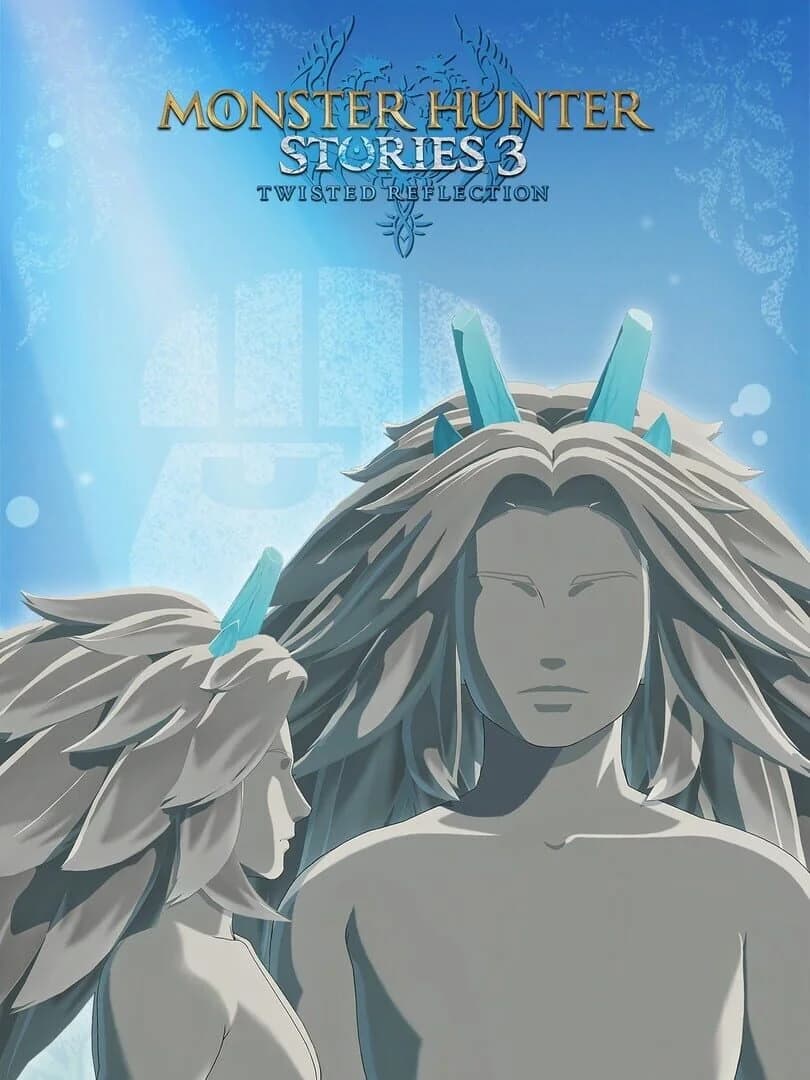
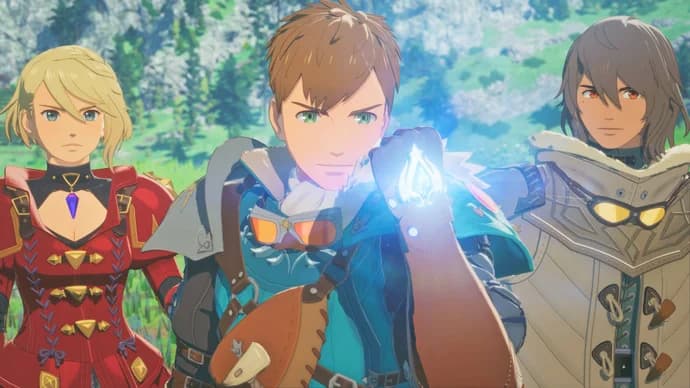
The art direction leans hard into Ni no Kuni–style softness: rounded silhouettes, painterly skies, warm lighting, monsters with that perfect mix of cute and terrifying. Cities have a hand-crafted, model-kit look, with oversized windmills, towering banners, and markets crammed into alleys that feel lived-in. Key story moments are staged like anime film scenes, with clever use of depth-of-field, slow pans across expressions, and surprisingly strong facial animation considering the stylised designs.
It’s not flawless. If you stop and stare at some open-world textures – especially on rock faces and distant foliage – they can look a bit flat and muddy, a clear concession to performance and the hybrid nature of Switch hardware. Occasionally you’ll see a texture pop in a beat late when you enter a new area. None of it broke immersion for me, but it’s there if you like to pixel peep.
Where it really sings is in combat and cutscenes. Effects for elemental attacks, the shattering of crystal-corrupted terrain, the way dust and debris hang in the air after a massive attack – these moments feel leagues beyond Stories 1 and 2. On Switch 2 in particular, the overall clarity and stability pushed it into “playable anime” territory for me. Docked, it held up well on a big TV; handheld, the softer look actually flatter the art style.
Grinding, Genes and the Joy of Optimization
This is still a Monster Hunter game at heart, so yes, you’ll be grinding. The question is whether the grind feels like busywork or like tinkering with a favourite machine. For me, Stories 3 mostly landed on the right side of that line.
The gene system for Monsties returns, letting you slot abilities and traits into a grid and chase bingo-style bonuses. It’s fiddly in the best way. Do you stack raw damage on your main attacker and accept their elemental weakness, or spread out resistances so you’re safer in blind encounters? Do you give your tank a cheeky Speed attack to hard-counter specific monsters, or double down on defense and hate being chipped away slowly? I found myself actually planning teams around specific bosses instead of just throwing my highest-level monster at the problem.
The gear loop is classic Monster Hunter: break parts, craft new weapons and armour, see the visual changes on your rider. The difference here is that the JRPG format gives you a clearer sense of incremental progress. You aren’t just chasing fashion; the game will happily slap you down if your equipment falls a tier behind the current zone. The grind is “reasonable” in that I rarely had to repeat a hunt more than a few times to get what I needed, but you do have to commit.
Side quests are the one area where the game still feels old-school in a slightly bland way. Most are variations on “hunt X”, “bring me Y materials”, or “clear that den over there”. They’re useful for extra resources and a bit of lore flavour, but don’t expect fully fleshed-out subplots. If you’re the type who needs every side quest to be Witcher 3–level narrative, you’ll be disappointed. I ended up treating them as pleasant background noise while I focused on the main story and my Monstie lab projects.
Performance on Nintendo Switch 2 (and the Older Switch)
I played the bulk of my time on Nintendo Switch 2, where the game runs smoothly enough that I rarely thought about performance at all. Frame rate in the field felt stable, combat was consistently fluid even with flashy skills firing off, and loading between areas was brief – a couple of seconds in most cases.
On a quick test on the original Switch, the experience is still perfectly playable, but you can see the trade-offs: softer image, more noticeable texture pop-in in larger hubs, and slightly longer loads entering cities or dens. If you only have the older hardware, you’re not missing core features, but this is one of those cross-gen titles where the Switch 2 version clearly benefits from the extra horsepower, especially on a big screen.
Audio deserves a shout too. The soundtrack leans into sweeping orchestral themes for political setpieces and gentler, almost pastoral tracks for downtime in villages. Monster sound design still hits that chunky Monster Hunter standard – engine or not, Capcom knows how to make a roar feel like a threat even in a cute art style.
So, Who Is Monster Hunter Stories 3 For?
After ~45 hours, a credits roll, and a bit of post-game tinkering, I came away thinking Stories 3 finally knows what it wants to be. It’s not trying to out–Monster Hunter the main series, and it’s not chasing Pokémon as aggressively as the first Stories did. It’s a monster-collecting JRPG with teeth, built on Monster Hunter’s DNA but paced like a story-driven adventure.
If you’re a Monster Hunter veteran who bounced off the earlier Stories games because they felt too slow or kid-glove simple, this is absolutely worth another shot. The more dynamic combat, the higher expectations around builds, and the stronger narrative spine make it feel less like a spin-off and more like a parallel branch of the franchise.
If you’re more of a Pokémon / Ni no Kuni / general JRPG fan, Stories 3 is a great entry point into Monster Hunter’s world. You don’t need to know weapon trees or speedrun strats. The game explains itself clearly, the early hours are welcoming, and the Ghibli-esque visuals and political fantasy plot are much closer to traditional JRPG comfort food than the mainline series’ “you’re some guy in bone armour” vibe.
The only people I’d warn off are those who hate any form of grind or systems tinkering. Even at its most generous, this is still about repeating hunts, optimising builds, and watching numbers go up. The grind is better integrated and more rewarding than before, but it hasn’t vanished.
FinalBoss // Gear
Level up your setup
01Top-rated gaming headsetson Amazon→02High-refresh gaming monitorson Amazon→03Gaming chairson Amazon→04Discounted game keyson Kinguin→Affiliate links · As an Amazon Associate, FinalBoss earns from qualifying purchases.
Want to Level Up Your Gaming?
Get access to exclusive strategies, hidden tips, and pro-level insights that we don't share publicly.
Ultimate Reviews Strategy Guide + Weekly Pro Tips