
Table of Contents (10)
Why These Fights Hurt (and Why They’re Worth It)
After sinking well over 20 hours into just the Calamitous Elder Dragons in Monster Hunter Stories 3, I went from getting one-shot on repeat to farming them reliably for gear and eggs. The breakthrough came when I stopped treating them like regular bosses and started playing around their unique systems: night spawns, the repel mechanic, and Wyvernsoul part damage.
This guide walks you through how I consistently clear all four Calamitous Elder Dragons-Namielle, Yama Tsukami, Ibushi & Narwa, and Velkhana-with specific Monstie picks, elements, and item setups. If you’re hovering around the recommended levels (roughly 75-85) and still getting deleted, this is the upgrade path I wish I had from the start.
Step 1: Understand Spawns, Repels, and Why Full Kills Matter
The game never fully explains how Calamitous Elder Dragons work, and that confusion cost me a lot of time. Here’s what’s actually going on:
- Night-only spawns: Each Elder Dragon is tied to a specific region and only appears at night.
- Summoned by repeated battles: Win enough nighttime battles in that region (Quick Finish at Catavan Stands does count), and you’ll get a short cutscene announcing the Elder Dragon’s arrival.
- Overworld run-ins don’t count: Chasing random monsters in the field doesn’t progress the “summon” as efficiently as chaining Quick Finish fights near a Catavan Stand.
- Repels at ~⅓ HP: Once you shred roughly a third of an Elder Dragon’s HP, it can trigger a repel, ending the battle. Next time you find it, its HP continues from where you left off.
- No rewards for just repels: You only get the big rewards-gear mats, decorations, and rare eggs—when you fully defeat them at least once.
I initially treated repels as failures. In reality, they’re a built-in safety net. On my first Namielle attempt at level 68, I played it super defensively, triggered a repel, and later came back at 75 to finish it off with the HP already chunked down.
How to use repels strategically:
- If you’re underleveled, aim to survive and push one third HP off, then bail when it repels.
- Repeat this over a few nights until you feel confident enough to go for the full kill.
- Don’t over-invest rare items during “repel runs”; save your best for the final push.
Step 2: General Prep – Levels, Gear, and Items
Before we go boss by boss, here’s the baseline that made the biggest difference for me:
- Recommended levels:
- Yama Tsukami: ~60 (manageable a bit lower with good genes)
- Namielle: ~75
- Velkhana: ~75
- Ibushi + Narwa: 80-85+ (no joke)
- Armor priorities:
- Stack defense first, then relevant resistances (Water/Thunder for Namielle, Ice for Velkhana, general defense for Yama, Thunder/Evasion for Ibushi & Narwa).
- Decorations like Divine Blessing, Tenacity, and Anti 1-Hit KO are clutch for the duo fight.
- Core items to bring:
- Plenty of Potions/ Mega Potions / Lifepowders
- Vital Essence (but don’t spam; hearts are limited per fight)
- Status cures: Nulberry Elixirs for Namielle’s stamina-lock debuff, plus general antidotes if your build lacks resistances
- Buff items: Armor Charms, defense buffs, and attack buffs for your big damage turns
- Gene themes for Monsties:
- One strong Dragon-element attacker (Malzeno, Magnamalo, Ratha with Dragon gene)
- At least one Monstie with Evasion Ability and self-sustain (Self-Heal, Life Steal genes)
- Genes that boost Kinship gain so you can use skills to interrupt big AOEs
Once you’ve got that baseline, the real gains come from tailoring your Monsties and tactics to each Elder Dragon’s gimmicks.
Step 3: Boss-by-Boss Calamitous Elder Dragon Strategies
Namielle – Punishing Water/Thunder Mage
Namielle was my brick wall until I finally respected its states and brought the right ailments.
- Recommended Level: 75+
- Elemental Weakness: Fire, Dragon, Ice
- Resists: Water, Thunder
- Ailment Weakness: Poison, Burn, Blastblight, Darkness
- Best Monstie: Malzeno (Dragon damage, Water/Thunder resistance)
Phase flow & attack colors:
- Water Mantle (starts here): uses Technical (green) moves – counter with Power (red).
- Abyssal Charge: shifts to Thunder damage and Speed (blue) attacks – counter with Technical (green); this is the deadly phase.
- Water Depleted: weakened and switches to Power (red) – counter with Speed (blue) and dump damage.
What finally worked for me:
- Stack Water/Thunder resistances on both Rider and Monsties. I wasted a bunch of attempts trying to brute-force with pure Fire damage and no resistances; the AOEs just shredded me.
- During Abyssal Charge, I treat every turn as “survival first, damage second.” I:
- Buff defense with skills or items.
- Prioritize winning Head-to-Heads to cut incoming damage.
- Keep HP as close to full as possible; its big AOEs can erase 80%+ in one shot.
- Once it hits Water Depleted, that’s your window:
- Swap to your hardest-hitting Fire/Dragon options.
- Chain Double Attacks to slam its Wyvernsoul gauge.
- Apply Burn or Blastblight to add passive chip damage.
Avoid my mistake: Namielle’s water attacks can inflict a debuff that <stronglocks recovery< stamina strong your>. The first time I ignored it, my Rider ran out of stamina mid-fight and I couldn’t keep up with skills. Always carry Nulberry Elixirs and cleanse that status ASAP.
Yama Tsukami – “Easy” Elder with a Hidden Timer
Yama Tsukami is billed as the easiest of the four, and I’d agree—if you respect its one major mechanic: the mouth timer and its nuke.
- Recommended Level: 60+
- Elemental Weakness: Dragon, Ice
- Resists: Thunder, Fire
- Ailment Weakness: Darkness, Bleed
- Best Monsties: Malzeno again, plus Lunagaron / Aurora Somnacanth as backups
Phase 1 – Tentacle beatdown:
- In its default state, Yama spams Power (red) attacks.
- Focus your damage on its tentacles. Breaking them reduces incoming damage and sets up the next phase.
- I bring full-defense armor and don’t obsess over elements here; surviving is more important than min-maxing damage.
Phase 2 – Mouth & the Yama Tsukami Pull timer:
- Once the tentacles break, its mouth opens. From this moment, you effectively have seven turns before it casts Yama Tsukami Pull.
- That attack is basically a party wipe unless you’re wildly overleveled.
- Your job is to break the mouth before the seventh turn. Track turns mentally or by marking them with your skill choices.
What helped me most was saving my biggest buffs and Kinship Skills for the mouth phase. The first time, I carelessly used my Kinship early and then couldn’t push enough damage to stop the Pull. Since then, I:
- Enter mouth phase with full Kinship on at least one Monstie.
- Use Dragon-heavy attacks from Malzeno and a well-built Ice Monstie.
- Prioritize Head-to-Heads over fancy skills if it means more consistent part damage.
Once you get the rhythm—tentacles first, then burst the mouth on a timer—Yama becomes a reliable farm target.
- Enter mouth phase with full Kinship on at least one Monstie.
- Use Dragon-heavy attacks from Malzeno and a well-built Ice Monstie.
- Prioritize Head-to-Heads over fancy skills if it means more consistent part damage.
Once you get the rhythm—tentacles first, then burst the mouth on a timer—Yama becomes a reliable farm target.
🎮 Get This Game at the Best Price
Compare prices instantly and save up to 80% on Steam keys with Kinguin — trusted by 15+ million gamers worldwide.
*Affiliate link — supports our independent coverage at no extra cost to you
Wind Serpent Ibushi & Thunder Serpent Narwa – The True Wall
This is where I burned the most hearts and patience. Fighting both Ibushi and Narwa at once, with their one-shot mechanics, is easily the hardest challenge in the game.
- Recommended Level: 85+ (or 80 with godlike genes and patience)
- Ibushi Weakness: Fire, Dragon; resists Ice, Thunder; weak to Bleed
- Narwa Weakness: Ice, Dragon; resists Thunder, Fire; weak to Poison
- Suggested Monstie: Magnamalo (Dragon damage, high defense, Thunder resist)
Key mechanic – Mantle vs Mind Connection:
- At any time, one dragon is in Thunder/Wind Mantle (offensive) and the other is in Mind Connection (support/debuff).
- Always focus your attacks on the Mantle target. It has more parts exposed and takes better Wyvernsoul damage.
- Damage dealt to one Elder Dragon’s Wyvernsoul gauge also affects the other, so AOEs are actually inefficient. I wasted so many attempts trying to “split” damage; don’t.
Attack color patterns:
- Ibushi with Wind Mantle: uses Power (red) – counter with Speed (blue).
- Narwa with Thunder Mantle: uses Technical (green) – counter with Power (red).
- Both in Mind Connection mode lean on Speed (blue) – counter with Technical (green).
Winning those Head-to-Heads isn’t just about damage; it’s how you survive their otherwise unfair output. I started treating every turn as a puzzle: identify Mantle user, match the color, then decide if I can afford to attack or need to heal.
Defensive setup that finally got me the clear:
- Armor with Thunder resistance and the following decorations:
- Divine Blessing – to soften random nukes.
- Anti 1-Hit KO – this literally saved hearts multiple times.
- Tenacity – to avoid getting erased from full to zero.
- Magnamalo built around:
- Dragon damage genes to punish both targets.
- Evasion Ability so it survives more often.
- Malzeno’s E. Dominance via Rite of Channeling to debuff both dragons’ stats.
- A second Monstie with strong Ice damage for focusing Narwa when she’s exposed.
Critical habits for this fight:
- Ride your Monstie whenever your hearts are at risk. If you get knocked off the back after a big hit, you don’t lose a heart—that’s huge.
- Cleanse debuffs quickly. Ibushi and Narwa chain self-buffs and your debuffs; if you let their attack stack up, one misplay will end you.
- Expect wipes. Even with perfect play, some runs just go south due to unlucky targeting or crits. Don’t tilt—this fight is tuned to be unforgiving.
Once I committed to single-target focus, heavy debuffing, and never letting my hearts dip below 2 unless I was mounted, the fight shifted from “impossible” to “barely manageable”—and that’s enough to win.
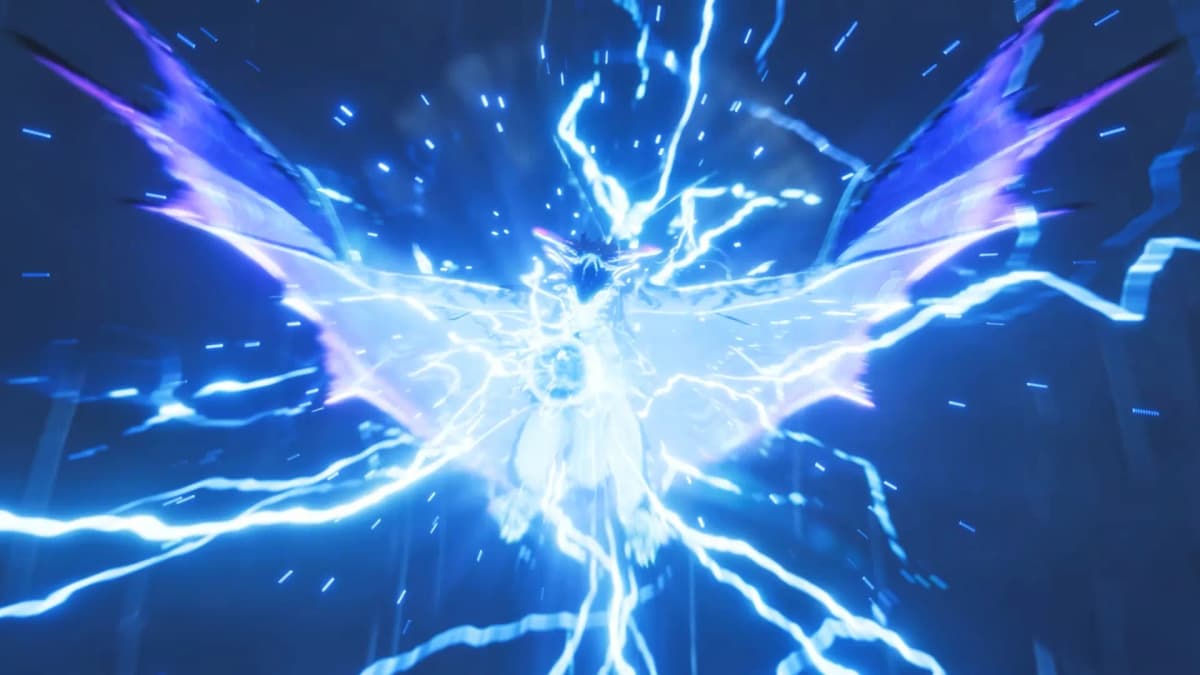
Velkhana – Frostblight Bully
Velkhana ended up being my favorite fight, because once you understand Frostblight, the whole encounter becomes a Head-to-Head playground.
- Recommended Level: 75+
- Elemental Weakness: Fire, Dragon
- Resists: Ice, Water
- Ailment Weakness: Burn, Poison, Blastblight
- Best Monstie: Ratha (strong Fire, good Ice resistance). Any Fire Monstie with Ice Def Boost works.
Phase & color pattern:
- Starts in normal state using Technical (green) attacks.
- Then raises an Ice Mantle and shifts to Speed (blue).
- Finally swaps to Freezing Fog Mantle with Power (red) attacks.
- Winning Head-to-Heads in any phase chunks its Wyvernsoul gauge.
Frostblight – the core mechanic:
- Velkhana inflicts a special status called Frostblight.
- It can only be cured by:
- Winning a Head-to-Head or
- Triggering a Double Attack with your Monstie
- If you ignore Frostblight, your Rider/Monstie will get toppled and lose a turn—usually right before a big attack.
My early attempts failed because I treated Frostblight like any other status and tried to out-heal it. Once I realized it’s basically the game’s way of forcing you to engage the Head-to-Head system, I rebuilt around it.
How I “bullied” Velkhana:
- Equipped a Hammer with skills that deal extra part damage.
- Gave my Fire Monsties Ice Def Boost plus Kinship gain genes.
- Sent Monsties on Excursions until I rolled Battle Thirst Egg Powers to enhance Head-to-Heads.
- Every time Frostblight landed, I immediately aimed for a Double Attack with the right color to cure it and slam Wyvernsoul.
Velkhana does have some nasty AOEs. If you see it charging a big move and your Kinship gauge is full, don’t hesitate—pop a Kinship Skill to interrupt. If your gauge isn’t full, buff defense and accept that you might lose a heart; that’s better than overcommitting and getting wiped.
Step 4: After the Kills – Rewards and Next Steps
Beating each Calamitous Elder Dragon at least once is absolutely worth the grind:
- Top-tier gear: Their parts forge some of the strongest weapons and armor in the game.
- Unique decorations: You miss out on these if you only ever trigger repels.
- Monstie access: Some Elder Dragons become recruitable through eggs once you’ve beaten them properly.
- Habitat restoration & completion: Clearing these fights contributes to various endgame goals and checklists.
If you’re still stuck on one of them, lean on the repel mechanic: chip a third of their HP, retreat, upgrade gear with whatever endgame materials you have, then come back. These fights are designed as long-term projects, not one-and-done hurdles.
If I can drag my way from repeated wipes to reliably farming Ibushi and Narwa, you absolutely can too. Dial in your elements, respect the attack colors, and treat every Head-to-Head as a chance to turn the fight around—and these “impossible” Elder Dragons start to feel like puzzles you finally know how to solve.
FinalBoss // Gear
Level up your setup
01Top-rated gaming headsetson Amazon→02High-refresh gaming monitorson Amazon→03Gaming chairson Amazon→04Discounted game keyson Kinguin→Affiliate links · As an Amazon Associate, FinalBoss earns from qualifying purchases.
Want to Level Up Your Gaming?
Get access to exclusive strategies, hidden tips, and pro-level insights that we don't share publicly.
Ultimate Guide Strategy Guide + Weekly Pro Tips