
Table of Contents (6)
Capcom wants you to finish Monster Hunter Stories 3 – and feel like it was worth your time
Capcom is setting expectations ahead of Monster Hunter Stories 3’s March 13 launch: the main story is meant to sit between roughly 30 and 50 hours, and the team says that’s intentional. This isn’t just “here’s a number” PR – the developers repeatedly frame playtime as a design decision: they deliberately paced the campaign so players “feel satisfied” at credits, rather than being punted straight into endgame content and grinding for hours to find meaning.
- Key takeaway: Capcom is positioning Stories 3 as a complete JRPG experience, not just an extended appetizer for endgame collectors.
- What that number means: 30 hours is a rushed run; 40-50 hours is the expected typical playthrough, and some testers went beyond 50.
- Signals, not guarantees: The real test will be post-launch critiques and player reports on whether the story arc actually lands without leaning on post-credits grind.
- Practical: Free Switch demo with save carryover is live; the full game releases March 13 on PC (Steam), PS5, Xbox Series and Switch 2.
Why Capcom is saying this – and why it matters
Kenji Oguro, the game director, told 4Gamer (via translations cited in the Steam News post) that a “rushed” main quest will take around 30 hours. Executive producer Ryozo Tsujimoto added that playtests clustered in the 40-50 hour range and some players exceeded 50. Those numbers line up with the series’ history — Stories 1 and 2 often land in the same window depending on side content — but the messaging here is explicit: the main plot should stand on its own.
That matters because the Monster Hunter family has traditionally leaned hard into endgame loops: hunt, craft, repeat. Stories, as a turn-based JRPG offshoot, has always had more of a narrative focus, but the series’ legacy grind has a way of swallowing player time. Promising a satisfying story without requiring the endgame is a direct appeal to JRPG players who want a contained experience, and to reviewers who’ll grade the game on whether the plot pays off.
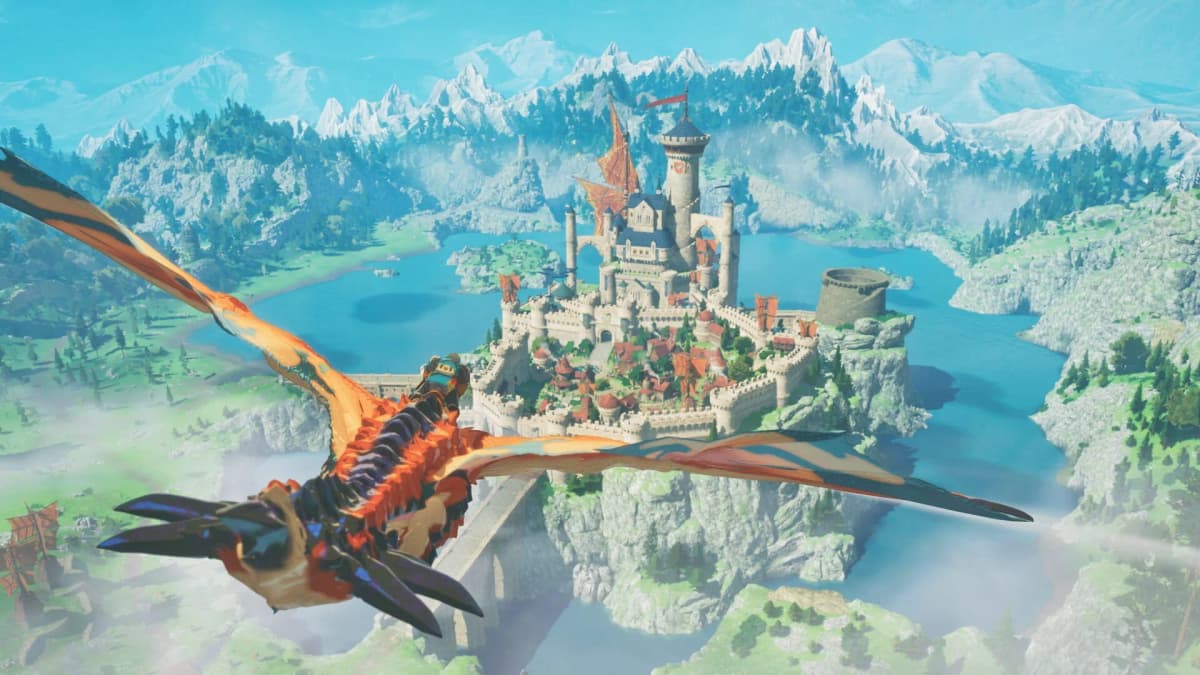
The uncomfortable observation Capcom didn’t lead with
Say what you will about marketing spin — 30-50 hours is also a commercial signal. A headline-friendly runtime reassures shoppers that the game isn’t a 12-hour “service” demo routing players into microtransaction-laden post-launch content. But it also tempers expectations for completionists: you’ll likely want to keep playing. The company still promises “the usual post-story grind,” which means the endgame loop hasn’t gone anywhere. So while the main story may be designed to satisfy, the game still needs a robust grind for longevity — and that’s where player sentiment will split.
Hands-on hints and what’s missing from the PR
Previewers diving into the demo have pushed those numbers in practical ways: one playthrough described going 35+ hours from Chapter 1 into Chapter 2, praising side stories, unique bosses and habitat chores that can easily add six-plus hours on a single monster. Another preview after ~20 hours said the story is accessible to newcomers and the world-building is solid, but the combat tutorialization can feel uneven once layered systems (skills, weapon parity, monsties) come online.
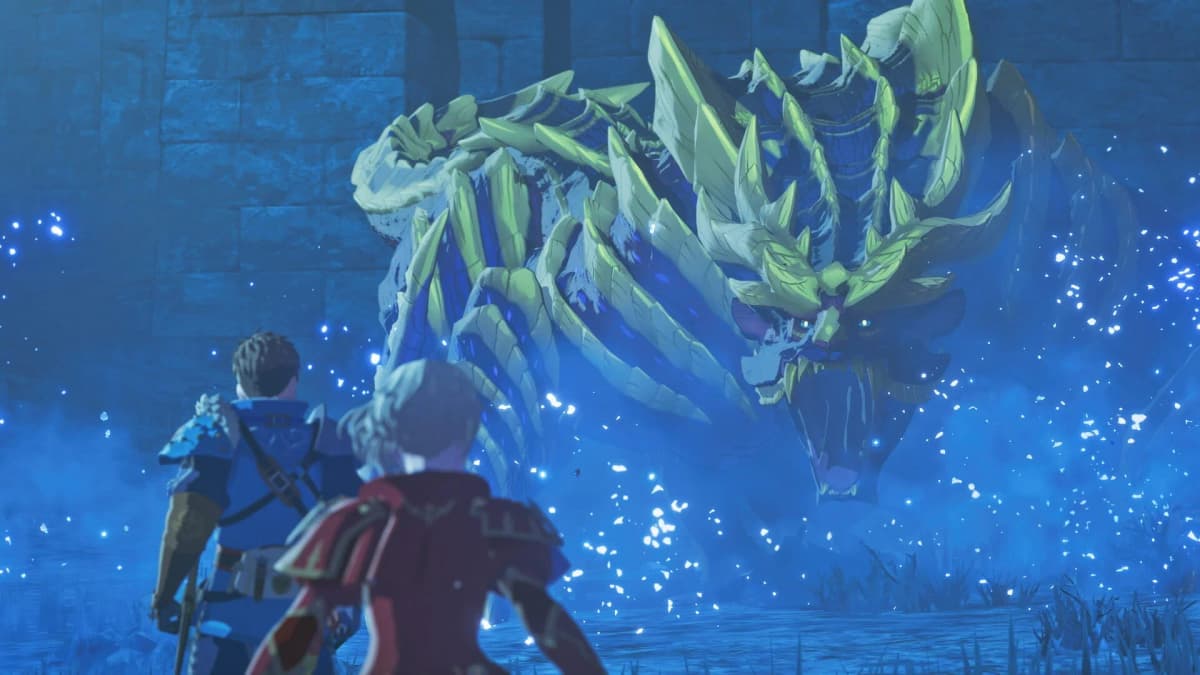
What’s not in the Steam News post: a clear benchmark for what “satisfied” means. Is that a complete character arc? A conclusive final boss? A tidy narrative wrap with memorable beats? Those are qualitative things reviewers will test. If I were briefing PR, I’d ask: what specific beats are you designing so that players can stop after the credits and feel they experienced a full JRPG, not an interrupted one?
What to watch next
- Feb 20, 2026 — Steam News post with the 30–50 hour estimate (the start of this messaging campaign).
- Feb 22, 2026 — “Go Forth” story trailer and 13-minute developer walkthrough from Daisuke Wakahara; use it to check how much story context and character beats are telegraphed.
- Now — Switch 2 free trial available with save transfer; early adopters’ playtime reports will appear on Reddit/Discord over the next weeks.
- March 13, 2026 — Launch day. Look for early reviews that specifically rate narrative satisfaction separate from endgame quality.
If Capcom nails the promise, Stories 3 becomes the go-to recommendation for players who want a contained Monster Hunter JRPG with meaningful narrative payoff. If it doesn’t, you’ll still have the endgame grind — and a marketing line that read better than the product felt.
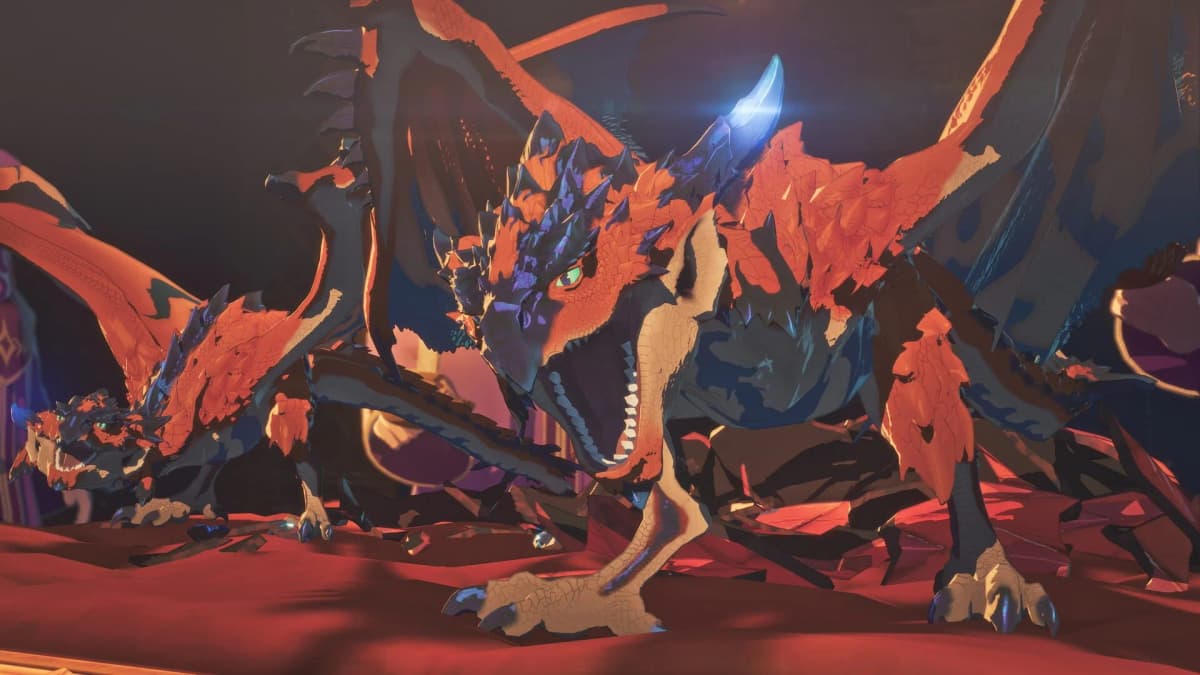
TL;DR
Capcom says Monster Hunter Stories 3’s main story lands around 30–50 hours by design, aiming to deliver a satisfying JRPG arc instead of herding players straight to endgame. That’s a deliberate positioning to broaden appeal beyond grind-hardened hunters, but the claim is only meaningful if post-launch reviews confirm the story actually lands. Watch the March 13 launch and early player reports — they’ll tell you whether this was a genuine design priority or smart PR packaging.
FinalBoss // Gear
Level up your setup
01Top-rated gaming headsetson Amazon→02High-refresh gaming monitorson Amazon→03Gaming chairson Amazon→04Discounted game keyson Kinguin→Affiliate links · As an Amazon Associate, FinalBoss earns from qualifying purchases.
Want to Level Up Your Gaming?
Get access to exclusive strategies, hidden tips, and pro-level insights that we don't share publicly.
Ultimate Gaming Strategy Guide + Weekly Pro Tips