
Monster Hunter Stories 3 is trying something quietly ambitious: instead of hiding rare monsters behind static spawns or timers, Capcom is turning the environment itself into a progression system. The locales trailer shown at IGN FanFest – and an on-stage interview with director Kenji Oguro, art director Takahhiro Kawano, and lead designer Daisuke Wakahara – doesn’t just sell pretty towns. It makes restoring ecosystems the gameplay hook that unlocks the rare eggs and dual-element monsties you’ll actually want.
- Key takeaway: Habitat restoration is gameplay, not window dressing – raise ecosystem rank to change egg spawns and earn dual-element and Deviant monster eggs.
- World design matters: Azuria, Shepharden, and Galyad are backed by clear real-world and franchise inspirations, with art-to-engine workflow shown at IGN FanFest.
- Gameplay trade-offs: Long Sword arrives; Sword & Shield is out to avoid tilting the weapon roster. The protagonist is older and framed as an environmentalist Ranger.
- Scope note: The core campaign remains in the 40-50 hour range, but the new systems look built to expand endgame grinding.
Table of Contents (5)
The world is the reward — literally
The smart-sounding core of the IGN FanFest segment is the habitat-restoration mechanic. Developers said the protagonist is now the captain of a Ranger Corps whose job is preservation. Instead of the old, identical egg-den model from Stories 1 and 2, Stories 3 gives each player a mutable environment: restore habitats, raise an ecosystem rank, and the types of eggs that spawn change. Do it well and you can hatch dual-element monsties and even eggs for Deviant Monsters — the rarer, fan-favorite variants from the mainline games.
That’s a tidy bit of design economy. It turns lore — “these lands are dying from Crystal Encroachment” — into a direct reason to poke every corner of the map. It also hands players permission to care about the scenery beyond it being Instagram-worthy. Push Square’s recent coverage backs this up: the game’s core story still clocks in around 40-50 hours, but the ecosystem and rearing systems are precisely the kind of hooks that can double or triple playtime for players who want to chase the best monsters.
Art that’s meant to earn gameplay beats
IGN’s trailer walkthrough made a point of showing concept art and how it becomes the actual in-engine locales. Azuria leans on a fairy-tale castle vibe (Capcom even cites Spain’s Alcázar de Segovia as a visual reference) and features a monster runway for flying monsties. Shepharden tips toward the Eastern aesthetic of Monster Hunter Rise and includes torii-inspired architecture. Galyad is a once-floating Mediterranean port rendered now as a desert city draped in jewelry and a Lagiacrus fountain — a visual note that the world used to be wet and is now baked by crystal rot.
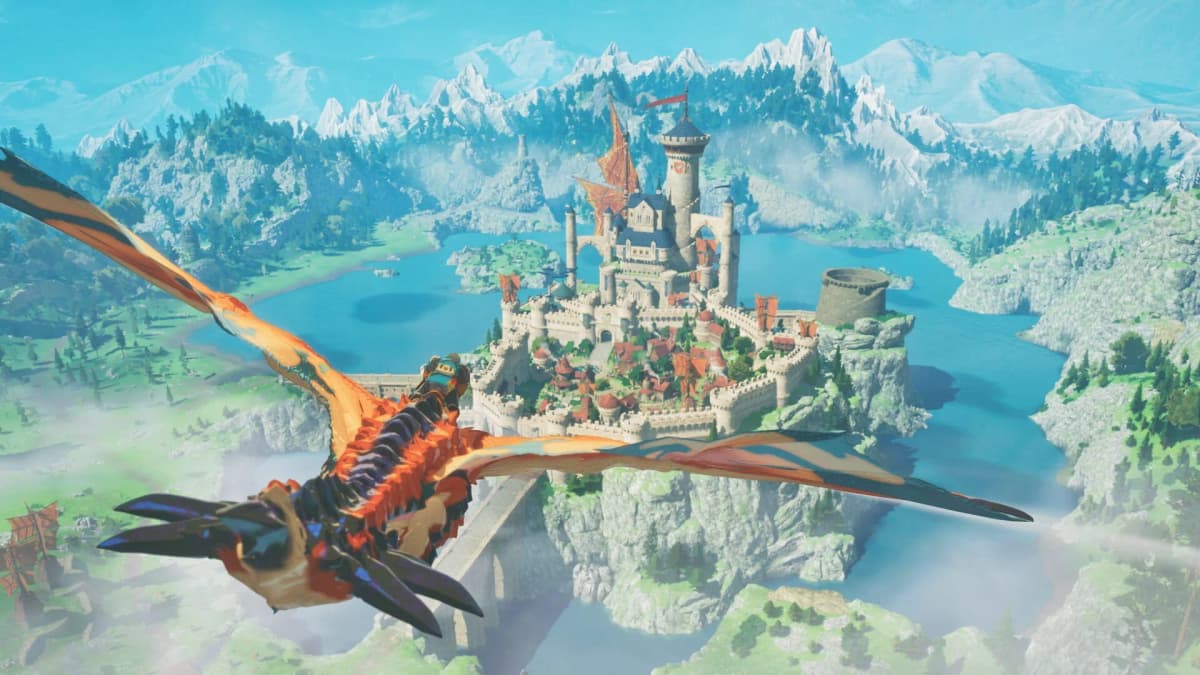
That background work matters because the habitat system ties rewards to place. If the environments were shallow, this would be window-dressing. Capcom is pitching these regions as functionally different ecosystems that change what you can hatch — and that’s why the art-to-engine demo matters: it’s not just for show.
The design choices that will annoy some players
Two blunt concessions from the interview: the Long Sword is in, Sword & Shield is not. Wakahara explained Sword & Shield was cut to avoid overloading the roster with slash-type weapons after successfully integrating Long Sword into the RPG formula. That’s reasonable design housekeeping, but it’s a call that will sting players who prefer the Shield’s utility and animations.
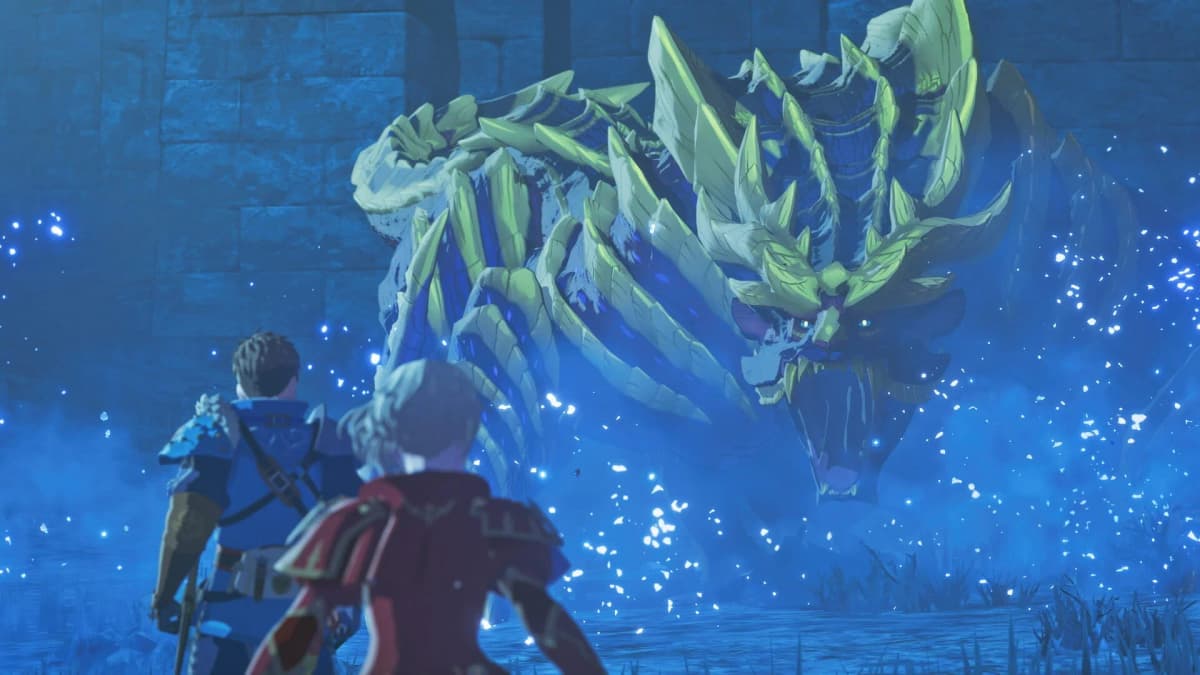
Also worth noting: the protagonist is older and begins the game as an elite rider and prince or princess of Azuria — that’s a deliberate tonal pivot from the child-to-adolescent arcs of previous Stories entries.
The uncomfortable question
Making the world the loot table is clever. Making it a chore isn’t. The habitat-restoration system could be a rewarding loop of exploration and incremental world improvement — or it could become a thin veneer for gated, grind-heavy access to Deviants and dual-element eggs. The team says raising ecosystem rank allows for rare spawns; they don’t yet say how repeatable or time-gated that process is, how much it demands of players who want the absolute best, or how it will affect casual players who just want to collect a few eye-catching monsties.
If I were on the stage I’d have asked: will restoring habitats be satisfying emergent play or a checklist that funnels you into an endgame treadmill? And will rare eggs be something you can reasonably earn through play, or require astronomical time investment?
What to watch next
- Try the PS5 demo (reported by Push Square) to judge the rearing loop and how much time restoration takes in practice.
- Look for specifics on ecosystem-rank pacing in upcoming previews or patch notes — this will reveal whether rare eggs are a niche reward or a gating mechanic.
- Watch for post-launch details about Deviant Monsters: how many, where they live, and whether they rotate in and out of habitats.
- Any future balance notes on weapons: if Sword & Shield fans vocalize enough, Capcom may revisit roster choices for updates or DLC.
Sources: IGN’s FanFest interview and trailer walkthrough, Push Square reporting on campaign length and demo availability, and Steam News’ Capcom showcase roundup.
TL;DR: Monster Hunter Stories 3 is deliberately making environmental stewardship the path to better monsters. That’s a neat piece of design work — if Capcom keeps it from collapsing into a grind, it could be one of the series’ smartest evolutions. If not, it’ll feel like an earned trophy you have to suffer for rather than something you earn by falling in love with a favorite Monstie.
FinalBoss // Gear
Level up your setup
01Top-rated gaming headsetson Amazon→02High-refresh gaming monitorson Amazon→03Gaming chairson Amazon→04Discounted game keyson Kinguin→Affiliate links · As an Amazon Associate, FinalBoss earns from qualifying purchases.
Want to Level Up Your Gaming?
Get access to exclusive strategies, hidden tips, and pro-level insights that we don't share publicly.
Ultimate Gaming Strategy Guide + Weekly Pro Tips