
Monster Hunter Stories 3: Twisted Reflection Preview — Bigger, Darker, Finally Multiplatform
Game intel
Monster Hunter Stories 3: Twisted Reflection
Contains the following: Monster Hair: Goss Hairagy A special hairstyle for the protagonist!
Monster Hunter Stories 3 Caught My Eye For All the Right Reasons
Monster Hunter Stories 3: Twisted Reflection is the first time this spin-off feels like it’s stepping out of the “kid-friendly side series” shadow. Capcom’s making it a full multiplatform launch on March 13, 2026 (PC, PS5, Xbox Series, and Nintendo Switch 2), pushing a darker tone, a larger world built in RE Engine, and keeping that crunchy turn-based combat the faithful love. I didn’t get hands-on time myself, but seeing and dissecting the same demo shown to press, a few things stood out that matter for players-not just for Capcom’s marketing deck.
Key Takeaways
- A more mature story and older protagonist signal Capcom following its audience as they grew up with the series.
- RE Engine-powered world design suggests broader, taller zones and traversal variety via monster mounts.
- Combat keeps its deep rock-paper-scissors core while adding stylish team finishers reminiscent of Persona’s All-Out Attacks.
- Multiplatform launch should mean better performance options and wider reach-if Capcom nails parity and QoL.
Breaking Down the Announcement
The hook is the tone. Twisted Reflection leans into high-fantasy geopolitics: two kingdoms on the brink, monsters driven mad by a creeping phenomenon, and you play as the prince of Azuria leading a Ranger outfit trying to restore balance. It’s still anime-bright in its art style, but the pitch feels closer to a “Fire Emblem politicking with a dash of Final Fantasy XVI stakes” than the Saturday-morning warmth of the 3DS original. That tracks. Ten years after Monster Hunter Stories, the kids who imprinted on Rathalos are now adults-Capcom seems ready to meet them there.
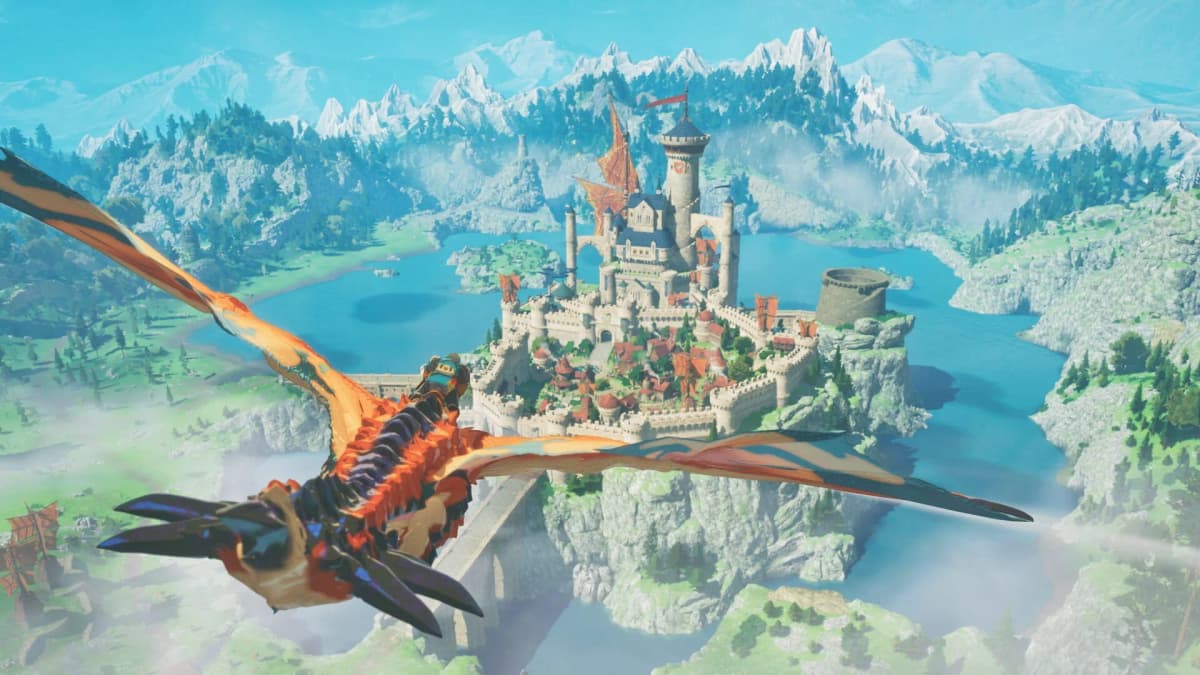
Visually, it’s an eye-catching pivot. The cel-shaded look and bold color gradients call to mind Breath of the Wild more than the painterly style of Stories 2, and the RE Engine—yes, the same tech behind Resident Evil 4 Remake and Street Fighter 6—handles it with surprising elegance. Capcom keeps proving RE Engine is less an engine and more a Swiss Army knife.
What This Changes for Players
Traversal and exploration feel more ambitious. Mounts aren’t just cute companions; they’re your toolkit. Rathalos can take to the skies, Tobi-Kadachi scampers up sheer faces, and the demo showed zones that open up vertically and horizontally in a way past games only hinted at. Stories has always been about partnering with monsters rather than harvesting them—giving each mount a clear environmental utility is the right way to make exploration more than a jog between fights.
I’m curious how far the breeding and growth systems go this time. The demo didn’t dive into egg-hunting and gene mixing—the lifeblood of long-term Stories builds—but this is where the grind either sings or numbs. If Capcom layers more meaningful traits and clearer build paths (without burying players in submenus), the loop could be dangerously compelling.
Combat: Depth vs. Drag
Stories combat still rides the Power/Speed/Technical triangle, that deceptively simple rock-paper–scissors that becomes a mind game once you’re reading monster patterns. You directly control the rider and issue orders to your Monsties, swapping partners to counter enemy tells. Bosses in the demo leaned harder on downing mechanics: rather than simply chipping HP, you’re encouraged to break parts and stun targets by exploiting weaknesses—straight out of mainline Monster Hunter, but turn-based. When the “kinship” gauge (the series’ special meter) fills, you mount up for a big tag-team finisher.
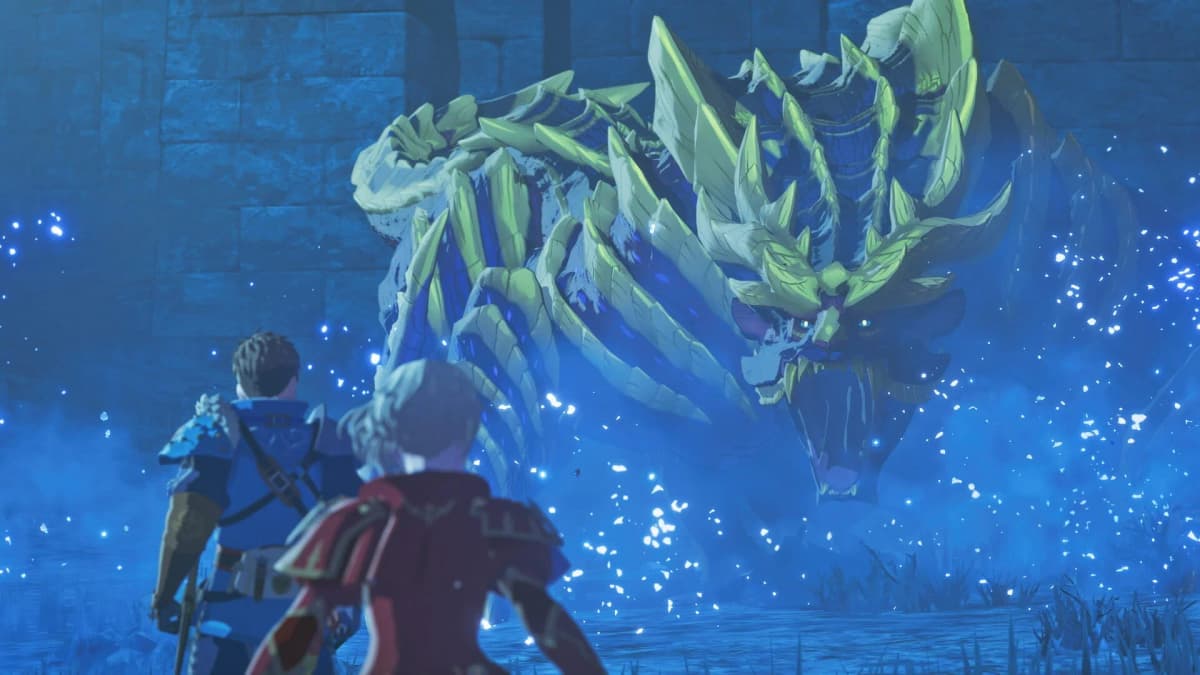
The new flourish is a party follow-up when an enemy is grounded—essentially a synchronized beatdown that screams Persona’s All-Out Attack. It’s pure spectacle, but it also rewards planning and tells you clearly: “Yes, you forced the opening—capitalize.” The risk? Stories can feel menu-heavy and slow if you aren’t locked in. Capcom needs to double down on speed toggles, smarter AI presets for Monsties, and punchier tutorialization so the strategy shines without the slog. If you bounced off Stories 2 because fights ran long, watch for these quality-of-life tweaks in previews closer to launch.
Industry Context: Capcom’s Smart Play
Going wide on platforms is overdue. The first Stories lived on 3DS; the sequel landed primarily with the Nintendo crowd (with a PC version). Twisted Reflection arriving day one on PC, PS5, Xbox Series, and Switch 2 is huge. It puts the spin-off in front of Monster Hunter: World/Rise players who never touched Stories because of platform friction. It also raises expectations: PC needs robust settings and performance, consoles need sharp 60fps modes, and Switch 2 needs a solid portable experience that doesn’t feel compromised.
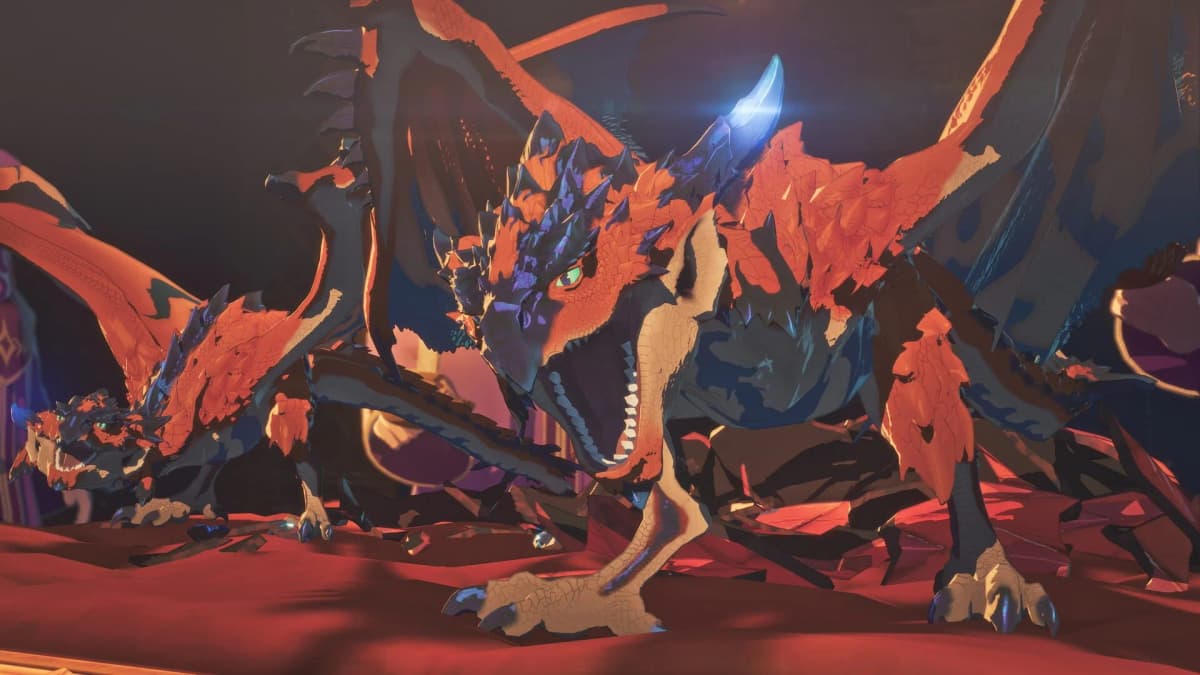
And about that darker tone: smart move, but there’s a balance to strike. Push too grim and you lose the cozy bond-with-your-monster identity that makes Stories special. From what we’ve seen, Capcom is threading it—higher stakes, older cast, still bright and earnest. The RE Engine sheen helps sell the scale without ditching the heart.
What I’m Watching Before Release
- Systems depth vs. onboarding: clearer builds, shorter early fights, speed options.
- Traversal payoffs: rewards for exploration beyond crafting mats; meaningful vertical secrets.
- PC/console parity: frame rate targets, loading, and input responsiveness across platforms.
- Monstie breeding: richer genetics without spreadsheet fatigue; sensible RNG.
- Co-op or PvP hooks: optional endgame content that extends the loop without FOMO.
TL;DR
Monster Hunter Stories 3 looks like the series growing up with its players: bigger world, bolder tone, same brainy combat—now with flashier team finishers. If Capcom smooths the pacing and nails performance across platforms, Twisted Reflection could be one of 2026’s standout RPGs. Circle March 13, 2026, but keep an eye on QoL, breeding depth, and parity before you commit.