
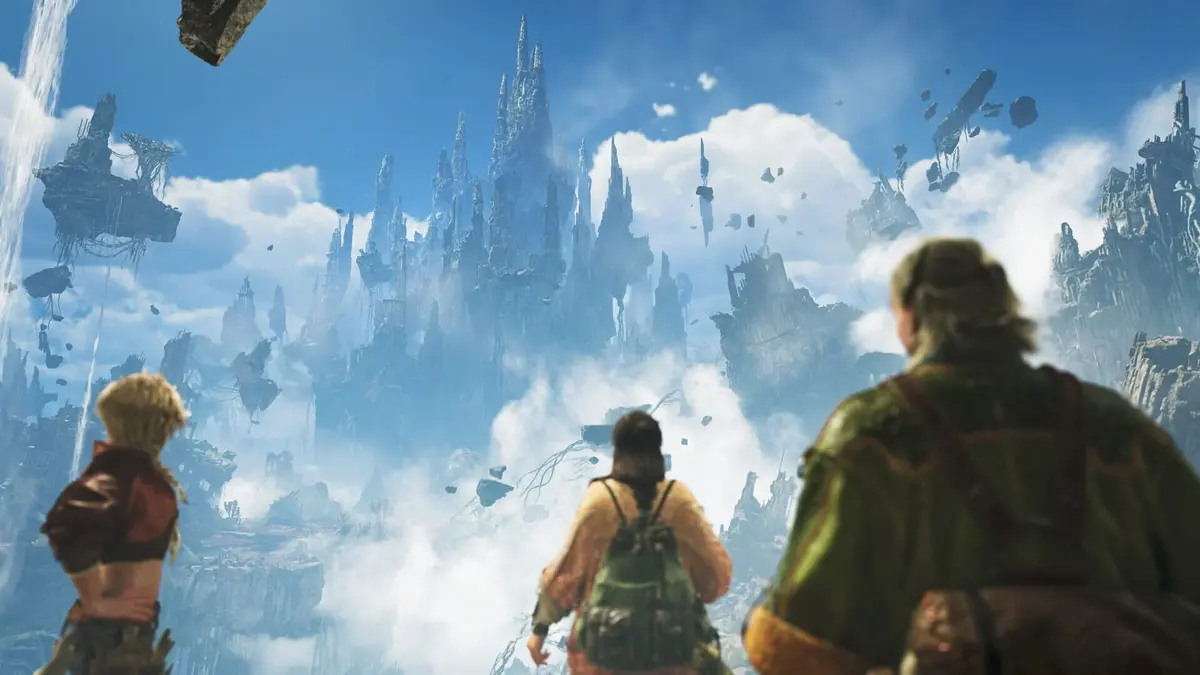
Monster Hunter Wilds: Ascendance is asking players to rebuild muscle memory across all 14 weapons. The Boost Bracer is a temporary combat state charged through aggression, then spent to access weapon-specific attacks, combo branches, and defensive improvements. This is the expansion’s real mechanical proposition: every familiar weapon gains a second operating mode.
That makes Boost Bracer more consequential than a routine batch of post-launch moves. Capcom is attaching the system to a paid expansion due in 2027, alongside new quest ranks, locales, monsters, and the continuation of Wilds’ story. The question is whether those added actions deepen each weapon’s existing rhythm or become a mandatory rev-up sequence before hunters can reach the interesting part.
Table of Contents (5)
Boost Bracer turns pressure into a temporary moveset
The basic loop is clear. Attack monsters to build Boost Bracer energy. Trigger a Boost Driver, or a weapon-specific activation action, and the hunter enters the temporary Boosted state. During that window, enhanced actions and new attack derivations become available.
Capcom’s framing matters here. Boost is tied to sustained pressure rather than a passive equipment bonus, so players who can stay engaged earn access to the expanded kit. That fits Monster Hunter’s long-standing preference for commitment and positioning over cooldown whack-a-mole. It also places an extra demand on weapons that already have a lot to monitor: resources, stance changes, counters, ammunition, songs, coatings, phials, gauges, and now a combat state layered over the top.
The defensive element deserves more scrutiny than the trailers’ spectacle. Boosted state improves defense, including more effective guarding. If that benefit is strong enough to reliably absorb dangerous pressure, Boost Bracer could reshape when players choose to stand their ground instead of disengaging. If it is minor, it will mostly serve as visual garnish around the new attacks. Capcom has not published the numbers that settle that question: no motion values, duration, cooldowns, or frame data.
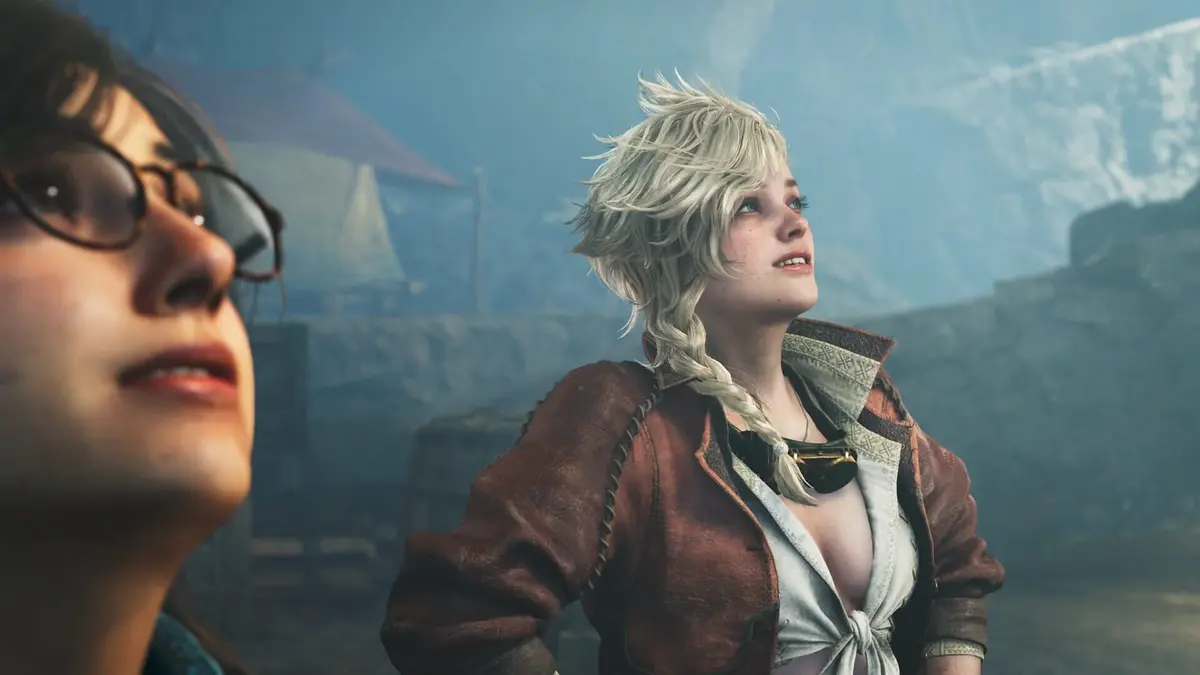
Great Sword shows a weapon gaining routes, not a simple damage buff
The first weapon breakdown, released September 2, 2026, focuses on Great Sword. Its Boost Driver flings the hunter forward, giving a famously deliberate weapon a direct repositioning tool. Boosted Actions then add explosive charged slashes and the ability to chain offset attacks together.
That is the useful part of this reveal. Great Sword’s Boosted state changes three practical decisions at once: how it closes distance, where it commits to a charge, and whether an incoming hit becomes an offset opportunity. The expansion is not merely handing Great Sword a larger number with more sparks. It is creating alternate routes through a hunt’s key moments.
The risk is routine. Monster Hunter works because powerful actions usually have a cost: setup time, positioning risk, resource management, or all three. A universal temporary power state can flatten that identity if each weapon’s optimal play becomes “fill gauge, activate Boost, perform highlighted sequence.” The Clutch Claw era showed how quickly a broadly useful system can stop feeling optional once monster tuning assumes players use it.
All 14 weapons are getting Boosted Actions, but only one full case study exists
Capcom has confirmed unique Boosted Actions for every weapon type and began a daily weapon-video schedule with Great Sword. The full move lists for the remaining 13 weapons have not been published. That means claims that Boost Bracer will fix, transform, or ruin a specific weapon are premature; there is no complete kit to evaluate yet.
What is already established is the design direction. Each weapon’s trigger can differ, Boost unlocks branching actions rather than only enhanced damage, and the mechanic sits on top of the existing Wilds moveset. Players should expect to relearn combo routing, especially on weapons whose current identity depends on strict resource cycles or counter timing.
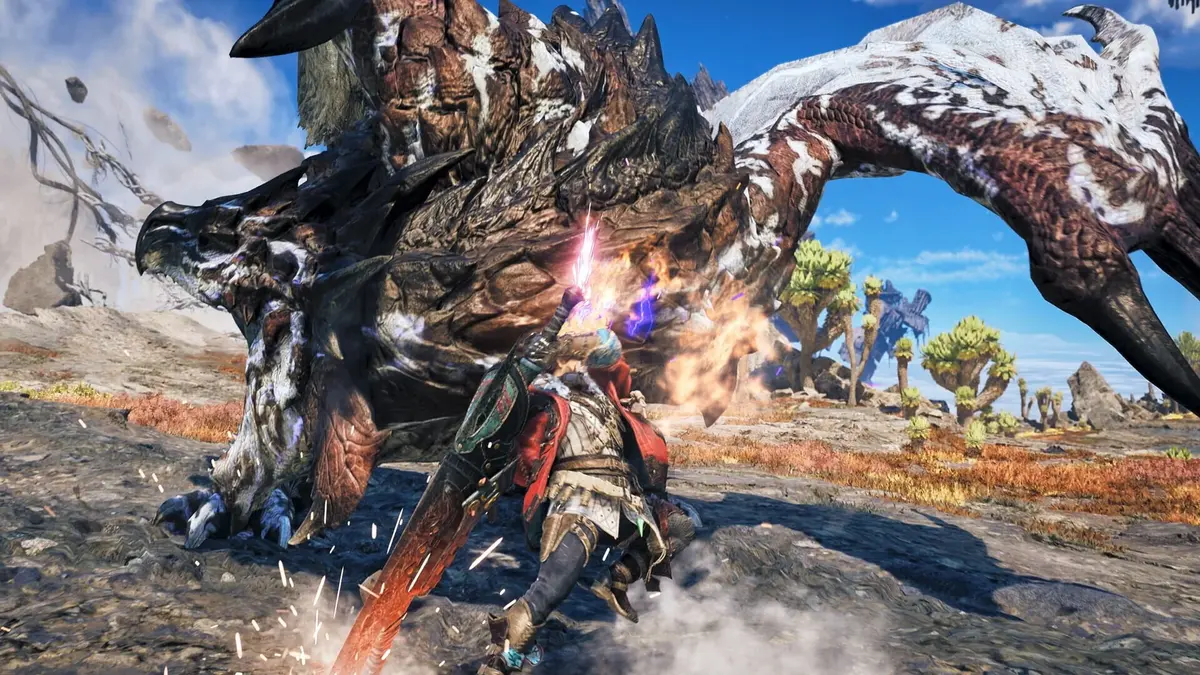
- Great Sword: Forward-moving Boost Driver, explosive charged slashes, and chainable offset attacks are confirmed.
- The other 13 weapon types: Each receives unique Boosted Actions, with individual move details still rolling out through Capcom’s daily showcases.
- Every weapon: Build pressure through attacks, enter Boost through Boost Driver or a weapon-specific action, then access a temporary expanded combat kit.
The real test is whether Boost creates choices under pressure
“Devil May Cry-style” spectacle is an easy comparison whenever Capcom puts a glowing, aggressive transformation state on screen. It is also shallow. Monster Hunter’s combat lives or dies on whether a tool changes hunt decisions, not whether it looks expensive in a trailer.
Boost Bracer works if it gives hunters meaningful forks: spend the state for safer defense, use it to force a punish window, reposition into a weak point, or save it for a weapon’s strongest conversion sequence. It becomes clutter if the correct answer is always immediate activation followed by a fixed damage string. The daily breakdowns need to prove that the system has more depth than a universal “press here for the expansion moves” button.
What to watch before Ascendance launches
Watch the next 13 weapon showcases for three specifics: whether Boost activation consumes an existing weapon resource, whether the defensive upgrades create new counterplay options, and whether Boosted attacks retain meaningful recovery and positioning risk. Those details determine whether the Bracer rewards mastery or simply raises the required maintenance load.
Ascendance remains scheduled for 2027 on PlayStation 5, Xbox Series X|S, and PC. It requires the base game and completion of the 7★ assignment “Awaking From a Dream.” Capcom has not announced a final release date or price. Until the full weapon series is public, Great Sword is the only reliable blueprint: Boost Bracer is designed to alter combat flow, not merely decorate it.
FinalBoss // Gear
Level up your setup
01Top-rated gaming headsetson Amazon→02High-refresh gaming monitorson Amazon→03Gaming chairson Amazon→04Discounted game keyson Kinguin→Affiliate links · As an Amazon Associate, FinalBoss earns from qualifying purchases.
Want to Level Up Your Gaming?
Get access to exclusive strategies, hidden tips, and pro-level insights that we don't share publicly.
Ultimate Gaming Strategy Guide + Weekly Pro Tips