
This update caught my attention because Monster Hunter Wilds’ PC launch had long been hampered by stutters and wild frame swings – and this patch is the first one that actually made the game feel reliably playable on my rig.
Monster Hunter Wilds update 1.040.03.01: real PC fixes, real improvements – but not a finish line
- Capcom’s patch targets CPU/GPU load: less shader warming, better texture streaming, and new CPU-focused options.
- My tests (Ryzen 5 5600x + RTX 3080) show far fewer drops and a more consistent 45-70 FPS range; 1% lows improved for many users.
- Handhelds like Steam Deck and ROG Ally users report big gains; high‑res texture pack uses less VRAM and disk space (you’ll redownload ~31GB).
- Not a complete fix – peak FPS may not increase for high-end rigs, and Capcom still needs more tuning before any expansion launches.
{{INFO_TABLE_START}}
Publisher|Capcom
Release Date|Live now (patch 1.040.03.01)
Category|Action RPG / Performance Patch
Platform|PC (Steam) — improvements also affect handheld PCs
{{INFO_TABLE_END}}
Capcom’s latest Steam patch for Monster Hunter Wilds is explicitly performance-focused. The notes call out reduced shader warming, improved texture streaming, and a smaller, less VRAM-hungry high-resolution texture pack. There are also new CPU-targeted graphics options (animation quality, endemic life density, wet surfaces, lower volumetric fog presets) so players can tune CPU bottlenecks without gutting visual fidelity entirely.
Why this matters: Wilds’ core combat and world design are legitimately excellent — but inconsistent framerates and microstutters had been tarnishing the experience, especially in dense zones and early-session shader compilations. This patch doesn’t reinvent the rendering pipeline, but it addresses many of the practical pain points that make the game feel uneven.
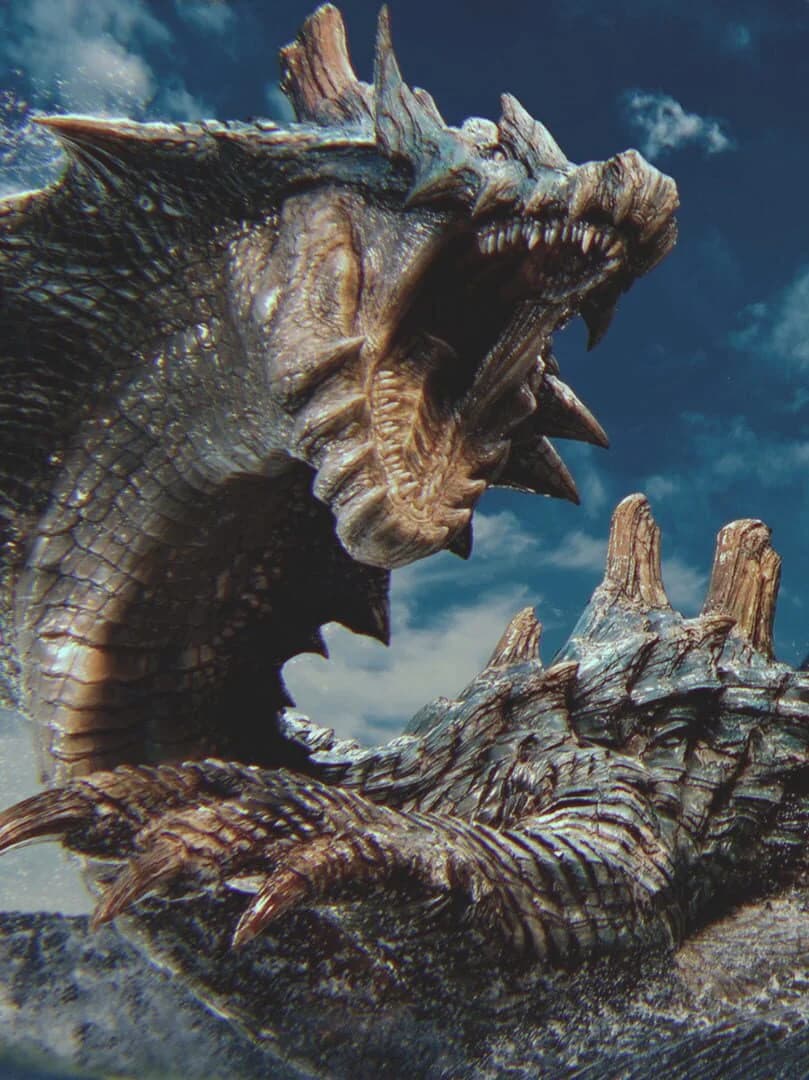
My hands-on: on a Ryzen 5 5600x, RTX 3080, and 32GB of RAM I saw a noticeable difference. In lighter encounters my framerate sat in the high 50s to 60s and stayed there instead of dipping frequently into the 40s. In busier fights (Omega Planetes with NPC support) averages climbed into the 70s at the start and then settled between 45-60 in the worst sections. The key change is consistency — those jarring drops are far less common.
Community signals back that up. Several mid-range and handheld users report fewer hitching events and improved 1% lows — the metric that most reflects perceived smoothness. Steam Deck owners say this is one of the most dramatic performance updates they’ve seen, and ROG Ally users report meaningful FPS gains at scaled resolutions.
Other welcome touches: the high-resolution texture pack now occupies roughly 45GB less overall, though you must redownload about 31GB for the new pack. Capcom also fixed a UI/asset issue nicknamed the ‘DLC cat’ that caused performance plunges in hubs — a small change that improves day-to-day playability.
Where this still falls short
Don’t expect your top-end framerate to leap dramatically if you already had a beefy PC. The patch focuses on smoothing lows and removing stutters more than raising peak FPS. Some pockets (very dense later-game scenarios) still dip into the 40s on my system. Capcom has improved stability and provided meaningful configuration options, but the job isn’t finished — more engine-level optimizations are still desirable, especially ahead of any Master Rank expansion.

Practical advice: update your GPU drivers (NVIDIA GeForce 581.57+ or AMD Radeon 25.9.1/25.9.2), re-run the in-game graphics checklist, and experiment with the new CPU settings if you were previously CPU-bound. For handheld users, try the new presets and reduced fog/animation options first — they appear to buy the most consistent gains.
What this means for players
- If stutters and 1% lows were the thing that kept you from enjoying Wilds on PC, this patch materially helps.
- High‑end players will see smoother runs but not necessarily higher peak FPS — expect stability improvements over outright uplift.
- Handheld and mid-range systems benefit disproportionately; the reduced texture pack size is a welcome storage/VRAM win.
- Capcom still needs to polish further before Wilds can claim a clean bill of health on PC, especially if an expansion is coming.
TL;DR: Patch 1.040.03.01 is the most meaningful performance step Wilds has had on PC — fewer stutters, steadier frame pacing, new CPU options, and a slimmer texture pack. It doesn’t fix everything, but it makes the game feel substantially closer to the high-quality Monster Hunter experience it aims to be.
FinalBoss // Gear
Level up your setup
01Graphics cardson Amazon→02Gaming laptopson Amazon→03High-refresh gaming monitorson Amazon→04Discounted game keyson Kinguin→Affiliate links · As an Amazon Associate, FinalBoss earns from qualifying purchases.