
Monster Hunter Wilds’ Sales Surge Stalled — What Went Wrong and What Players Should Do Next
Game intel
Monster Hunter Wilds
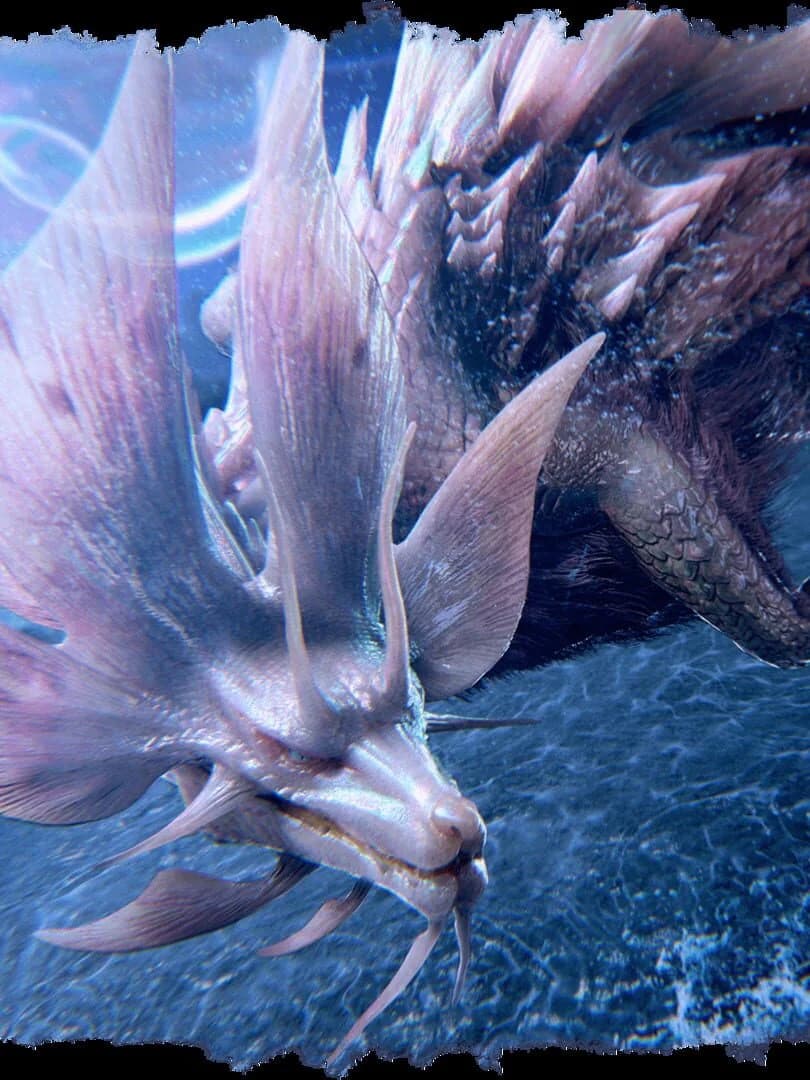
The second Title Update for Monster Hunter Wilds features the return of Lagiacrus and Seregios, Arch-Tempered Uth Duna, layered weapons, and the Festival of Ac…
Monster Hunter Wilds’ Rocket Start Just Hit Turbulence
Monster Hunter Wilds exploding past 10 million copies in its first month didn’t surprise me-this series lives on word-of-mouth hunts and “one more run” energy. What did surprise me is how fast momentum cooled. After Capcom celebrated 10.5 million, sales have trickled in at a fraction of launch pace-some trackers peg the most recent quarter at roughly 160,000 extra units. For a franchise that turned World and Rise into long-tail juggernauts, that slowdown sets off alarms.
Key Takeaways
- Wilds’ sprint to 10M+ was real-but the long tail stalled hard, adding only a few hundred thousand since.
- Technical wobbles at launch (soft image on PS5 non-Pro, heavy PC reliance on DLSS/FSR) dented word of mouth.
- Capcom is already discounting (~20% off) and may need a clearer content cadence or a sizeable expansion.
- A potential Switch 2 version would widen the funnel, but that’s rumor territory until it’s official.
Breaking Down the Slowdown
First, the numbers. Capcom’s own brag—10.5 million—put Wilds instantly among its top sellers. Then the faucet turned to a drip. Estimates vary, but we’re talking hundreds of thousands over months, not millions. That’s a sharp contrast to World’s steady climb and Rise’s second wind after its PC release and Sunbreak expansion.
Capcom has partially blamed the price of entry for PS5, especially in Japan where hardware plus game and subscriptions stack into a painful bill. There’s truth there; the install base that powered World was PS4-sized, not PS5-sized. But that explanation doesn’t cover everything, especially when Wilds launched around €50 in parts of Europe and slid to −20% promos by June. If people are hesitating at a discounted price, it’s not just sticker shock.
The bigger hit came from day-one polish. On PC, performance strongly leaned on DLSS/FSR to stay smooth, and on a non-Pro PS5, image sharpness turned into a recurring complaint. None of this makes the game unplayable—it’s Monster Hunter, the loop slaps—but it dulls the hype cycle and pushes fence-sitters into “I’ll wait for patches or the Master/Ultimate edition.” In 2025’s softer market, with spending down and unit sales slipping even as average prices rise, gamers are more selective. A shaky first impression is expensive.
Competition matters, too. Wilds launched into a calendar packed with ongoing live-service grinds and backlogs a mile long. Monster Hunter thrives when it’s the social event every squad rallies around. If early concurrency dips—some reports point to a severe drop from launch peaks—matchmaking feels slower, streams move on, and the casual crowd stops checking back.
The Real Story for Players
I’ve poured ungodly hours into World + Iceborne and chipped away at Rise on Switch/PC. Those games didn’t just launch well; they stuck because Capcom kept delivering monsters, events, and meaningful endgame reasons to log in. With Wilds, the post-launch story has been quieter: a second free update landed by June alongside discounts, but nothing on the scale of an Iceborne or Sunbreak-level expansion—at least not yet.
FinalBoss // Gear
Level up your setup
01Top-rated gaming headsetson Amazon→02High-refresh gaming monitorson Amazon→03Gaming chairson Amazon→04Discounted game keyson Kinguin→Affiliate links · As an Amazon Associate, FinalBoss earns from qualifying purchases.
If you skipped Wilds because of PC performance, now’s a decent time to revisit patch notes and recent benchmarks. Upscalers do the heavy lifting, but stability has improved since launch. On PS5 non-Pro, expectations management is key: it looks fine in motion but it’s not a screen-licker, and that’s okay if your priority is framerate and hunts with friends.
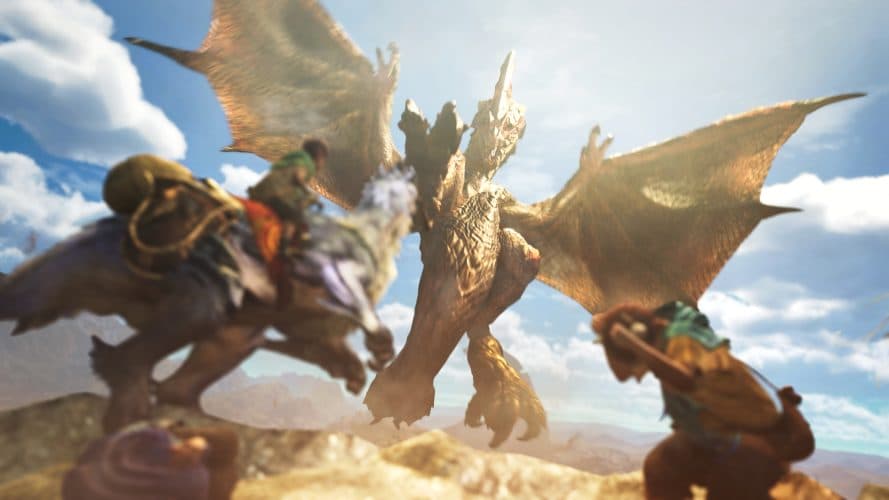
If you’re new to the series or sat out Rise, a discounted Wilds is a strong co-op package—great monster designs, that familiar dance of tells and punishes, build crafting that gets its hooks in. The caveat is momentum: finding squads is always easiest in the launch window. The core community’s still there (Monster Hunter fans don’t just quit), but the drop-off means you’ll get the best experience if you bring a friend or two.
Patience players, you have leverage. Capcom’s pattern is clear: launch a base game, then go big with a paid expansion that polishes systems and floods in late-game content. If you loved how Iceborne crystallized World or how Sunbreak re-energized Rise, waiting for a “Master/Ultimate”-style bundle in 2026 isn’t crazy. Your wallet, your call.
Industry Context: Why Capcom’s Blame Game Only Goes So Far
Yes, the market’s tighter and the PS5 is pricier than the PS4 era. But Capcom also set expectations. Wilds arrived with next-gen ambition and launched at a player-friendly price, then hit immediate discounts—signaling the long tail wasn’t where they wanted it. Technical rough edges, a muted live-ops cadence, and the absence (so far) of a marquee expansion matter more than macroeconomics. Players have learned to wait, and Capcom taught them that with Iceborne and Sunbreak.

As for a Switch 2 version: smart move if it happens. Rise’s success on Switch proved how deadly Monster Hunter can be on a portable-first platform. But until it’s announced, treat it as a bonus possibility, not a buying decision.
What I’m Watching Next
- Technical patches that reduce upscaler reliance on mid-range PCs and sharpen console image quality.
- A clear content roadmap—new monsters, layered armor, events that actually shift the meta.
- Pricing moves: deeper discounts or a complete edition window.
- Any hint of a major expansion or platform expansion beyond PS5/Xbox Series/PC.
TL;DR
Wilds sprinted to 10M and then hit a wall. Launch-day tech issues, a quieter post-launch plan, and a cautious 2025 market dulled the long tail. If you want in, grab it on sale and squad up; if you prefer the best version of Monster Hunter, waiting for a big expansion or a complete edition is the safer bet.