
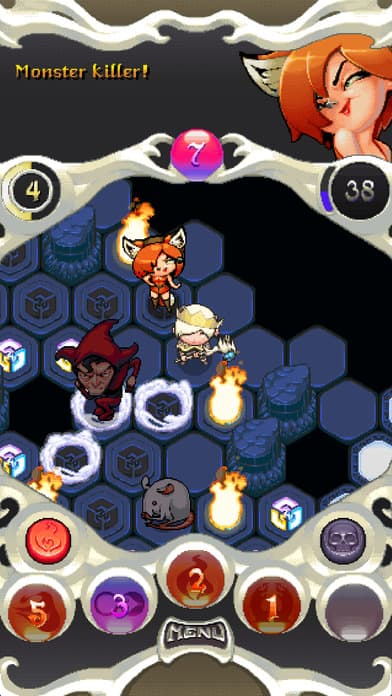
Monster Walk Turns Your Steps Into an RPG — No GPS, No FOMO, But Is It Fun?
Game intel
Monster Walk: Step Adventure
A step-powered RPG that doesn’t track you? Now you’ve got my attention
I’ve played my share of “fitness meets game” apps-from Pokémon Go’s battery-melting GPS grind to Pikmin Bloom’s chill flower walks and Run Legends’ co-op sprints. Talofa Games’ Monster Walk: Step Adventure caught my eye because it ditches GPS altogether and still promises a full RPG loop: exploration, real-time battles, creature collecting, and base building. It launches October 9 in the United States and Europe on iOS and Android. That “no GPS, no pressure” pitch could be the sweet spot for players who want progress without location tracking, competitive ladders, or FOMO events.
Key takeaways
- No GPS tracking: lower battery drain and better privacy, while still turning steps into exploration, monsters, and upgrades.
- Real-time battles claim “precise movement and timing” – potentially more game-first than passive step counters.
- Early access saw 200 million steps logged; 15k pre-registrations is modest but suggests an engaged niche.
- Open questions: monetization, anti-cheat for steps, and whether the combat/base-building have real depth.
Breaking down the announcement
Talofa Games, the studio behind Run Legends, is rolling out Monster Walk as a step-driven RPG where your daily movement fuels everything. Walk to explore a mysterious world, gather resources, and grow a roster of magical creatures. Those steps also feed real-time combat-marketing calls out “precise movement and timing”—plus base-building that expands as you move. The studio says it wants to make “fitness feel like play,” and to its credit, that’s a clearer, more player-friendly aim than the usual “gamify your cardio” pitch.
The no-GPS angle is a big swing. Instead of checking where you are, Monster Walk appears to pull in step counts from your phone’s sensors (and likely your system health service). Translation: stairs at home, treadmill sessions, and neighborhood loops all contribute without the map-chasing that dominates location games. It’s also kinder on batteries and privacy, which have become real sticking points in the health-and-games overlap.
Why this matters now
We’ve seen the post-Pokémon Go ecosystem fragment: some titles double down on GPS (with raids, regionals, and events), while others aim for gentler “walk and chill” loops. A lot of those lighter apps feel like pedometers with pretty skins. Monster Walk is promising something different: a game-first structure with battles, team composition, and a base to develop, all powered by your steps. If Talofa delivers meaningful choices—synergistic monster abilities, skill-driven combat timing, and base upgrades that change your run-to-run strategy—that’s a compelling niche.
The studio has some chops here. Run Legends pulled in over half a million players and leaned into movement as core input, not just a number. Monster Walk’s early access tally of 200 million steps suggests people do come back when the loop respects their time. The 15,000 pre-registrations is not blockbuster scale, but fitness-forward games often grow slowly and steadily as routines set in. If the day-30 experience is still engaging, that’s what matters.
How it stacks up to the usual suspects
Compared to Pokémon Go, Monster Walk trades social raids and map-based collectibles for a personal, privacy-friendly progression. That means no “drive across town for a spawn” nonsense, but also fewer serendipitous social moments. Against Pikmin Bloom, Monster Walk sounds more mechanically chewy: real-time battles and base-building beat out passive petal planting for anyone who wants agency. It also echoes the spirit of Zombies, Run! and other narrative fitness titles—movement as input, not surveillance.
I’m also into the stated “no competitive tracking.” Leaderboards can motivate, sure, but they can also be toxic and exclusionary. If Monster Walk leans into cozy progression, team-building synergies, and daily rituals, it could be the comforting, constructive alternative to a world that wants you min-maxing every calorie.
Want to Level Up Your Gaming?
Get access to exclusive strategies, hidden tips, and pro-level insights that we don't share publicly.
Ultimate Gaming Strategy Guide + Weekly Pro Tips
Monetization, anti-cheat, and other big questions
Let’s talk reality. Mobile RPGs live and die by monetization. Talofa isn’t detailing the economy here, but expect free-to-play systems. The hope: cosmetics, fair progression boosts, and no hard caps that punish low-activity days. The fear: energy timers that throttle play or gacha mechanics for monster rarity. If your steps fuel core progression, the game needs to avoid turning movement into a currency sink.
Then there’s step integrity. Without GPS, clever players will try to shake or spoof their way to progress. Most modern step systems filter out unnatural cadence spikes, but if combat or resource gating hinges on steps, anti-cheat tuning becomes critical for a fair in-game economy. Battery life should be better than GPS-heavy titles, but frequent real-time battles and flashy effects can still drain quickly if you’re playing screen-on after a long walk.
What gamers need to know at launch
Monster Walk: Step Adventure is available October 9 on iOS and Android in the United States and Europe. The loop, as pitched: walk to unlock regions, gather resources, rescue and recruit monsters with unique powers, engage in timing-based real-time battles, and upgrade a base that grows with your daily activity. No GPS tracking, no competitive leaderboards. If you want something that turns your routine walks, commutes, or chores into tangible in-game progress—without broadcasting your location—this is absolutely worth a download to test.
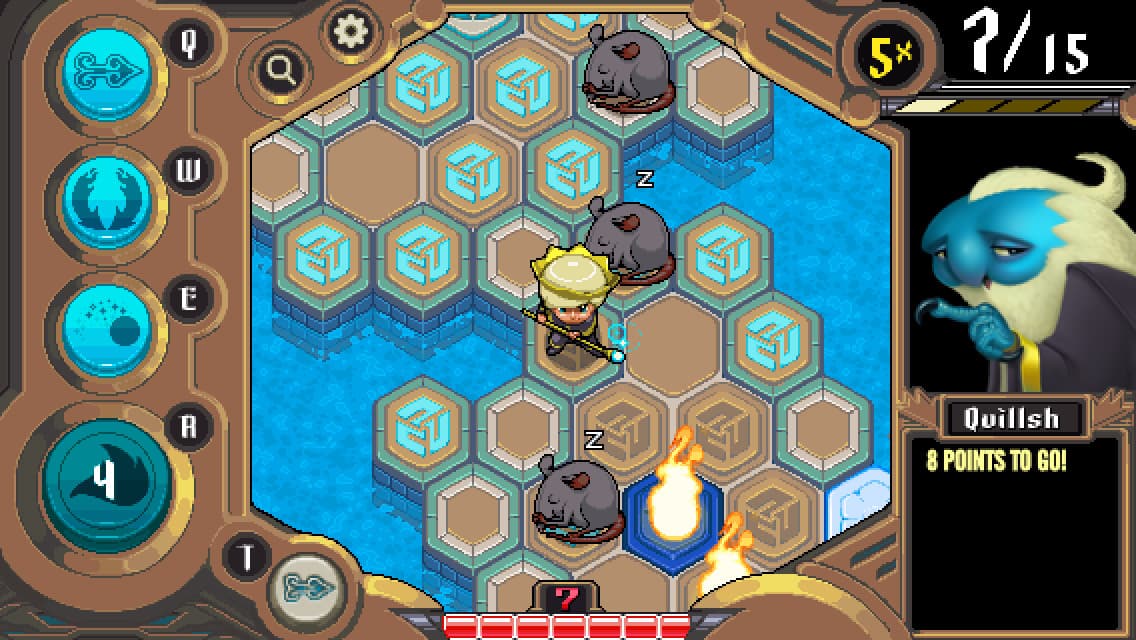
My advice: give it a week. See if the battle system feels responsive, if team-building has depth beyond power levels, and whether upgrades meaningfully change your daily goals. If you feel pushed toward microtransactions or hitting a step cap wall, bounce. But if the loop keeps rewarding the movement you were going to do anyway, Talofa might have cracked the “game-first fitness” design more convincingly than most.
TL;DR
Monster Walk turns everyday steps into an RPG with real-time battles, monster collecting, and base building—no GPS, no pressure. If Talofa nails fair monetization and meaningful combat depth, this could be the privacy-friendly, battery-sane alternative to location-heavy fitness games.