
Mortal Shell II isn’t getting a “big gameplay update” so much as it’s revealing the actual game it wants to be: a faster, stamina-free Soulslike set in a compact open world stuffed with more than 60 hand-made dungeons and a bigger, riskier take on its signature Shell system.
The new 11-12 minute gameplay deep-dive from Cold Symmetry and Playstack lays out a sequel that isn’t just “more Mortal Shell.” It’s a structural reboot aimed at pushing a 30-person studio into the same conversation as the mid-tier Soulslike heavyweights.
Table of Contents (8)
Key takeaways
- No stamina bar: combat is now aggression-first, with positioning and recovery windows doing the balancing.
- Compact open world: interconnected regions, a central hub, and fast travel, plus 60+ handcrafted dungeons layered on top.
- Shell “ownership”: you play as the Harbinger, inhabiting fallen warriors’ Shells with distinct talent trees and playstyles.
- Small team, big promise: ~30 devs promising dozens of dungeons and ~eight Shells looks ambitious verging on dangerous.
- Open beta hits this summer, with launch planned on PC, PS5, and Xbox Series X|S later this year.
This sequel wants to be a world, not just a gauntlet
The first Mortal Shell was basically a moody boss gauntlet wrapped in a pseudo-hub structure. Tight, focused, a bit sparse, and very obviously built on a budget. Mortal Shell II steps out of that lane.
The new footage shows a “compact open world” rather than self-contained zones. Think more Lords of the Fallen 2023 than “pick a door from the hub.” You’ve got:
- A central tower-like structure (Marrow Keep) that functions as hub and fast-travel anchor.
- Interconnected regions – ruined temples, misty forests, icy graveyards, bone-and-brick fortresses – visible from distance and reached via twisting paths.
- Over 60 “dungeons”: side areas, mini-mazes, and optional combat spaces layered onto that overworld rather than isolated challenge rooms.
“Compact” is the important word here. This isn’t pretending to be Elden Ring. It’s more like a dense diorama: smaller footprint, high encounter density, lots of verticality, and shortcuts curling back into earlier spaces.
That’s the smart play for a 30-person team. The open world is there to frame pacing and discovery, not to drown you in empty fields. The question is whether “60+ handcrafted dungeons” means clever bite-sized tests, or a repetition problem waiting to happen.
No stamina bar, no excuse for passive play
The headline mechanical change is brutal in its simplicity: Mortal Shell II throws out the classic stamina bar. Attacks, dodges, and blocks aren’t limited by a green meter slowly refilling while you circle-strafe a boss.
Instead, the game leans on:
- Animation commitment – heavy swings and big moves have long recoveries you can be punished in.
- Enemy pressure – mobs and bosses keep coming, forcing you to move and commit rather than turtle.
- Cooldown-style abilities – certain Shell talents (like shoulder charges or hook pulls) have their own internal pacing.
The footage makes the shift obvious. Where the original Mortal Shell had that familiar Soulslike rhythm – two swings, step back, wait for green to refill – Mortal Shell II plays more like an aggressive character action game sitting on Souls DNA.
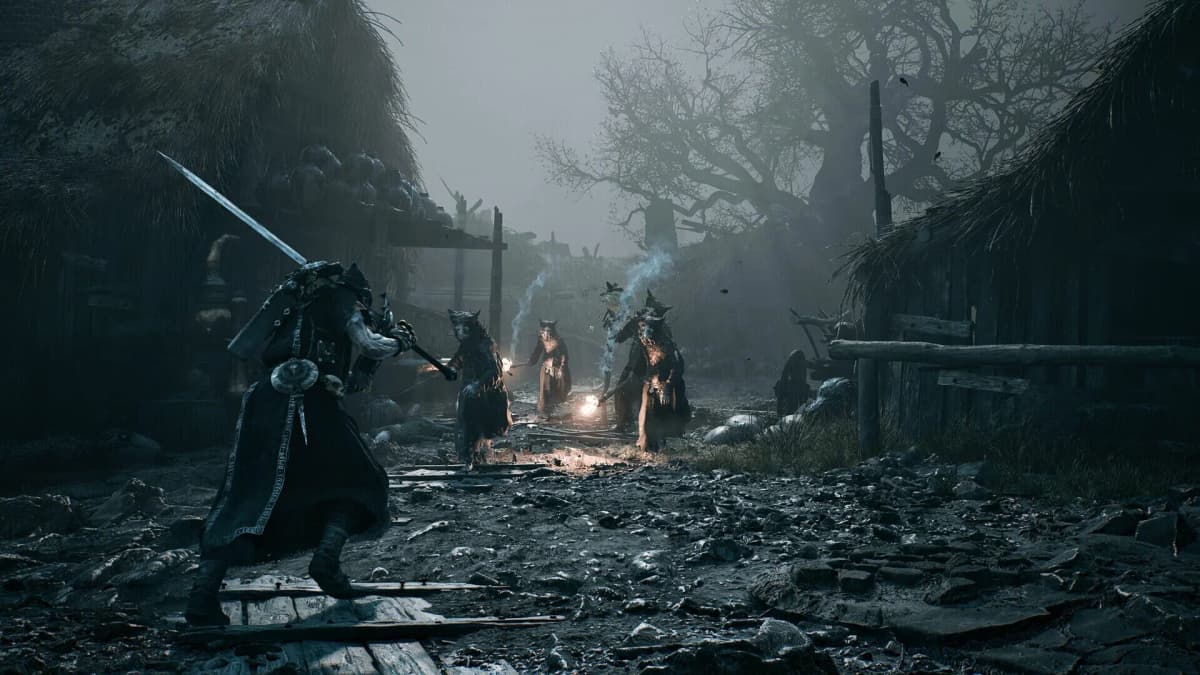
This is the move that could either make the combat sing or sink it. Remove stamina and you risk players mashing out endless light attacks. To compensate, Cold Symmetry is clearly tuning enemies to be faster and more opportunistic, with tracking attacks, delayed swings, and multi-hit strings that punish greed rather than just bar management.
If I had one question for the combat designer, it’d be simple: how are you preventing optimal play from devolving into “just spam light attacks and dodge every big swing”? The footage hints at an answer – multi-weapon sets, positional damage, punishable whiffs – but we won’t know if it actually lands until people get their hands on the beta.
Shell ownership might finally give the game an identity
The Shell gimmick was the first game’s best idea and its biggest missed opportunity. Four shells, cool concept, not enough systemic depth to make them feel like true “builds” rather than armored character slots.
Mortal Shell II doubles down. You play as the Harbinger, a kind of cursed entity that can possess the bodies – “Shells” – of fallen warriors. Each Shell is its own toolkit, with its own talents, health/defense profile, and combat rhythm.
The new gameplay specifically shows three:
- Tiel the Acolyte – rogue-flavored, quick dodges, lighter weapons, clearly built for hit-and-run playstyles.
- Eredrim the Venerable – heavy armor, big weapons, a Shoulder Bash that lets you brute-force space and stagger foes.
- Proxima the Broodseeker – more arcane/finesse: a hook that drags enemies in, into follow-up lightning strikes.
Impressions from extended footage suggest there are roughly eight Shells planned in total. Crucially, each Shell has its own talent tree and upgrade path. That’s the “ownership” part: you aren’t just slotting into a body; you’re investing into that body long-term, unlocking moves and passives that change how it fights.
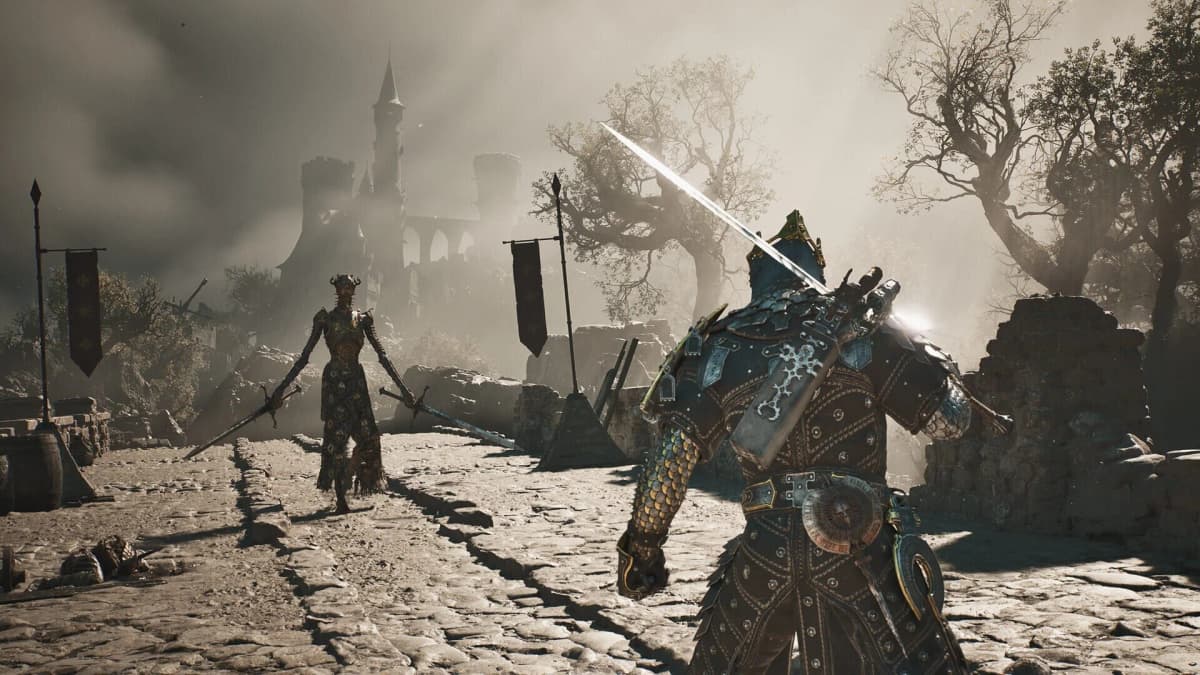
Done right, this solves two problems:
- Build identity – instead of generic stats, your “build” is whichever fallen warrior you’ve committed to and tuned.
- Replay structure – the compact open world and 60+ dungeons give different Shells different routes and optimal targets.
Done badly, it just becomes eight slightly different ways to mash heavy attack and dodge. The footage shows enough distinct animation sets and mechanics to be hopeful, but we’ve been burned by “class variety” that’s really stat shuffling before.
Sixty dungeons and a 30-person team: ambition vs. reality
The number everyone’s putting in headlines is 60+. More than sixty handcrafted dungeons, on top of a bespoke open world, with multiple Shells, bosses, landmarks, and side content. All from a studio of about 30 people.
On paper, that’s heroic. In practice, a number that large can mean a lot of things:
- Genuinely distinct, tightly designed combat spaces with their own hooks and rewards.
- Or a bunch of short, palette-swapped arenas with similar layouts and slightly different enemies.
The footage we have shows a good spread: crumbling chapels, flooded halls, bony corridors, more open graveyards with vertical paths, and a few bigger boss arenas. Level of detail is high, and there’s a sense of environmental storytelling that was already a strength of the first game.
But the uncomfortable point is this: small teams going “wider” often pay for it in repetition. We’ve seen this pattern across mid-budget Soulslikes – strong core combat, then copy-paste side dungeons to hit marketing bullet points.
The thing to watch isn’t just the count, it’s the role of those dungeons. Are they optional tests with unique modifiers and rewards? Are some of them multi-stage mini-campaigns? Or are they mainly XP and loot farms you forget five minutes later?
Systems, structure, and the usual Soulslike comforts
Underneath the headline shifts, Mortal Shell II still ticks the expected genre boxes – just with its own slant.
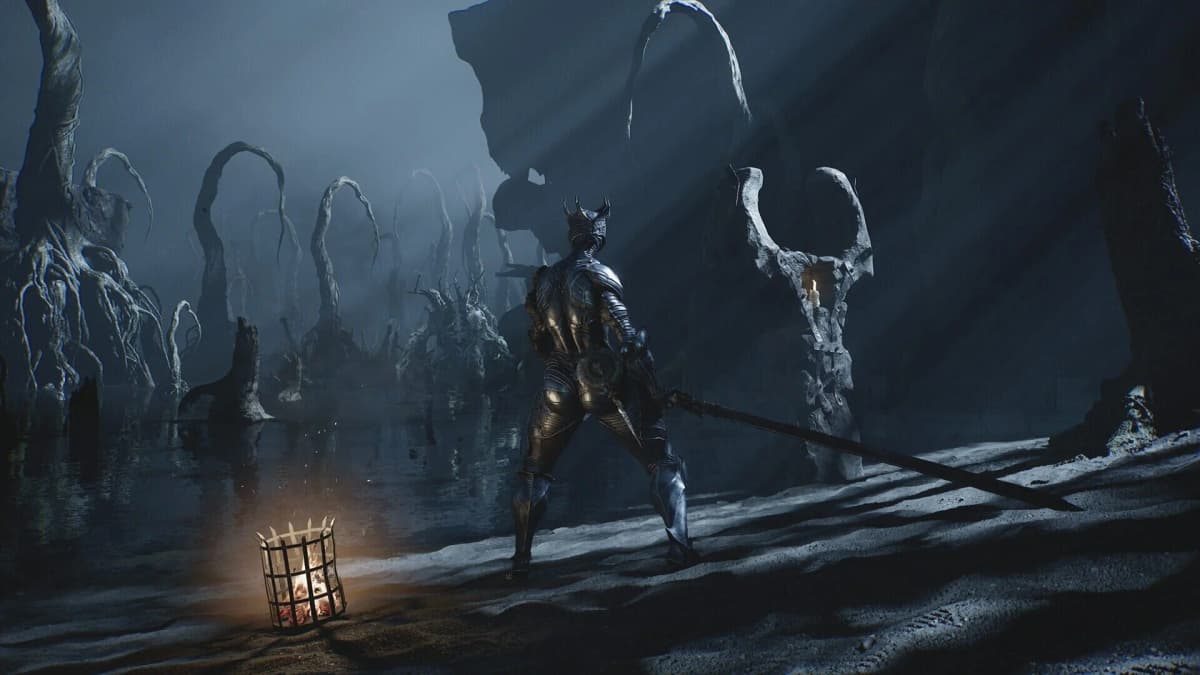
- Checkpoints: Bonfire-style altars where you rest, resupply, and likely spend whatever passes for currency to level your Shells.
- Fast travel: A comet-like effect zips you between discovered nodes, cutting down backtracking across the compact map.
- Weapons and tools: Medieval-inspired blades, lances, crossbows, and more exotic toys, each seemingly bound to certain Shell affinities.
- NPCs and returning faces: The grim priest Vlas and other familiar figures show up again, implying some continuity with the original’s bleak theology.
Structurally, this looks less like a pure experiment and more like a second draft. The original Mortal Shell was a proof of concept with some sharp edges – short runtime, spiky difficulty tuning, and a world that could feel empty between highlight fights.
Mortal Shell II is the team trying to answer, all at once: what if the same mood and combat brutality existed inside an actually explorable world, with clear progression scaffolding and more than four ways to play?
What to watch next
A lot of this looks promising on a curated gameplay reel. The real test starts when players stop treating Mortal Shell II as an underdog and start judging it against the current Soulslike field.
- Summer open beta: This is the make-or-break moment. If public hands-on reports say “combat feels weighty and aggressive without turning into spam,” Cold Symmetry is on the right track. If the words “floaty” or “button mashing” start trending around it, that no-stamina bet backfires.
- Dungeon variety impressions: Preview coverage after the beta will tell us quickly whether “60+ dungeons” means meaningful side content or just volume.
- Shell depth: Watch for how different Shells actually play over a 10–20 hour run. If players gravitate to one or two “meta” shells and ignore the rest, the system hasn’t gone far enough.
- Final release date and scope: The game is slated for PC, PS5, and Xbox Series X|S later this year. Any last-minute delays or scope cuts will say a lot about whether the studio bit off more than it could chew.
Mortal Shell II is trying to do the thing most AA Soulslikes talk about and few nail: keep the brutality, broaden the structure, and carve out a unique ruleset instead of photocopying FromSoft’s homework. The new gameplay deep-dive shows the intent. The beta will show whether the systems can actually carry it.
TL;DR
Mortal Shell II’s new 11–12 minute gameplay showcase reveals a stamina-free Soulslike built around Shell “ownership,” a compact interconnected open world, and more than 60 handcrafted dungeons. It matters because Cold Symmetry is using this sequel to step up from a linear, budget cult hit to a fully-fledged, exploration-driven action RPG with its own combat rules instead of just mimicking Dark Souls. The thing to watch now is the summer open beta: if the no-stamina combat feels controlled rather than spammy and those dozens of dungeons feel distinct, Mortal Shell II could be one of the few AA Soulslikes that actually grows into its own identity.
FinalBoss // Gear
Level up your setup
01Top-rated gaming headsetson Amazon→02High-refresh gaming monitorson Amazon→03Gaming chairson Amazon→04Discounted game keyson Kinguin→Affiliate links · As an Amazon Associate, FinalBoss earns from qualifying purchases.
Want to Level Up Your Gaming?
Get access to exclusive strategies, hidden tips, and pro-level insights that we don't share publicly.
Ultimate Gaming Strategy Guide + Weekly Pro Tips