
Table of Contents (7)
The woodworking story that exposed the lie I’d been telling myself about MMO crafting
The moment that finally broke my brain about MMO crafting didn’t happen in a game. It was a Reddit post about woodworking.
Someone was sick of how expensive custom furniture was, so they did the unhinged, deeply human thing: instead of paying a professional, they learned woodworking from scratch just to build the damn piece themselves. Months of research, thousands of dollars in tools, scrapped prototypes – all to avoid paying one big bill. Completely irrational on a spreadsheet, absolutely logical in a human brain that hates feeling dependent and gouged.
Reading that, I realised: that’s exactly how I treat crafting in MMORPGs. Not as a sensible way to get rich, but as this stubborn, slightly self-destructive push for control. I will spend ten hours levelling a profession so I can avoid spending ten minutes bargaining with some clown spamming trade chat.
Most MMO design seems to assume crafting is primarily an economic min-max game: professions exist so players can build huge fortunes, corner markets, and feed vibrant player-driven economies. But the more I watch how people actually behave – and the more I look back at my own history across games like ESO, New World, LotRO, Wynncraft, and the old EverQuest-style grinds – the more obvious it gets:
The average player is not levelling crafting to become Jeff Bezos in plate mail. They’re doing it to stop feeling powerless.
Self-sufficiency, aesthetics, the satisfaction of seeing “Crafted by Me” on your gear – that’s the real fuel. The profit gods only really bless a tiny sliver of obsessive crafters and spreadsheet freaks. Everyone else is basically that Reddit woodworker: sinking time and resources into skills that will never “pay back” in the conventional sense, and doing it anyway because it feels better than being at the mercy of drop rates and price-gougers.
My long, ugly history of chasing the “money profession” myth
I’ve been playing MMOs long enough to remember when people would unironically tell new players, “Just pick up X profession, it’s the best for gold.” Like there was some secret employee stock program and you just needed to choose the right one to retire early.
I fell for that mindset in basically every game that let me touch a workbench. If there was a guide promising easy coin from alchemy, blacksmithing, armorcraft, whatever – I was there, hammer in hand, ready to grind my way to economic freedom.
Here’s how it always went:
- Early levels feel amazing – you’re making useful stuff, saving some money, maybe even undercutting the clowns listing vendor trash for 300% markup.
- The mid-game hits, and suddenly every recipe demands rare mats from content you don’t even enjoy running.
- The market gets flooded by bot accounts and no-life crafters camping the auction house like it’s a full-time job.
- Endgame raids or dungeon sets show up and make your painstakingly crafted gear obsolete overnight.
By the time I hit cap in most games, my “money profession” was a money sink. Sure, I had some niche recipes and I could crank out consumables, but I was never one of the whales dictating prices. I was the schmuck who levelled a profession partly out of stubborn pride and partly out of sunk-cost delusion, then realised the real economic winners were the people willing to treat the auction house like E-Trade with dragons.
Then I started paying closer attention to how other people talked about crafting. Not the hardcore market barons – the rank-and-file players in guild chats, Discords, and game subreddits. The pattern was impossible to ignore:
- “I just want to make my own gear so I don’t have to pray for drops.”
- “I’m levelling this because I like the cosmetics.”
- “I want to help my friends kit out their alts.”
- “I hate trading, I’d rather be self-sufficient.”
Profit showed up in those conversations, but rarely as the primary driver. It was more like, “If I can make some gold on the side, cool.” Not, “This is my main income stream.”
Crafting as self-defense: beating RNG, gougers, and bad design
Look at Elder Scrolls Online. A huge chunk of the motivation to push crafting there isn’t about dominating the market, it’s about not being locked out of looks and options. Those Crafting Motifs that let you make gear in different styles? You can’t fully enjoy them unless your relevant skill line is ranked up, with weird, opaque rank requirements that the game barely explains. There are 50 levels, 10 ranks, and if someone isn’t already deep into guides and wikis, the whole thing is a mess to parse.
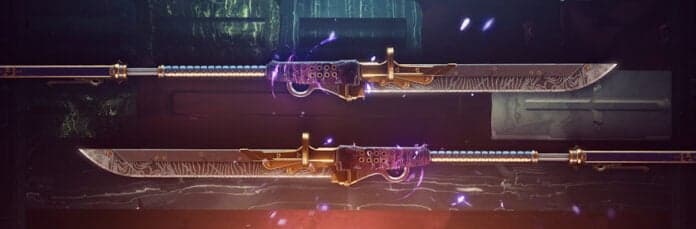
So players grind those lines because they want their character to look right, not because they’re planning to run a style cartel. It’s a way to escape both RNG (waiting for the perfect drop in the right look) and the market (paying a premium for someone who did that grind).
New World is another good case study. On paper, it’s got one of the more interesting crafting systems of the last few years. Higher skill means better results – not just in quality, but in quantity. Use 100 mats, get ~130 potions if you’re skilled enough. Gear score ranges scale with your crafting level, so a master crafter can squeeze way more power out of the same ingredients than some newbie chucking stuff into a station.
Is that attractive to market-minded players? Absolutely. But for a lot of people I’ve played with, the appeal wasn’t “I’ll get rich.” It was “I can reliably make my own best-in-slot gear without rolling the dice on drops” or “I can produce enough consumables so I’m not bleeding gold every raid night.”
Then there’s the Wynncraft crowd. Back in 2022, people were openly telling newcomers not to bother with crafting early on because it was a chore with almost no payoff until high levels. Only once classes hit the upper regions did crafted gear become this highly tuned, almost mandatory option if someone wanted the absolute best stats.
That’s self-sufficiency again – but sharpened to a min-max point. Crafting morphs into a late-game tool for squeezing out that last 5–10% of power, not an early-game cash printer. Most players are enduring the grind so they aren’t reliant on whoever happens to be online and advertising “WTS OP crafted weapon, pst,” not because they see themselves as merchant kings.
And running underneath all of this is an unspoken sentiment: people don’t trust the game to be generous, and they don’t trust the market to be fair. Crafting becomes a shield. It’s a way of saying, “If the raid never drops my shoulders and the auction house is stuffed with scams, I can still take care of myself.”
And running underneath all of this is an unspoken sentiment: people don’t trust the game to be generous, and they don’t trust the market to be fair. Crafting becomes a shield. It’s a way of saying, “If the raid never drops my shoulders and the auction house is stuffed with scams, I can still take care of myself.”
🎮 Get This Game at the Best Price
Compare prices instantly and save up to 80% on Steam keys with Kinguin — trusted by 15+ million gamers worldwide.
*Affiliate link — supports our independent coverage at no extra cost to you
Grind as gatekeeping: who actually gets rich from crafting?
Of course, there are players who get filthy rich off professions. I’ve known them. The ones running detailed spreadsheets, waking up at odd hours for market resets, buying out entire categories to relist at higher prices. These people turn grind into dominance.
Older EverQuest-style games were infamous for this. Spell crafting, for example, could be absurdly profitable because the grind to become a top-tier crafter was brutal. Only a handful of people on a server would push through that wall. Drops for certain items were unreliable, so everyone else either sucked it up or paid whatever those elites demanded.
Fast-forward to modern discussions around in-development MMOs like Pantheon, and you still see players advocating for that model. Tedious, time-consuming crafting is treated almost like a feature: if it’s painful enough, casuals won’t bother, competition will stay low, and the dedicated few can enjoy a stable, high-profit market selling dungeon-grade gear and buff items.
From a pure economic standpoint, that logic is sound. Scarcity plus necessity equals profit. But it exposes the core problem with how a lot of MMO design frames crafting: if the only people who can make real money are those who treat it like a second job, was this system ever really for the average player?
The grind doesn’t just deter tourists; it actively shapes who participates in the economy at all. Systems that are grindy, opaque, and front-loaded with boring steps don’t just “reward dedication.” They filter out anyone whose main motivation is “I want to make my own gear and maybe a bit of extra cash,” and leave the sandbox to the sharks.

Everyone else? They level just enough to avoid feeling ripped off, then tap out once the fun evaporates. That line about crafting becoming “ponderous” once the initial gathering thrill wears off comes up constantly in games like Lord of the Rings Online. People enjoy refining raw materials, turning their mining or forestry runs into something tangible. The moment the system demands they sink hours into mindless repetition for marginal improvement, they bail. Personal utility: good. Pretending to be a market specialist: hard pass.
The raid gear problem: when devs make crafters feel like idiots
There’s another ugly side to this that rarely gets acknowledged: how often endgame design casually spits in the face of anyone who invested deeply in crafting.
Plenty of MMOs follow the same depressing script:
- Level crafting all the way up.
- Finally unlock recipes that require rare, expensive materials.
- Make that shiny piece of gear that’s supposed to be a big moment.
- Step into endgame, and the first raid wing throws strictly better items at the party like confetti.
The result is predictable. Crafters feel like suckers. All those hours, all that investment, and their pinnacle creations are sidegrades at best, levelling trash at worst. Editorials and forum threads slam these systems as “worthless” at the top end, and it’s hard to argue with that when the numbers on raid drops just outpace crafted items across the board.
There are exceptions – games where crafted gear remains relevant across multiple tiers, or where consumables and support items are so central that crafters never lose their place. But they’re exceptions because, somewhere along the way, designers started treating raids and dungeons as the only legitimate delivery mechanism for true power, and professions got shunted into this weird hybrid role of tutorial content, flavour, and half-baked economic layer.
Combine that with opaque systems like ESO’s rank structure, delayed ROI like Wynncraft’s high-level-focused crafting scene, and grind walls designed to keep casuals out, and it’s no wonder many players now see crafting primarily as a personal project. A side hustle, not a core progression pillar.
The real reason I still craft, even when it’s “inefficient”
Here’s where I’ve landed after years of lying to myself that I was going to become some market mogul: I don’t care if crafting is my main source of income anymore. That ship has sailed. I don’t have the time, the patience, or the appetite to play 4D chess on the auction house every night.
But I am absolutely still going to level professions. Aggressively. Stubbornly. Even when the gold-per-hour numbers say I’m being an idiot.
Because for me, crafting scratches three itches that no dungeon or raid ever will:
- Control – The ability to decide what my character wears and uses without being beholden to loot tables or market trolls is worth more to me than some theoretical profit margin. If I can log in after work, gather my own stuff, and make my own upgrades on my own schedule, that’s a win.
- Identity – Seeing “Crafted by [my name]” on a guildmate’s gear or knowing half the raid is running in potions I brewed does more for my attachment to a character than another +2% crit ever will.
- Process satisfaction – Approaching Infinity has this neat touch where crafting level directly boosts item stats. It turns the act itself into a feeling of growth. Even in games that don’t go that far, turning random mats into something useful scratches a builder brain in a way that raw combat doesn’t.
I’ve also accepted that sometimes I’m just levelling a profession because I want to see how it works. I’m the idiot who will try every trade in a new MMO at least once, not because it’s “smart,” but because there’s something inherently appealing about being the person who knows how to make things.
That’s the same impulse as the Reddit woodworker. No, it doesn’t make strict economic sense to spend weeks levelling carpentry in real life so a custom table doesn’t feel overpriced. But emotionally? It makes perfect sense. It turns a one-time, transactional moment into an ongoing, skill-based relationship with the thing being made.
In MMOs, that translates to this: if crafting systems are only tuned for the 1% who want to dominate markets, they’re missing why most of us showed up to the bench in the first place. We’re not all here to run virtual hedge funds. Some of us just want to make our own damn table, even if it costs more than buying one.
So the next time a game sells its crafting system as this deep, integrated part of the player economy, I’m going to read between the lines. If it respects self-sufficiency, aesthetic expression, and long-term relevance, I’m in. If it’s just another grindy ladder that leads straight into a raid treadmill that invalidates everything I build, I’ll still probably dabble, but I’ll do it with open eyes, knowing exactly what I’m getting: not a business, not a salary – just the quiet satisfaction of making something that’s mine.
FinalBoss // Gear
Level up your setup
01Graphics cardson Amazon→02Gaming laptopson Amazon→03High-refresh gaming monitorson Amazon→04Discounted game keyson Kinguin→Affiliate links · As an Amazon Associate, FinalBoss earns from qualifying purchases.
Want to Level Up Your Gaming?
Get access to exclusive strategies, hidden tips, and pro-level insights that we don't share publicly.
Ultimate Gaming Strategy Guide + Weekly Pro Tips