
Table of Contents (8)
Mouse: P.I. For Hire already proves the look was never the whole point
There’s a temptation to treat Mouse: P.I. For Hire as a one‑note art project: beautiful rubber‑hose animation slapped on an FPS skeleton. Play a level and the opposite is obvious – Fumi Games has built an actual shooter under that aesthetic. What caught me about the hands‑on previews from IGN, TheSixthAxis, Noisy Pixel and Vandal wasn’t the visuals alone, but how the noir narrative, level design, and twitchy boomer‑shooter movement cohere into something that could be more than a novelty.
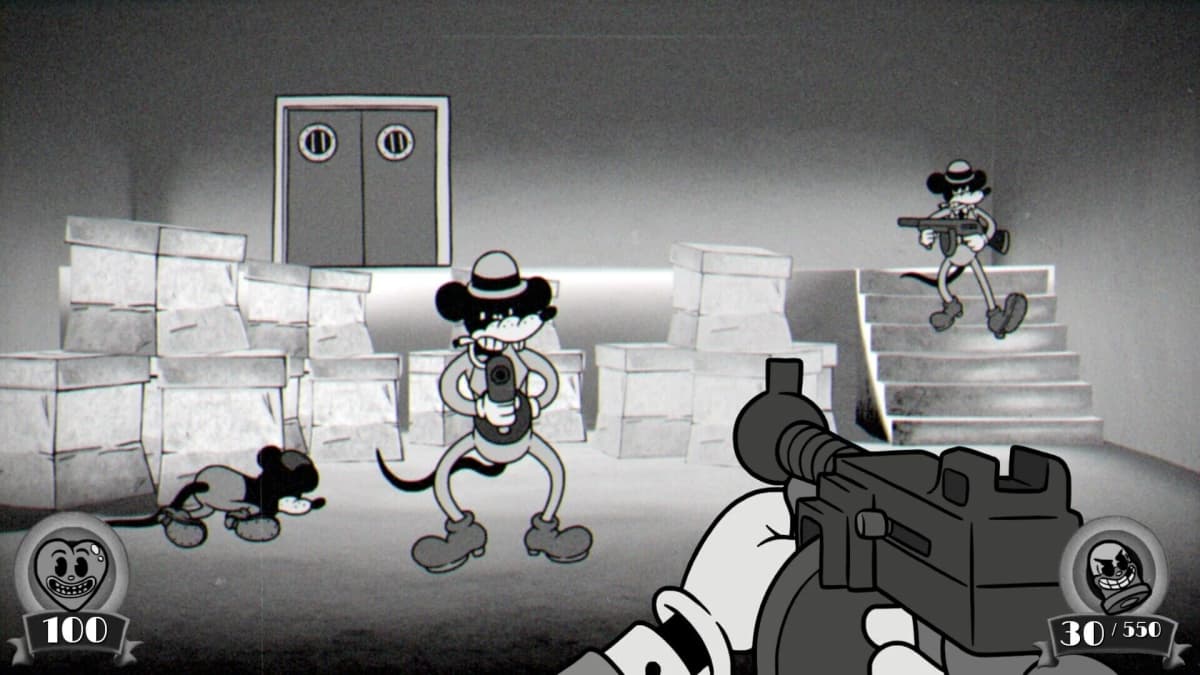
- Fast shooter under a cartoon skin: Dash, slide, double‑jump and an emphasis on movement make this feel like classic arena shooters – reviewers repeatedly praised how the combat actually lands (IGN, SixthAxis).
- Stylistic contrast is the point: The game intentionally pairs slapstick rubber‑hose visuals with a hard‑boiled detective story, giving jokes weight and darkness room to land (Noisy Pixel, SixthAxis).
- Bosses and toys matter: Multi‑stage Robo‑Betty encounters, the Devarnisher turpentine gun and weapon upgrades make combat varied and mechanically interesting (IGN, previews).
- Practical questions remain: Vandal reports a $29.99 US price and 12-20 hour runtime; what reviews will confirm is how consistently the investigation systems and performance hold across platforms.
Rubber‑hose looks, boomer‑shooter bones
Play a chunk of Mouse and you quickly forget it’s a style exercise. IGN and TheSixthAxis both found the movement and weapon feel convincing – Jack Pepper’s dash and slide are not cosmetic tricks but defensive tools that let you kite and flank enemies in arenas built for verticality. That’s deliberate design: the team leans on “boomer shooter” DNA — think fast repositioning, short arenas, and gun upgrades — while dressing it in frame‑by‑frame 1930s animation.
Noir scaffolding keeps the jokes from going flat
Noisy Pixel and SixthAxis both emphasized tone as the game’s differentiator. Cartoon gags — exploding props, silly pickup bounces, a literal “Totally Normal Wall” sign — live beside a genuinely plotted detective case. The previews describe a hub with Jack’s PI office where you pin clues to a caseboard, talk to NPCs, and map out leads. That noir backbone prevents the setting from becoming an empty, Instagram‑friendly backdrop: there are investigative beats, journals, and narration that suggest a campaign built around piecing together a mystery, not just racking up kills.
Boss design and weapons: more than visual callbacks
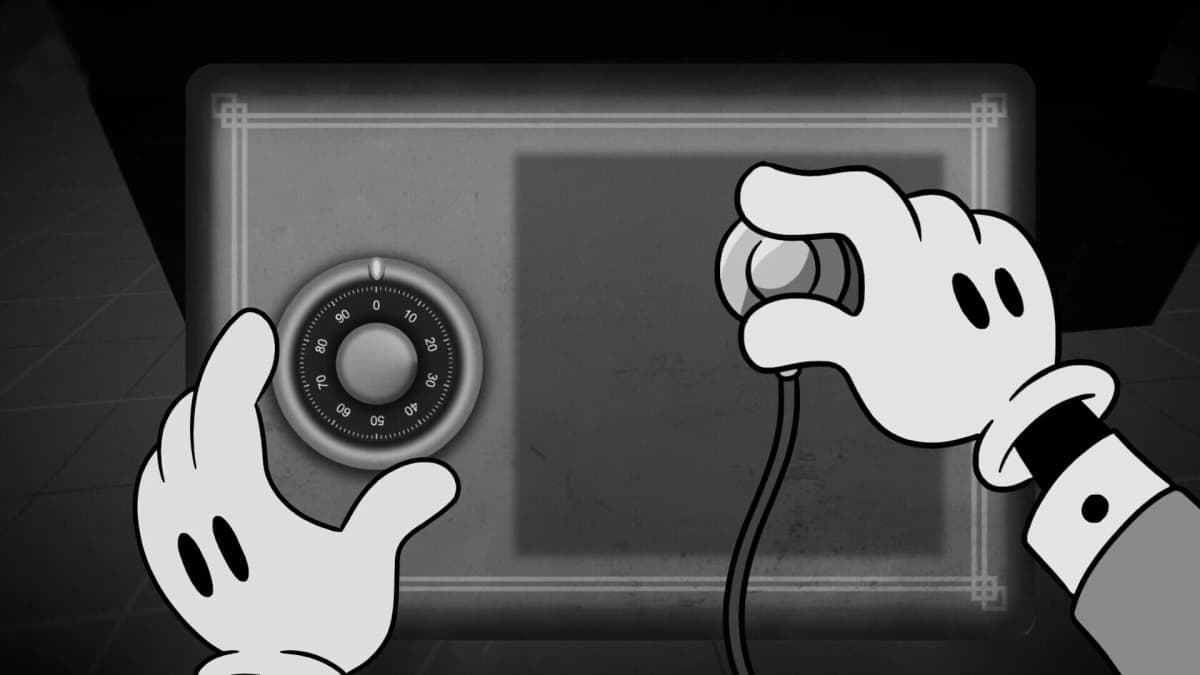
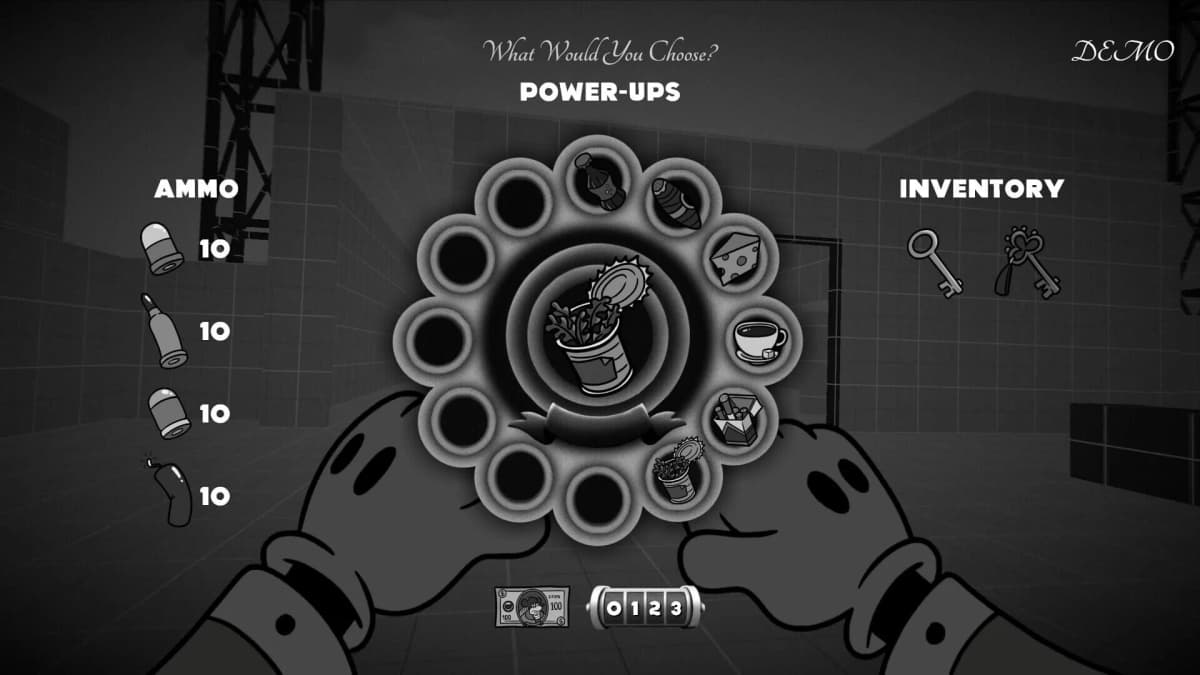
Boss fights came up in every preview for a reason. The Robo‑Betty encounters (three progressive robot versions) force you to use movement and your toolkit — dodge a gamma ray, hide behind cover, hit the wall button to punish the boss — instead of just spray‑and‑pray. Weapons like the Devarnisher (turpentine rounds that literally melt ink) and dynamite give the combat readable, sometimes cartoonish feedback, and upgrades unlock alternate fire modes. IGN also notes notable voice work — Troy Baker among the cast — which signals the narrative will get a bit of production heft.
The uncomfortable observation: the PR wants you looking at the art — and that’s smart
Marketing wants the rubber‑hose headlines, and those are deserved. But the uncomfortable part is that the studio’s real bet is gameplay integrity. If combat, boss variety, and the case structure don’t sustain a full campaign, the game risks being a clever demo wrapped in nostalgia. Previews noted minor bugs and the demo’s limits — and Vandal’s price and 12-20 hour estimate frames expectations: this needs to be tight and polished or players will feel shortchanged.
The question I’d put to PR right now
If I were in the room with Fumi Games I’d ask: how integrated are the investigation systems with core gameplay? Are clues cosmetic checklist items, or do case decisions change missions and outcomes? That answer will decide whether Mouse is a memorable hybrid or a stylish corridor shooter with a few charming beats.
What to watch
- April 16, 2026 — PS5 release day (also listed for PC, Xbox, and Switch family by IGN). Look for cross‑platform performance and frame‑rate details.
- Reviews and post‑launch player reports — they’ll reveal whether the investigation loop actually impacts gameplay and whether the 12-20 hour runtime (Vandal) feels earned.
- Pricing and editions — Vandal lists $29.99 (US); the studio promised regional pricing and physical edition info in coming weeks.
- Boss variety and upgrade depth — if Robo‑Betty is representative, expect skillful design; if later bosses recycle mechanics, that’s a red flag.
Mouse: P.I. For Hire is not just a museum piece for animation lovers. The previews line up: it’s a functioning shooter with a clever tonal hook. The next act — how the full campaign balances investigation, platforming, and repeated combat encounters — is where this either becomes a cult hit or an aesthetic curiosity.
TL;DR
Mouse: P.I. For Hire dresses tight FPS mechanics in 1930s rubber‑hose animation and a noir case structure. Previews praise the movement, weapons and boss fights, while noting minor bugs and unanswered questions about investigation depth. Watch April 16 for reviews, performance across platforms, and whether the caseboard actually changes how you play.
FinalBoss // Gear
Level up your setup
01Top-rated gaming headsetson Amazon→02High-refresh gaming monitorson Amazon→03Gaming chairson Amazon→04Discounted game keyson Kinguin→Affiliate links · As an Amazon Associate, FinalBoss earns from qualifying purchases.
Want to Level Up Your Gaming?
Get access to exclusive strategies, hidden tips, and pro-level insights that we don't share publicly.
Ultimate Gaming Strategy Guide + Weekly Pro Tips