
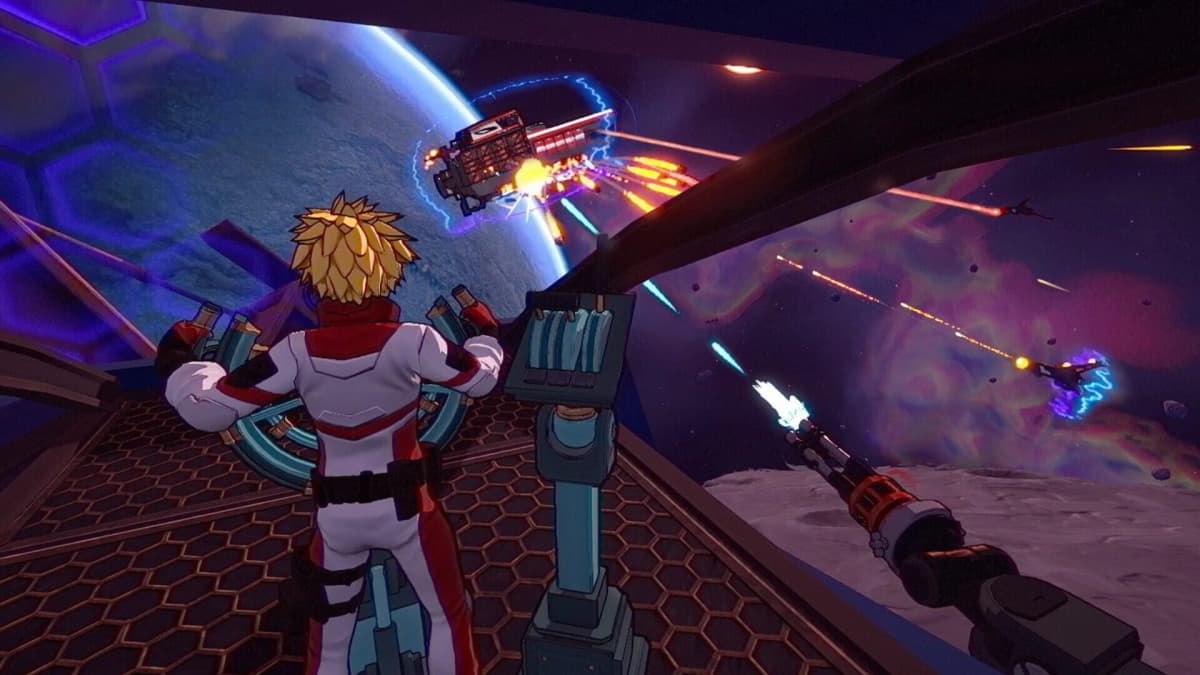
Muse Games brings Guns of Icarus teamwork to space — but can Stars of Icarus live up to the hype?
Game intel
Stars of Icarus
Assemble your crew and take to the stars in a team-based PvP dogfight. Enter the forgotten arenas of space, master your ship's loadout and strategize with the…
Why this playtest actually matters for players
I’ve always loved multiplayer games that actually force you to cooperate – not just pretend to. That’s why Guns of Icarus stuck with me for years, and why Muse Games’ new space-focused follow-up, Stars of Icarus, caught my attention the moment the Steam playtest went live. This isn’t just another shooter with a team tag slapped on; it’s a squad-first dogfighter where crew roles, ship tech and even automation choices shape how a match plays out.
- Playtest runs Friday, December 5 → Sunday, December 21 on Steam (apply to join)
- Three crew sizes: one-man fighters, two-player corvettes, and three-person frigates (six total ships)
- Automation and automaton units let you cover roles at a cost – a design choice that will determine whether teamwork stays meaningful
- Weekend ranked matches have fixed windows; dedicated server tools and boosted gold for cosmetics available to testers
Breaking down the playtest – what you’ll actually try
Stars of Icarus moves the crewed-vehicle PvP template into space, and it expands the toolbox. You’ll pick from six ships split across single-player fighters, two-person corvettes and three-person frigates — which matters because your five-player team has to decide how to distribute pilots, gunners and engineers across a fleet. Roles are explicit: pilots steer, gunners shred shields and hulls, engineers fix and reroute systems.
Muse Games has layered in ship customization through two station types: tech and drives. Techs let you pick abilities like hacking enemy components, repulsors that shove opponents around, or an emergency jump to bail out of a bad engagement. Drive stations change how your engines behave — raw speed, stealth approaches, or charging a portal to leap into combat. Most of these synergies require teammates to exploit properly; an emergency jump is useless if your engineer is busy elsewhere.
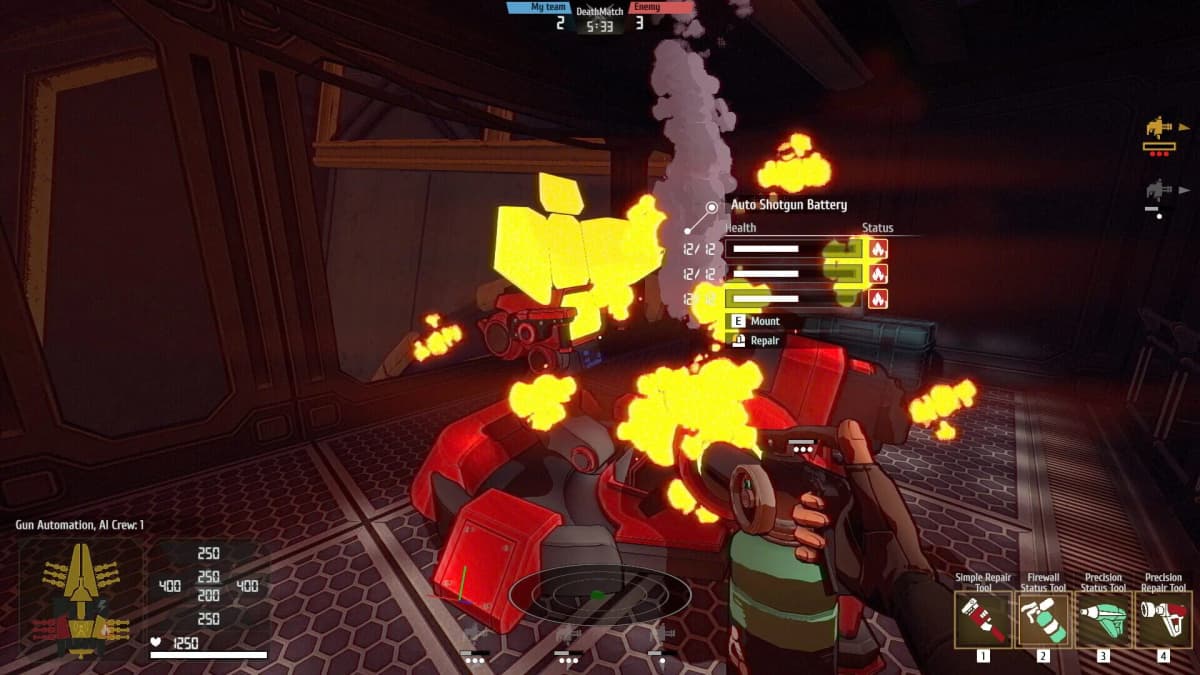
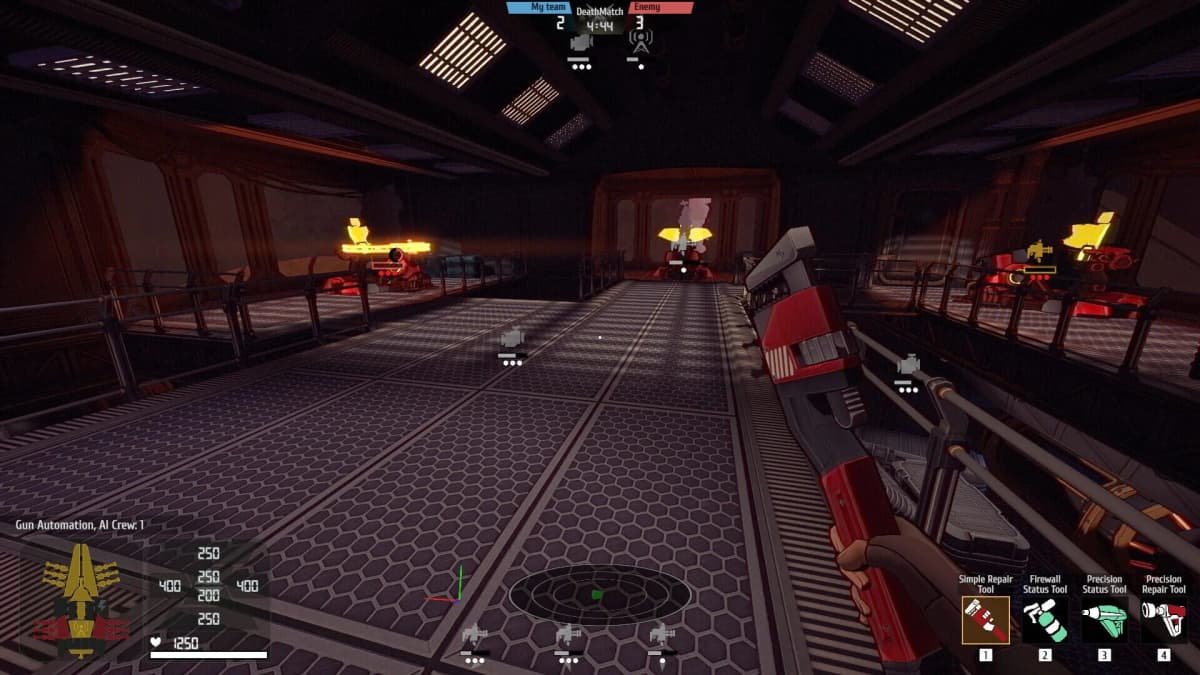
There’s an interesting compromise for smaller crews: automation. You can enable gun or repair automation (less efficient than humans) or deploy an automaton unit to handle tasks. Muse’s cheeky line — “You can’t automate your automaton” — tells you they’ve thought about cap limits, but automation will be one of the major balance levers to watch. Does it let under-crewed teams survive, or does it dilute the satisfaction of coordinated play?
Gameplay details that caught my eye (and why)
Pilot mechanics lean into momentum and tactical nuance: cutting engines gives you tighter turning, and one-man fighters can charge a drift-to-boost that pays off in dogfight duels. Weapon variety follows the classic shield→hull rhythm — plasma tears down shields, kinetic weapons punish exposed hulls — and you can swap elemental ammo types for situational advantages. Larger ships can mount battery banks for concentrated fire, which should make positioning and focus fire a big part of higher-level play.
The restricted cockpit view compared to open airships pushes you toward using antenna stations and active scans. The scans “see nearly everything” but reveal your location — a solid risk/reward design that encourages communication rather than lone-wolf scanning and running.
Want to Level Up Your Gaming?
Get access to exclusive strategies, hidden tips, and pro-level insights that we don't share publicly.
Ultimate Gaming Strategy Guide + Weekly Pro Tips
What this means for competitive players and communities
Muse is running weekend ranked matches on Saturdays and Sundays between 8am-12pm PT / 11am-3pm ET / 4pm-8pm GMT / 5pm–9pm CET. That’s a promising start for building a competitive rhythm, but the limited windows will frustrate players in other time zones or with busy schedules. The inclusion of dedicated server-hosting tools during the alpha is the real tease — if those land in good shape, community-run leagues and private tournaments could blossom faster than with many indie PvP titles.
Two flags of caution: first, Muse is staging invites rather than an open beta, so not everyone gets in — expect more playtests but also some FOMO. Second, boosted gold for cosmetics during the alpha is fine for testing, but it signals how monetization will be experimented on early. Cosmetic markets aren’t inherently bad, but they’ll need to be transparent and non-intrusive if the game hopes to keep its community focused on teamwork rather than spending.
How to join, what to test, and the TL;DR
You can apply for the alpha via the Stars of Icarus Steam page; applicants are rolling in stages and are allowed to share footage publicly. Testers get increased gold so you can try more cosmetics temporarily, and there’s an opportunity to test dedicated server tools. Muse says this alpha “should give you a good feel for the gameplay experience” and offers control schemes familiar to Guns of Icarus veterans.
TL;DR: If you miss working as a crew and want that same tactile, role-driven PvP in space, sign up. The playtest shows solid ideas — meaningful roles, tech/drive choices, and automation as a deliberate tradeoff — but balance, netcode and the long-term monetization model are the things I’ll be watching most closely in future tests.