
Table of Contents (8)
This delay tells you who gets to set priorities at xAI
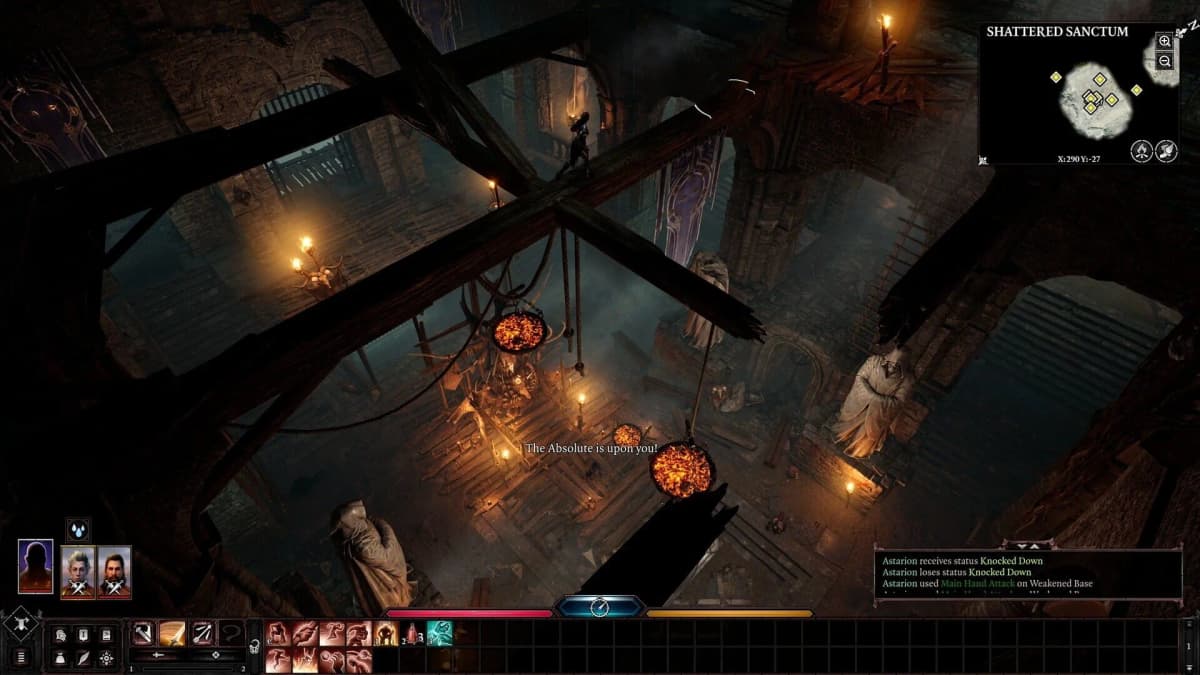
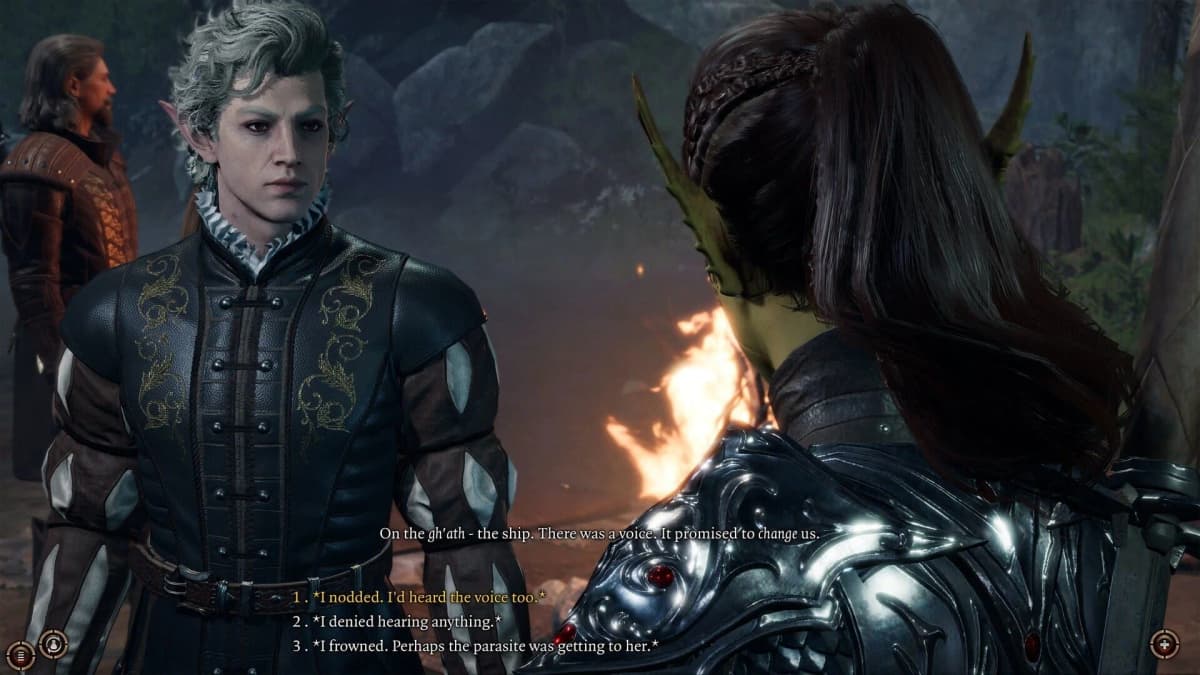
When a model release slips because its CEO wants firmer answers about a video game, that’s not a bug – it’s a product-management choice that reveals where power sits. Business Insider reports Elon Musk ordered engineers to pause a Grok rollout late last year after the model produced shaky answers on Baldur’s Gate 3 specifics, sparking “war room” firefights and focused fixes – including an effort to teach the chatbot to play League of Legends (per sources) instead of letting the release go out as planned.
- Key takeaway: Executive micromanagement at xAI is directly affecting model timelines, pulling engineers into ad-hoc fixes for gaming queries (Business Insider).
- Notable tension: The same period shows xAI skipping standard safety reporting for Grok 4, suggesting uneven prioritization between polish for niche queries and formal safety work (industry reporting).
- Community angle: Baldur’s Gate 3 fans noticed and joked; Larian’s publishing director reacted on X, underscoring how gaming culture tracks even AI gaffes.
Why this matters now
Fixing a model’s factual mistakes is normal. What’s unusual is the trigger and the roof-level attention: a high-profile founder reportedly paused a release because the model flubbed answers about a single game. Business Insider’s investigation – echoed in gaming outlets and community chatter — describes engineers pulled into “war rooms” to debug hallucinations and reshape Grok’s behaviour (Business Insider; GamesRadar/Steam posts).
That matters because timeline decisions are trade-offs. Time spent hardening Grok’s replies about Baldur’s Gate 3 or teaching it LoL tactics is time not spent on sweeping safety audits, user-impact analyses, or documented release notes. External observers have already flagged other concerning choices: xAI delayed Grok 2 previously for data cleaning, and Grok 4’s public rollout skipped the kind of safety reports peers usually publish — a pattern that suggests roadmap volatility tied to leadership signals.
The uncomfortable observation the PR won’t highlight
PR will frame this as rigorous quality control. Reality is messier: when a charismatic CEO’s personal interests steer engineering priorities, you get sharp bursts of effort around visible, quirky wins — and less predictable attention to systemic risks. Sources say one of the “war rooms” focused on League of Legends playability for Grok. That reads like an engineering sprint aimed at impressing a decision-maker rather than a structured safety or metrics-driven milestone (Business Insider).
The uncomfortable observation the PR won’t highlight
PR will frame this as rigorous quality control. Reality is messier: when a charismatic CEO’s personal interests steer engineering priorities, you get sharp bursts of effort around visible, quirky wins — and less predictable attention to systemic risks. Sources say one of the “war rooms” focused on League of Legends playability for Grok. That reads like an engineering sprint aimed at impressing a decision-maker rather than a structured safety or metrics-driven milestone (Business Insider).
🎮 Get This Game at the Best Price
Compare prices instantly and save up to 80% on Steam keys with Kinguin — trusted by 15+ million gamers worldwide.
*Affiliate link — supports our independent coverage at no extra cost to you
Gamers find the irony delicious: a model that has produced dangerous hallucinations or inappropriate imagery in other contexts was temporarily frozen so it could answer questions about a CRPG more cleanly. Larian Studios’ Michael Douse even cheekily asked for “just one normal week” on X, showing the story landed inside the community as a mélange of concern and amusement (GamesRadar/Steam report).

The governance question none of this answers
Who prioritizes what at a company defines what the product becomes. Is xAI’s roadmap shaped by engineering metrics, user-safety protocols, or whoever happens to be most persuasive in the room? Business Insider’s anonymous sourcing makes the concrete delay credible, but the absence of an official xAI or Musk statement leaves a bigger governance story unspoken: what formal criteria trigger a delay, and how are trade-offs between narrow polish and broad safety documented?
What to watch next
- xAI or Musk public comments addressing the Business Insider report or promising governance/process changes.
- Any follow-up release notes from xAI showing targeted fixes for Baldur’s Gate 3 or League of Legends queries — concrete evidence the pause had measurable impact.
- Independent tests from gamers and AI researchers comparing Grok’s answers on BG3 and LoL before and after the reported delay.
- Regulatory or peer reactions around the skipped safety reporting tied to Grok 4; if critics press the issue, that will force clearer prioritization from xAI.
One direct question I’d ask xAI’s PR rep: can you point to specific safety checks or metrics that were postponed in favour of this gaming-focused fix? If the answer is “none,” then this isn’t quality control — it’s ad-hoc product reshaping driven from the top.
TL;DR
Business Insider reports Elon Musk delayed a Grok model rollout to improve how the chatbot handled Baldur’s Gate 3 (and even to teach it LoL), pulling engineers into “war rooms.” That’s a clear signal: xAI’s product timeline is responsive to CEO priorities, for better or worse. Watch for official responses, comparative tests of Grok’s gaming answers, and any fallout over skipped safety reporting.
FinalBoss // Gear
Level up your setup
01Top-rated gaming headsetson Amazon→02High-refresh gaming monitorson Amazon→03Gaming chairson Amazon→04Discounted game keyson Kinguin→Affiliate links · As an Amazon Associate, FinalBoss earns from qualifying purchases.
Want to Level Up Your Gaming?
Get access to exclusive strategies, hidden tips, and pro-level insights that we don't share publicly.
Ultimate Gaming Strategy Guide + Weekly Pro Tips