
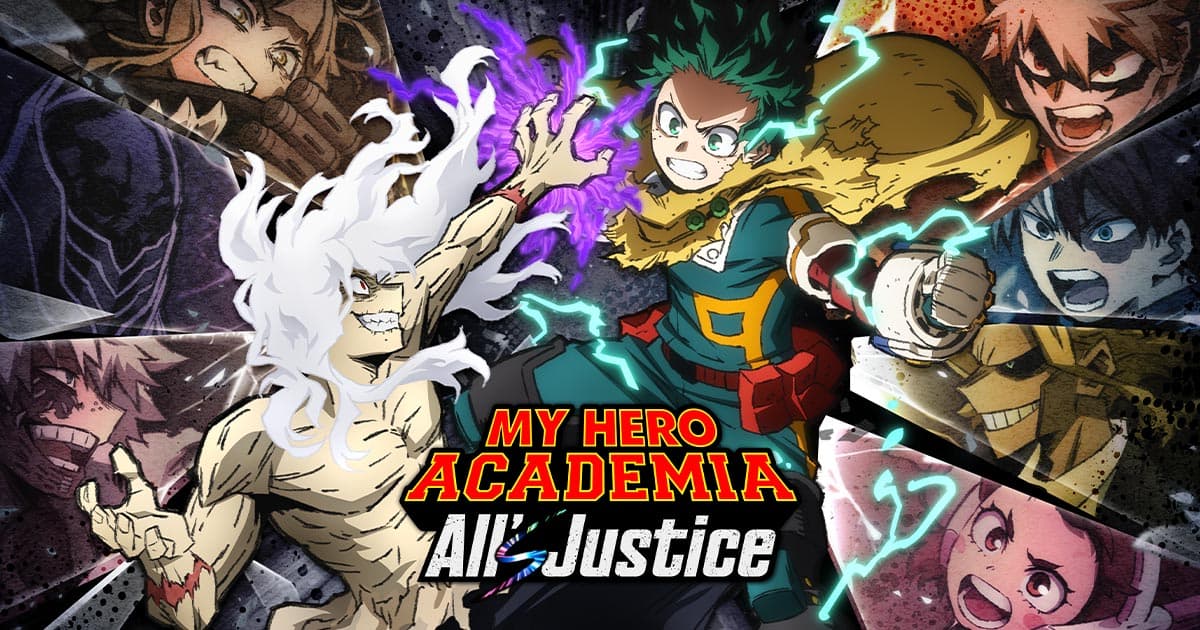
My Hero Academia: All’s Justice Hands-On – A 3v3 Shake-Up With Real Potential (and Real Risks)
Game intel
My Hero Academia All’s Justice
SMASH through My Hero Academia’s final story arc and triumph over your foes in spectacular 3v3 battles! Follow the trials of Deku and other characters in the F…
Why This Demo Caught My Eye
After two uneven but undeniably fun entries, My Hero Academia is back with All’s Justice, and the pitch is clear: not just another sequel, a systems-level upgrade. I spent about 30 minutes with the Gamescom 2025 demo from Bandai Namco and Byking, and came away thinking this could be the most exciting arena fighter in the series yet-if the team smooths out a few familiar pain points.
Key Takeaways
- 3v3 team battles and on-the-fly character swaps add real combo depth and strategy.
- Rising is a comeback power state that amps damage, speed and options-thrilling, but balance-sensitive.
- Team “Plus Ultra” finishers are pure fan-service cinema and a legit match ender.
- Movement fluidity, homing dashes and early character balance need tuning before launch.
Breaking Down the 3v3 Combat
Byking’s previous My Hero One’s Justice games walked so All’s Justice could sprint. The headline change is 3v3 teams where you can switch characters mid-string to extend pressure or escape bad spots. Victory now means clearing out all three opponents, and the tag layer immediately injects decisions: do you swap to keep a juggle alive, rotate to preserve health, or bring in a hard counter quirk for a specific matchup?
I tested Deku, Bakugo, Shigaraki, Todoroki, Dabi and Himiko across a handful of matches. The best moments were the relay-style routes-Deku pops them up, quick swap to Bakugo for explosive corner carry, then back to Deku for the closer. It feels closer to team fighters like DBFZ in intent (not complexity), and it’s a smart evolution for an arena brawler that used to lean on single-character autopilot.
The weak link right now is traversal. Movement still lacks that snappy, confident feel you want in a game about superheroes blitzing through buildings. Homing dashes could use more punch, and geometry in certain arenas created awkward approach angles. When your plan is “tag, chase, convert,” a sticky dash matters. This is fixable—but it needs attention.
Rising and Plus Ultra: Hype vs. Substance
Two new mechanics define the tempo swings. First, the team “Plus Ultra” finisher: build the meter, then unleash a multi-character super that fuses quirks into a flashy, high-damage payoff. It’s the moment the arena fighter format lives for, and the presentation delivers—think big camera sweeps, character banter and a health bar evaporating.
Then there’s Rising, a temporary powered-up state that kicks in when the gauge fills, often when a team is down to its last fighter. You get boosts to attack, speed and recovery, and some characters visually transform. It’s a great way to enable clutch comebacks, but the tuning here will make or break competitive play. If Rising windows are too generous, smart team play gets drowned out by “last stand snowballs.” If they’re too stingy, it’ll feel like wasted hype. Right now, it’s exciting but volatile.
Roster, Story, and Presentation
The roster looks huge, with the full Class 1-A finally in and major faces from the manga’s final arc. That timing matters: the manga’s wrapped, the anime is heading into its endgame, and fans want the definitive playable send-off. Bandai Namco says the game will cover that arc while weaving in an original storyline—smart move if it means fresh scenarios instead of pure recap.
On the audiovisual side, it’s a clear step up. Models are sharper, effects pop harder, and cutscenes lean into the anime’s bombast. The demo even slipped in a burst of “You Say Run,” which instantly sold the moment and reminded me how much licensed music elevates this IP. That said, anyone who’s followed anime games knows music licensing can be a minefield—temper expectations until the full tracklist is confirmed.
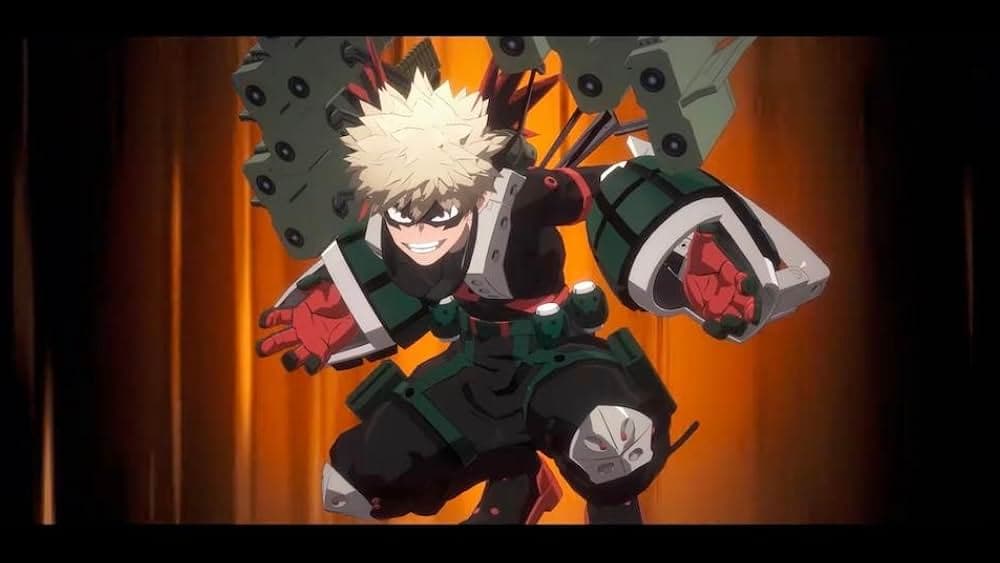
Camera readability is mostly solid, but those arena obstacles causing pathing hiccups also create odd angles under pressure. If Byking can tighten lock-on behavior and keep characters framed consistently during fast swaps, the spectacle will land even better.
Want to Level Up Your Gaming?
Get access to exclusive strategies, hidden tips, and pro-level insights that we don't share publicly.
Ultimate Gaming Strategy Guide + Weekly Pro Tips
Balance Check: Early Winners and Worries
Even in a short demo, balance edges poked through. Shigaraki felt overtuned—big control, big damage—while Himiko struggled to impose her game. That’s not surprising for a series where quirks are wildly asymmetrical, but it puts pressure on the devs to keep the roster viable without sandpapering away character identity.
The bigger competitive question isn’t just numbers—it’s systems. How tight is input response? Will homing dash tracking be consistent enough to reward reads rather than coin flips? Can Rising be baited or punished in meaningful ways? And the elephant in the room for any arena fighter: online play. If this ships without robust rollback netcode, all that shiny 3v3 synergy will feel like theorycraft once delay-based lag melts your confirms. We need answers on netcode, ranked, lobbies and training tools sooner rather than later.

What This Means for Fans Right Now
This caught my attention because it finally feels like Byking is building toward a more strategic MHA fighter instead of another flashy button-fest. If you’re here for anime spectacle, couch brawls and a giant roster, All’s Justice already looks like a win. If you’re hoping for a lab monster’s paradise, manage expectations—the ceiling is higher than before, but it’s still an arena fighter at heart, not a traditional 2D or 3D competitive staple.
My wishlist before launch: crisper movement, stronger dash tracking, a pass on obstacle interactions, early balance tweaks for outliers, confirmation of rollback, and a training mode with frame data and recording. Do that, keep the story mode ambitious, and this could be the series’ best closer as the anime heads into its finale.
TL;DR
All’s Justice evolves My Hero Academia’s arena fighting with 3v3 team swaps, Rising power-ups and cinematic Plus Ultra finishers. It looks and sounds great, but movement and balance need polish—and the online experience will decide whether this is just fan-service fireworks or something we keep playing months after launch.