
My Hero Academia All’s Justice turns the arena brawler into a true 3v3 tag fighter—if Byking sticks
Game intel
My Hero Academia All’s Justice
SMASH through My Hero Academia’s final story arc and triumph over your foes in spectacular 3v3 battles! Follow the trials of Deku and other characters in the F…
Why This Announcement Matters Now
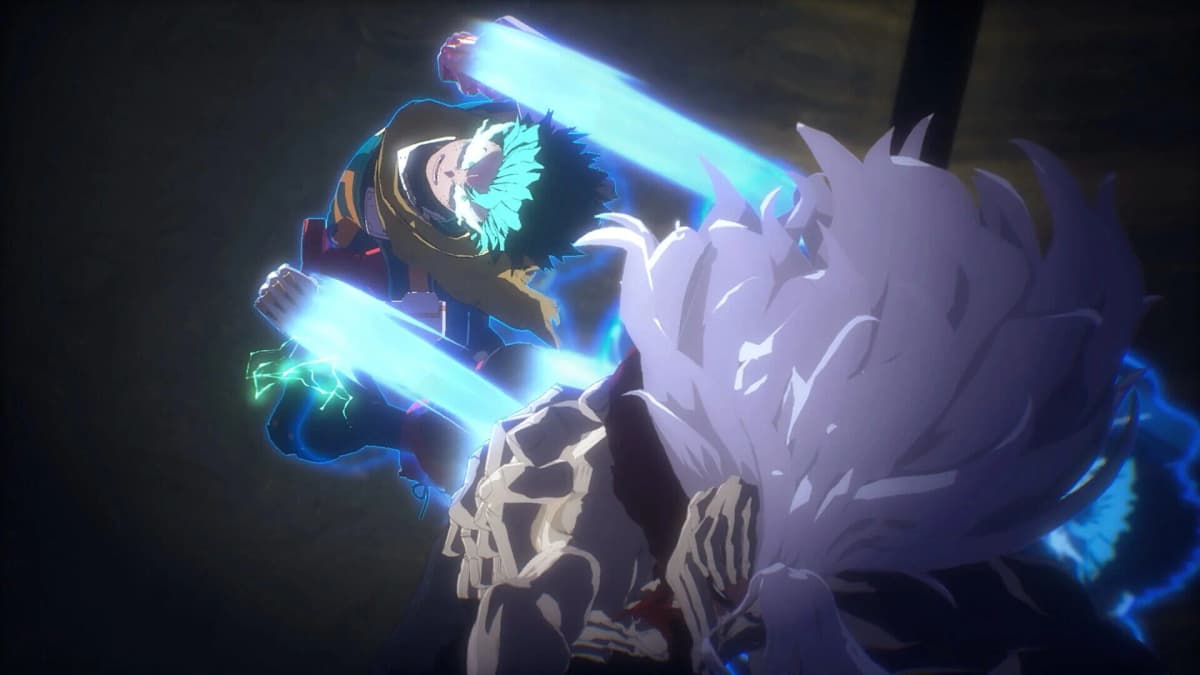
This caught my attention because Byking, the studio behind the flashy-but-flawed My Hero One’s Justice games, looks like it’s finally shaking up the formula. My Hero Academia All’s Justice pivots from sidekick-assisted brawls to actual 3v3 tag combat with active switching, team synergy attacks, and a Rising gauge comeback mechanic-basically the anime arena fighter version of a Marvel vs. Capcom or Dragon Ball FighterZ momentum swing. Also notable: the story focus aims straight at the manga’s final arc, which is a bold promise if they plan to do it justice (pun intended). But as always, what matters isn’t the buzzwords-it’s execution.
Key Takeaways
- True 3v3 tag battles with mid-combo switching, guard-switch counters, and synergy supers could add real depth-if it’s readable and balanced.
- The Rising gauge sounds like a comeback/momentum tool; great for hype, risky for balance if overtuned.
- Normal Controls lower the barrier for newcomers, but competitive longevity will hinge on advanced systems and training tools.
- No release date yet and more character reveals are “coming,” which screams eventual DLC plans—watch the monetization.
Breaking Down the New Combat Ideas
The trailer outlines four fundamentals—target combos, counters, guard, and unblockables. Nothing revolutionary there; the difference is how Byking ties these to team play. The big swing is live character switching in multiple states: while you’re hitting, while you’re blocking, and even to flip defense into offense. Done right, that opens up layered pressure, tag extensions, and guard-switch punishes that create honest decision-making: do you cash meter for a synergy special now, or save it to escape pressure later?
I like that the game explicitly shows timing cues and camera emphasis for big moments. Arena fighters can turn into unreadable particle soup; clarity matters more than flash when three characters are swapping in and out. The risk is obvious too: if hitstun is generous and switching is too free, we’ll be swimming in degenerate tag loops. Byking will need strong combo scaling, hit decay, and switch rules to prevent infinites and unreactable vortexes.
Then there’s the Rising gauge. The pitch: when you’re the last fighter standing, you power up and can swing back. It’s basically Sparking Blast/X-Factor energy—a proven hype button. I’m here for it, with a caveat: comeback mechanics should reward smart play, not bail you out. If Rising turns every endgame into a steamroll, ranked is going to feel coin-flippy fast.
Industry Context: Byking’s Track Record and the Arena Fighter Problem
Byking’s My Hero One’s Justice games nailed spectacle—crumbling stages, airborne wall splats, splashy supers—but they were floaty, imbalanced, and online play struggled. Switching to full 3v3 isn’t just a feature; it’s an identity shift that could finally make My Hero feel competitive rather than just chaotic. Anime arena fighters often stumble on two fronts: weak netcode and systems that plateau quickly. Dragon Ball FighterZ succeeded because it paired accessible inputs with deep team mechanics and, crucially, rollback netcode later on. That’s the bar.
If All’s Justice wants a real competitive scene, it needs: rollback netcode at launch, crossplay, robust training tools (frame data, input display, record/playback, saveable states), solid UI readability, and strict combo rules. The trailer talks systems, not infrastructure; until we hear “rollback” and “crossplay,” consider the online a question mark.
Roster, Story Scope, and the Monetization Question
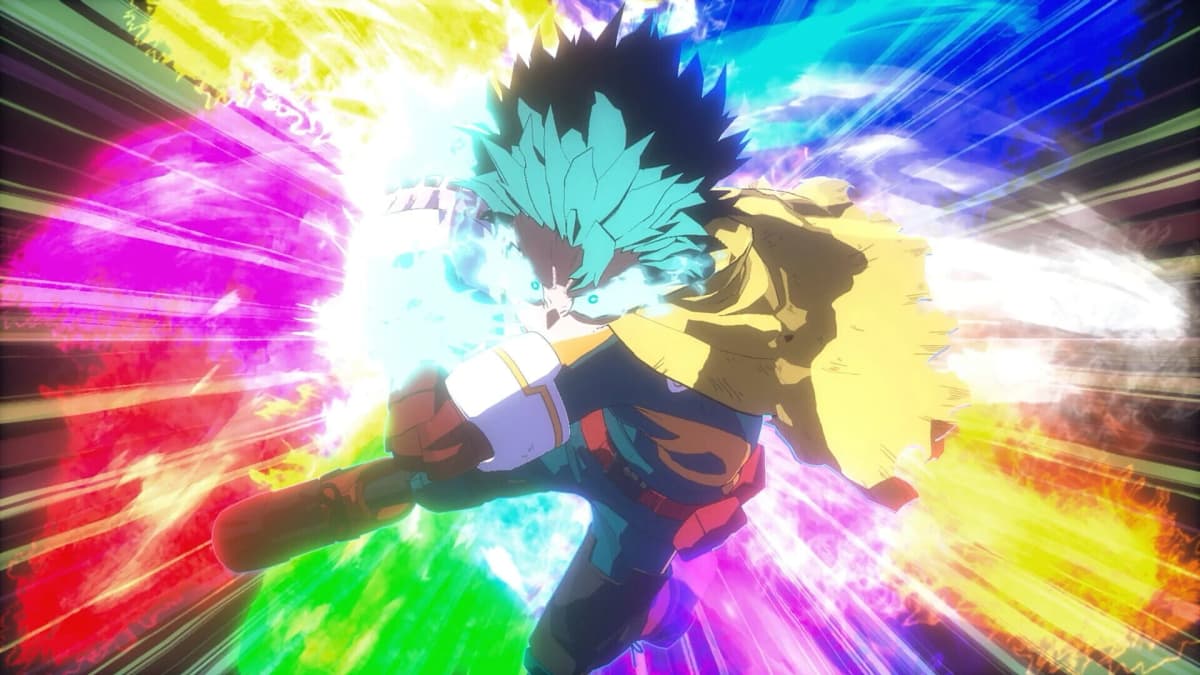
The pitch leans on a “large roster” and the final manga arc. That’s great for story mode—if they actually commit to set-piece battles with bespoke mechanics, not just cutscenes and recycled arenas. It also means potential spoilers for anime-only viewers; if you’re not current with the manga, tread carefully when the marketing ramp starts.
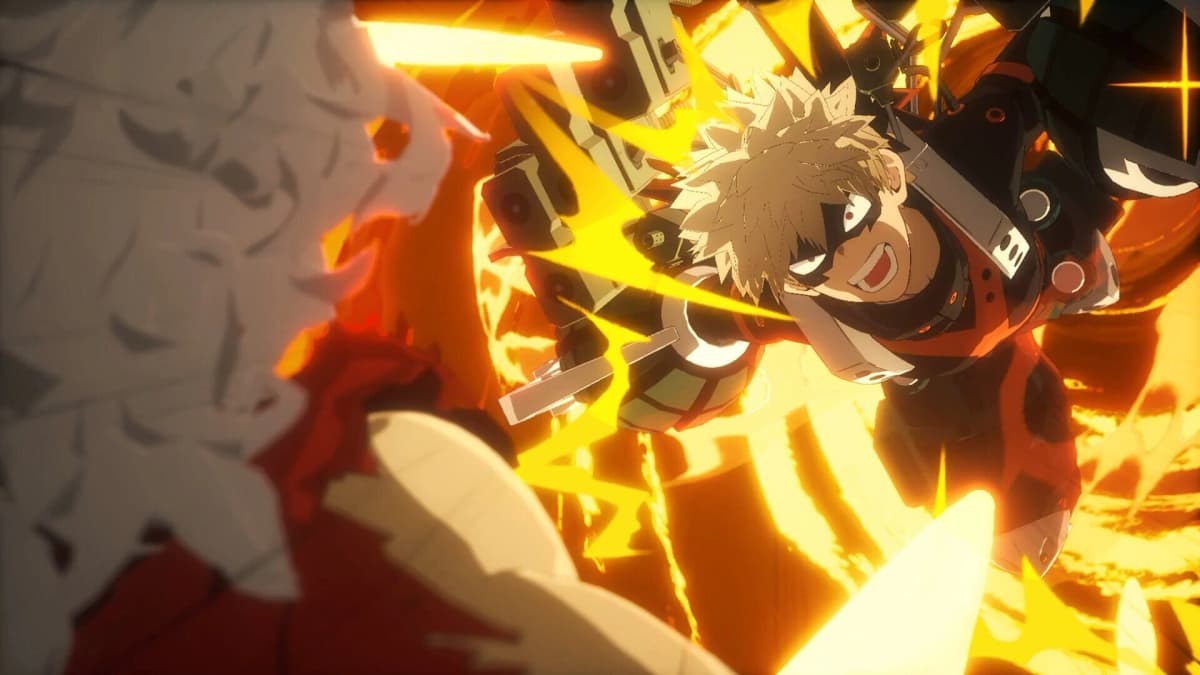
Roster-wise, expect the usual Class 1-A staples plus the League and Pro Heroes, with late-arc heavy hitters like Mirko, Hawks, and maybe the more recent standouts fans have been begging for. The tease of “more character confirmations coming” translates to: reveals stretched over months, likely with a season pass. That’s fine if the launch roster is generous and post-launch balance is active. It’s not fine if fan favorites are held back for $7.99 each. Bandai Namco’s anime fighters run this playbook a lot; pricing and cadence will tell us everything.
Want to Level Up Your Gaming?
Get access to exclusive strategies, hidden tips, and pro-level insights that we don't share publicly.
Ultimate Gaming Strategy Guide + Weekly Pro Tips
What Gamers Need to Know Right Now
- No release date yet. Treat everything as “in development” until we see a hands-on or a network test.
- Ask for rollback netcode and crossplay up front. Without them, a 3v3 fighter’s online lifespan is measured in weeks.
- Look for depth signals: training mode features, frame data, combo trials, and tournament-friendly options (button check, rematch flow, stage select control).
- Watch the readability. If the camera, effects, and lock-on can’t keep 3v3 clean, casual and competitive players will bounce.
Bottom Line
I’m genuinely optimistic about the shift to true tag mechanics. The ability to switch during guard and mid-combo, paired with synergy supers and a Rising gauge, could be the shake-up My Hero needed to move from licensed spectacle to a real fighting game contender. But optimism doesn’t pay for bad netcode. Until Byking shows rollback, crossplay, and a fair roster plan, consider this a very promising “wait and see.”
TL;DR
All’s Justice upgrades My Hero to a bona fide 3v3 tag fighter with smart ideas and a comeback gauge. If Byking nails netcode, training tools, and fair DLC, this could finally be the series’ breakout. If not, it’s another flashy anime fighter with a short shelf life.