
My Hero Academia: All’s Justice Wants To Be Definitive—Now It Has To Prove It
Game intel
My Hero Academia All’s Justice
SMASH through My Hero Academia’s final story arc and triumph over your foes in spectacular 3v3 battles! Follow the trials of Deku and other characters in the F…
This reveal actually caught my attention-here’s why
Bandai Namco just announced MY HERO ACADEMIA: All’s Justice, a 3D arena fighter hitting PS5, Xbox Series X|S, and PC on February 6, 2026. On paper, it’s the most ambitious My Hero game yet: the climactic Final War arc, the “largest roster in franchise history,” three-character tag-team battles with mid-fight switching, and a new “Rising” mechanic that powers up your Quirk. As someone who’s played the previous My Hero arena fighters to death-and bounced off their shallow ceiling-this one has a few details that could finally move the needle.
Key Takeaways
- Three-character tag-team with mid-fight swaps is a real evolution for this series, not just “assist” dressing.
- “Rising” sounds like an Awakening-style power-up; great for hype, risky for balance if it’s a win-more button.
- Story spans the Final War from both sides with new cinematics—promising if it respects pacing and stakes.
- The usual anime-fighter pitfalls loom: netcode quality, duplicate “final form” roster padding, and monetization creep.
Breaking down the announcement (minus the marketing fluff)
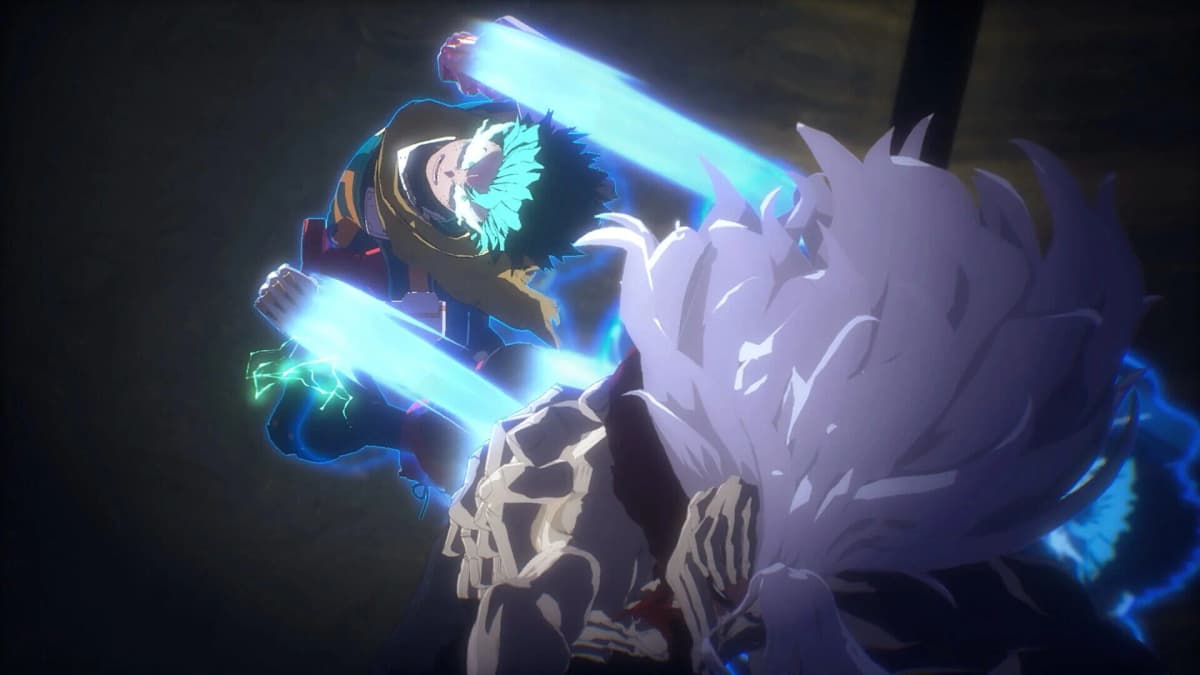
All’s Justice leans hard into spectacle. The Story Mode covers the Final War arc from both Hero and Villain perspectives and teases exclusive cinematics, likely to stitch together the massive cast and big fights—yes, they namecheck the inevitable One For All vs. All For One showdown. That checks the “definitive adaptation” box fans have been asking for since the earlier games stopped short of endgame arcs or sold key characters later as DLC.
The big gameplay swing is the 3-character tag setup with live character switching and chain combos. Past My Hero games let you bring assists and trigger Plus Ultra team supers, but you were still essentially playing a 1v1 brawler with helpers. If All’s Justice lets you actively rotate your team mid-string and build synergy around Quirk interactions, that’s closer to a true tag fighter—think more tactical than a one-off animation call-in.
Then there’s “Rising,” which boosts attack, speed, and Quirk potency. If this is an Awakening-style state, the design will live or die on meter management and counterplay. Can you bait it out? Does it open defensive options, or is it pure offense? And does it snowball for the player who’s already ahead? Arena fighters often lean on comeback or burst mechanics to keep matches dramatic; the best ones give both players agency instead of just turning on fireworks.
Mode-wise, “Team Up Mission” is a new training-style mode in a Virtual Space with Class 1-A, followed by “Archives Battle” to replay iconic clashes after you beat it. Cool fan service, but I’m hoping Team Up supports co-op (the announcement doesn’t say) and that Archives isn’t gated too aggressively behind grind walls. The series has struggled with repetitive mission structure; varying objectives and smarter AI would go a long way.
Why this matters now
With the franchise closing in on its endgame in anime form, this is Bandai Namco’s shot at delivering the “ultimate” My Hero package while the hype is still hot. We’ve seen this playbook with Naruto and Demon Slayer: one big arc-spanning release that becomes the de facto entry for years. If All’s Justice nails tag-team depth and a robust single-player suite, it can be that game. If it repeats the usual anime arena issues—shaky online, shallow systems, and season passes that feel like ransom—it’ll be another pretty facsimile that the community drops after a month.
Online play is the elephant in the room. The announcement doesn’t mention netcode or cross-play. In 2026, launching a competitive PvP-focused fighter without rollback netcode and cross-play would be a self-own. Past anime arena titles have shipped with delay-based netcode and small platform-siloed pools; the result is bad matches and dead lobbies. If Bandai wants this tag system to shine, it needs strong netcode and broad matchmaking from day one.
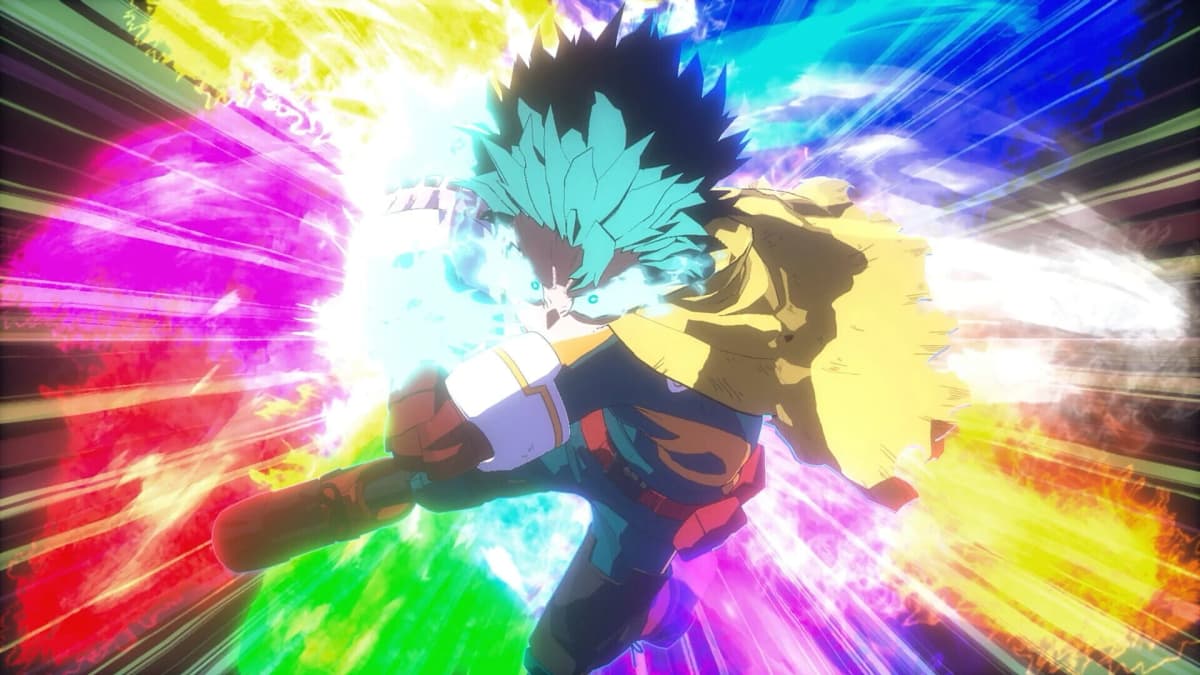
Roster size is another asterisk. “Largest ever” sounds great until you realize it can be padded with multiple “final form” variants that share a skeleton with different supers. I’m not mad at alternate kits if they play distinctly—Deku’s shoot style vs. earlier movesets worked—but if a third of the list are near-duplicates in new outfits, that’s not real variety.
Want to Level Up Your Gaming?
Get access to exclusive strategies, hidden tips, and pro-level insights that we don't share publicly.
Ultimate Gaming Strategy Guide + Weekly Pro Tips
The gamer’s perspective: hype vs. red flags
Hype: mid-fight switching could open real team theory, like pairing a zoning Quirk with a rushdown bruiser and a support who brings meter or safety. If Rising is meter-based with risk/reward windows, we might finally get an anime arena fighter with genuine momentum mind games instead of “who lands the first cinematic super.”
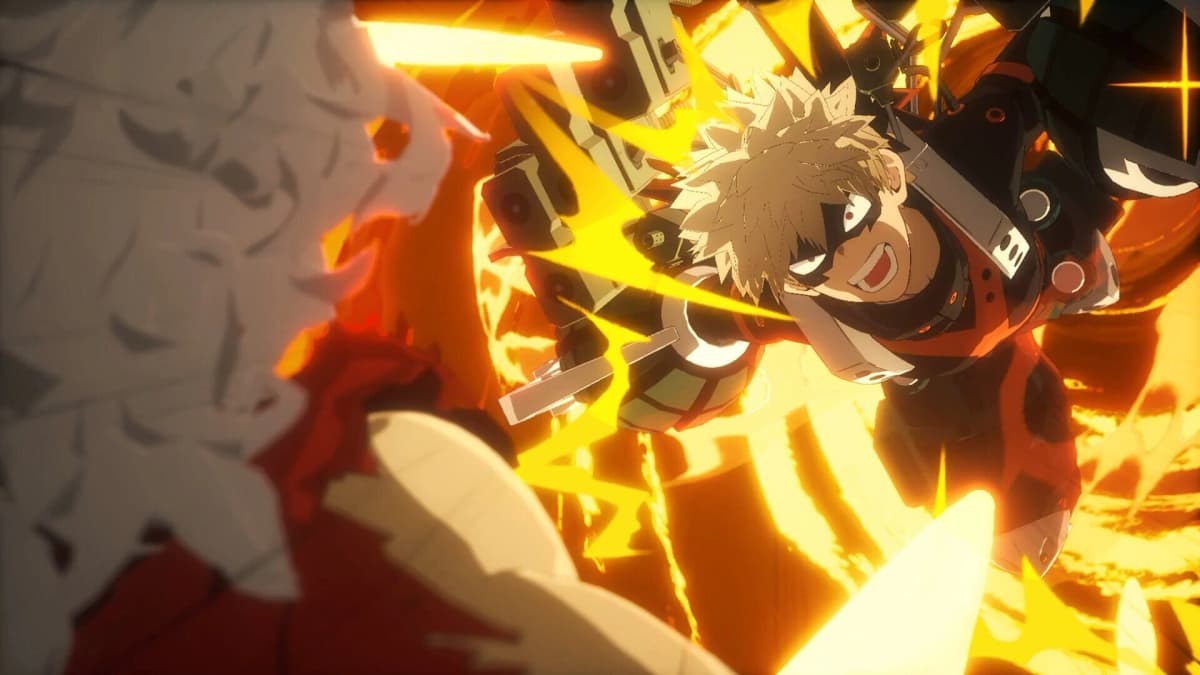
Red flags: Deluxe and Ultimate editions at announcement usually mean character passes and early unlocks. That’s fine if the base roster is generous and future content isn’t ripped out of launch. It’s not fine if fan-favorites tied to the Final War are paywalled months later. Also, 3D arena camera design is notoriously fickle; tight stages and lock-on quirks can ruin footsies. The trailer needs to show how camera tracking behaves during tag swaps and multi-hits in corners.
PC players: keep an eye on port quality. Stable 60 fps, scalable settings, and an anti-cheat that doesn’t tank performance should be table stakes. Anime fighters sometimes treat PC like an afterthought; this can’t.
My wishlist before anyone pre-orders
- Rollback netcode with platform-wide cross-play and a solid rematch flow.
- A training mode with frame data, input recording, hitbox display, and tag-specific lab tools.
- Clear resource rules for Rising: costs, counters, and defensive options.
- Meaningful differences between “final form” variants; fewer clones, more unique kits.
- Performance targets: locked 60 fps on consoles, options-rich PC port.
- Transparent post-launch plan that doesn’t carve out core characters for DLC.
TL;DR
All’s Justice has the right ingredients—tag-team switching, a climactic story, and a big roster—to be the definitive My Hero arena fighter. Now Bandai Namco has to back the promise with real systems depth, rollback netcode with cross-play, and a fair content plan. I’m cautiously optimistic, but the proof will be in the gameplay deep dive and online details—not the pre-order page.