

NCSoft’s “Cinder City” Aims to Shake Up MMO Shooters—But Can It Deliver?
Game intel
Cinder City
Why Cinder City Turned My Head
I’ll admit it: I’ve been quietly tracking “Project LLL” since its first teaser dropped. NCSoft rarely goes small-Guild Wars 2 remains a mainstay in MMO circles, and say what you want about Throne & Liberty, but at least they know spectacle. So when they recently announced the project’s real name-Cinder City-I sat up. Here’s what matters most to core gamers, beyond the PR smoke.
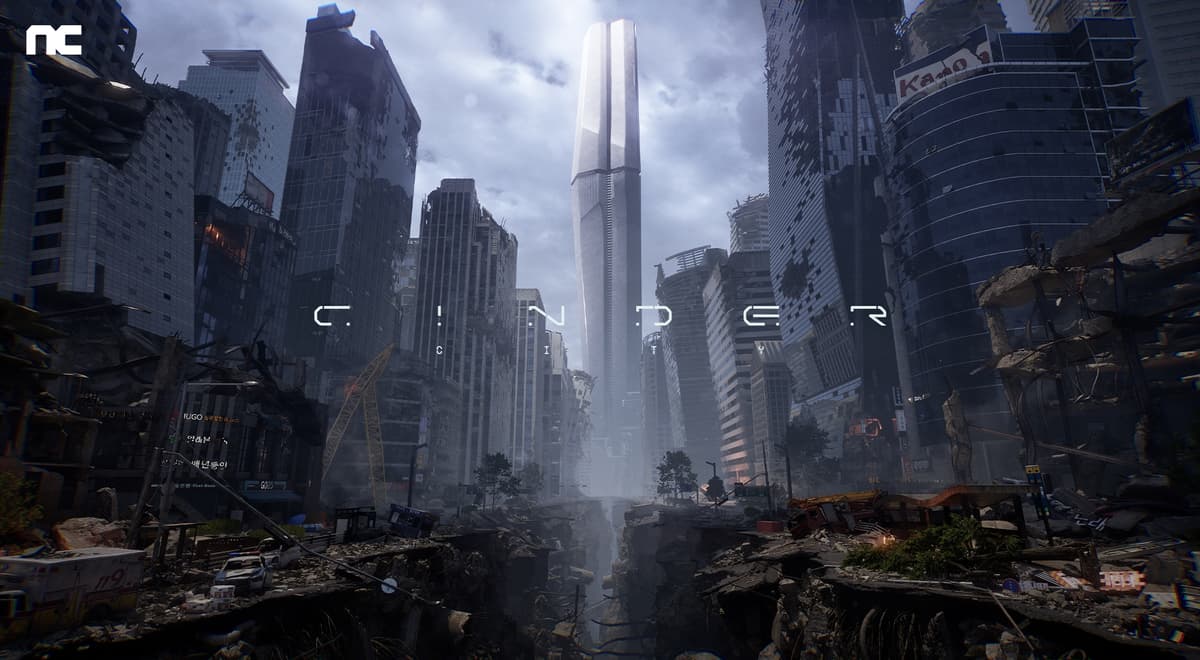
- Set in a devastated, far-future Seoul—not your usual fantasy or bland post-apocalypse.
- Third-person shooting at its core, not auto-combat or click-spam MMO play.
- Singleplayer and squad options, a potential gamechanger for MMO-averse shooter fans.
- Promised grounded gunplay, but with mechs and mutant freakshows.
Key Takeaways for MMO and Shooter Fans
- The setting—post-apocalyptic Seoul—is a welcome detour from generic MMO worlds.
- Cinder City is not just another loot treadmill. Tactical, squad-based action is a core promise.
- There’s real potential for PvE replayability if the city’s zones are as diverse as teased.
- NCSoft’s MMO history is both a strength and a warning: polish is likely, but so are monetization “surprises.”
Why This Isn’t Just “The Division: Seoul”
Let’s dig into what makes Cinder City stand out—or at least, what NCSoft wants us to think does. First, the Seoul setting isn’t just set-dressing. Past footage flaunted abandoned subway lines, flooded districts, and shattered skyscrapers with actual signage and city layouts inspired by real neighborhoods. It’s a tiny detail, but it signals care and local flavor, reminiscent of how The Division nailed a disaster-struck Manhattan. We’ve had our fill of post-nuclear USA and medieval worlds—Seoul getting the big-game treatment feels overdue.
Then there’s the combat. Trailers flaunt fluid third-person shooting, movement systems that look slick but still weighty, and hulking robotic enemies. The press push frames this as “grounded,” but the second you’re jetpacking past a Resident Evil horror mutant and firing into robot mobs, you know it’s more Warframe than Call of Duty. Will the shooting actually feel good? NCSoft claims “accessible-yet-tactical”; if they nail it, this could bridge the gap between casual MMO-ers and shooter diehards sick of the same old PvP queues.
Story Focus: A Little Hope, A Lot of Skepticism
The hook—a soldier searching for his missing daughter—immediately gives more narrative grounding than, say, Destiny 2’s “go fix another space MacGuffin.” If NCSoft delivers even halfway decent quest design or branching narrative, that’s rare air for MMO shooters. But color me cautious: MMOs routinely tease “deep stories” that amount to three cutscenes and fetch quests. Unless we see real in-game choices or consequences, I’m not popping the story popcorn just yet.
NCSoft’s Track Record: Reason for Hype—or for Pause?
Here’s the sticky part—anyone who followed Blade and Soul’s launch, or the state of Guild Wars 2 expansions, knows that NCSoft can vacillate between brilliance and baffling decisions. On one hand, their games look phenomenal. Combat systems, especially in their action-focused games, usually feel slick. But the studio is notorious for weird monetization shifts post-launch (looking at you, lockboxes and grind passes). Gamers burned by these trends are rightly wary.
There’s also the question of meaningful MMO features. Will Cinder City lean into persistent world events, actual economy/trading, or deep guild functionality? Or are we looking at a mostly instanced, looter-shooter loop with a thin MMO veneer (think Outriders with a city hub)? The press info doesn’t answer that yet—and until Gamescom’s hands-on demo, that’s a big “wait and see.”
Want to Level Up Your Gaming?
Get access to exclusive strategies, hidden tips, and pro-level insights that we don't share publicly.
Ultimate Gaming Strategy Guide + Weekly Pro Tips
What Gamers Should Watch For Next
With a new trailer dropping at Gamescom, the real test will be how Cinder City plays—not just how it looks. Does the combat system feel weighty and satisfying over dozens of hours? Will squad play actually demand teamwork, or can you run-and-gun and ignore coordination? And possibly most importantly for MMO veterans: how will NCSoft monetize this? “Free to play with battle passes” covers a lot of sins, but the devil’s in the details. The last thing I want is another MMO shooter bogged down by predatory progression.

TL;DR
Cinder City has the right ingredients—fresh setting, tactical shooting, big budget—backed by a studio that both impresses and frustrates. If NCSoft learns from their past mistakes and nails gameplay, this could be a real contender. But until we see more than a flashy trailer, I’d keep expectations firmly in check.