
nDreams’ Reach Opens Pre-Orders — Ambitious VR Traversal, Puzzles, and Combat Land October 16
Game intel
Reach
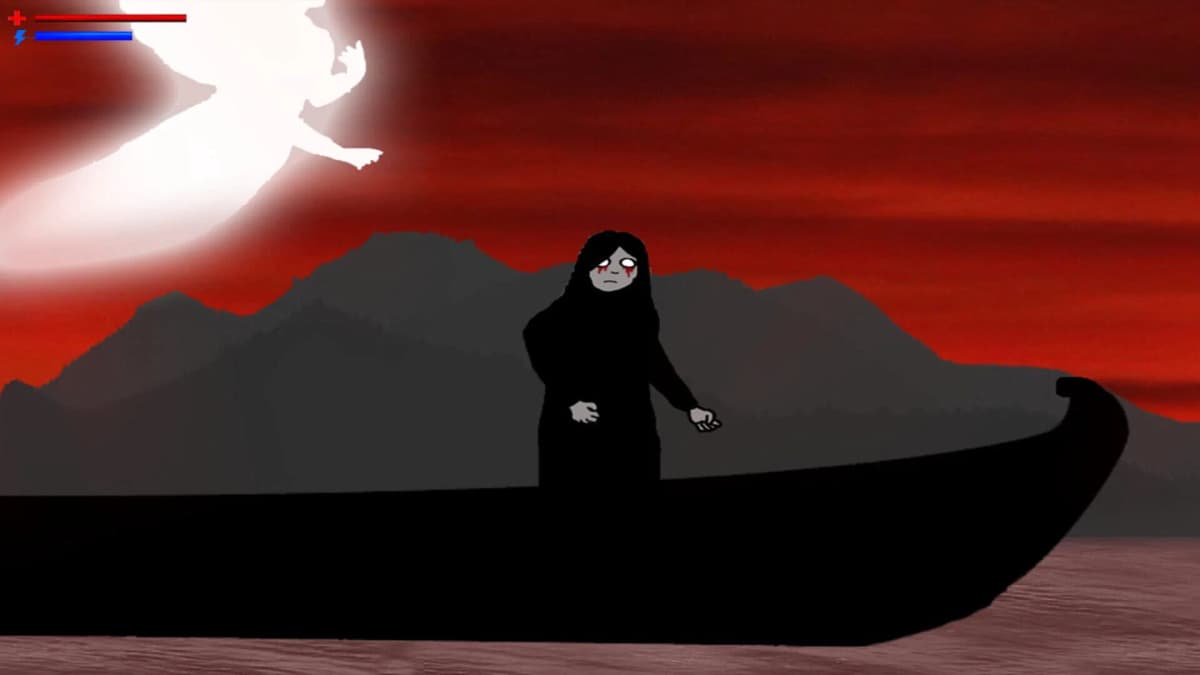
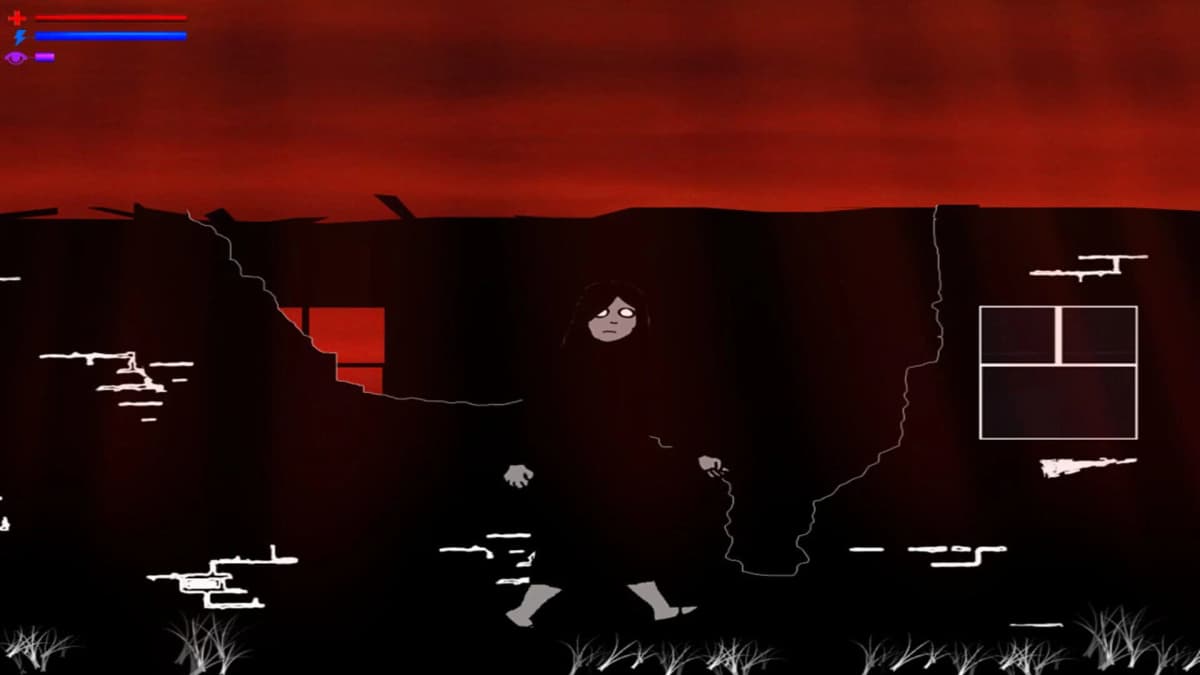
The world is covered with mystery and horror. Everything is dark, and the sky is blood-colored, there is no sun, no night, no day. Everyone has their own time…
Why Reach actually caught my eye
nDreams has flipped the pre-order switch for Reach on the Meta Horizon and PlayStation stores, with launch locked for October 16, 2025. A fresh gameplay trailer at the Future Games Show put traversal, puzzle-solving, and combat front and center. That pitch matters because, when nDreams focuses on movement, they usually deliver: Phantom: Covert Ops made kayaking feel genius, Fracked nailed fast skiing and climbing, and Synapse turned PS VR2’s haptics and telekinesis into a slick power trip. So when they say Reach pushes immersion and interaction, I’m listening-cautiously.
Key Takeaways
- Pre-orders are live now on Meta Horizon and PlayStation; release is October 16, 2025.
- Trailer leans hard on traversal, puzzles, and combat-less talk, more hands-on interaction.
- nDreams’ track record with movement systems sets a high bar, but also raises expectations for comfort options.
- Pre-order bonuses are cosmetic-only; good for wallet safety, but we need clarity on in-game unlocks and grind.
Breaking down the announcement
The Future Games Show trailer sells three pillars. First, traversal: lots of climbing, ledge shuffles, and quick movement between points that reminded me of a midpoint between Stormland’s freedom and Horizon: Call of the Mountain’s “hands-on the rock” intensity. Second, puzzle interaction: tactile object handling and environmental logic rather than menu toggles. Third, combat that looks more about positioning and timing than standing still and spraying bullets. That mix is promising in VR because it pushes you to use your space-head, hands, and body—without falling back on teleports and cutscenes.
Worth flagging: some materials call Reach a “debut,” which is odd framing. nDreams is a veteran VR studio whose identity is basically “we prototype locomotion until it feels right.” If anything, Reach reads like a new IP built on their past lessons. That’s a win, not a debut.
The real story behind the trailer hype
VR trailers love the phrase “next-level immersion,” but the substance here is interaction density. The more often a game lets you reach out, grab, climb, twist, and solve without breaking to UI, the better it feels inside a headset. Boneworks and Red Matter 2 taught that lesson years ago. If Reach sticks to that rule while streamlining the fiddly bits, we could get something that feels physical without being exhausting or clumsy.
The traversal emphasis is also a double-edged sword. Climbing-heavy VR can be incredible (The Climb 2 still slaps) but can also become a chore if stamina meters, repetitive grips, or forced segments drag. nDreams usually understands pacing—Fracked kept movement punchy—so I’m hopeful Reach avoids “climb walls because it’s VR” filler and uses movement as a tactical choice during exploration and combat.
Want to Level Up Your Gaming?
Get access to exclusive strategies, hidden tips, and pro-level insights that we don't share publicly.
Ultimate Gaming Strategy Guide + Weekly Pro Tips
What gamers need to know right now
- Platforms: Pre-orders on Meta Horizon and PlayStation Stores strongly suggest Meta Quest and PS VR2 at launch. Expect platform-specific haptics on PS VR2 and careful comfort presets on Quest if nDreams follows its usual playbook.
- Comfort options matter: With traversal and combat intertwined, smooth locomotion, snap/gradual turning, vignette strength, and arm-length reach tweaks are the difference between “wow” and “I need a lie-down.” nDreams’ best games had robust settings; Reach needs the same.
- Combat clarity: The trailer hints at positioning and timing over bullet-hell chaos. That’s smart for VR—readable enemy tells and arena layouts tend to beat HP sponges in headsets. I want to see if stealth or tool-based crowd control plays a role, like how Synapse encouraged creative telekinesis over raw DPS.
- Pre-order bonuses: Cosmetics only. That’s the right side of the line, but it always triggers my “is there a grind?” radar. If skins are cosmetic, cool. If cosmetics tie to repetitive unlock loops in a story-first VR title, less cool.
One more practical note: the name Reach will fight SEO with Halo: Reach for eternity. That’s not your problem as a player, but it’s telling—this game needs a strong identity in the headset so we remember it as “nDreams’ Reach,” not “the other Reach.” A distinct traversal or signature mechanic can do that job fast.
Why this matters now for VR
VR in 2025 doesn’t need more wave shooters—it needs confident, systemic adventures that justify the friction of strapping on a headset. Reach is aiming squarely at that gap, promising hands-on traversal, environmental puzzles, and combat that uses physical space. If it lands, it strengthens the case for PS VR2’s haptics and gives Quest players a new benchmark for interaction-first design. If it misses, it’ll be another reminder that “innovative mechanics” mean nothing without tight comfort options and thoughtful level pacing.

Looking ahead
For now, the smart move is simple: wishlist or pre-order if you trust nDreams’ movement pedigree, and wait for hands-on previews to confirm accessibility settings and mission structure. I want to see how puzzles scale, how often the game pulls you into climb sequences, and whether combat evolves beyond the first hour’s toolkit. If Reach balances those pieces, we might be talking about one of the year’s essential VR adventures.
TL;DR
Reach is nDreams doing what they’re best at: turning movement and interaction into the star of the show. Pre-orders are live on Meta Horizon and PlayStation, launch is October 16. The trailer looks strong—now it’s on comfort options and mission design to prove this is more than marketing buzz.