
Can Starfinder: Afterlight Hit the CRPG Sweet Spot?
Game intel
Starfinder: Afterlight
The first party-based RPG that brings Paizo's beloved science-fantasy universe to life. Battle across the Pact Worlds, lead a legendary crew where your choices…
Why This Caught My Eye
When Epictellers revealed that Neil Newbon is both directing the voice cast and voicing “Preach,” a Shirren Mystic, in Starfinder: Afterlight, my ears perked up. Newbon’s work in Resident Evil Village and Baldur’s Gate 3 didn’t just add color to familiar worlds—it cemented characters in our heads long after the credits rolled. Couple that performance pedigree with a fan-backed Kickstarter surpassing €550,000 and a planned Early Access for 2026, and you have a debut CRPG with serious ambition. But ambition alone doesn’t guarantee success. Can Epictellers balance scope, fidelity to Starfinder rules, and an indie budget to deliver a companion-driven sci-fantasy epic?
Key Takeaways
- Neil Newbon directs the entire voice cast and embodies Preach, signaling a performance-first focus.
- Early Access in early 2026 suggests a feedback-driven rollout, not a “finished story day one.”
- The €550K+ Kickstarter budget is hefty for an indie—but far below Larian’s scale—so disciplined scope is critical.
- Based on Starfinder Second Edition rules, turn-based combat must balance tabletop depth with streamlined pacing.
- Companion play matters: fewer, sharply defined characters will outshine a sprawling but shallow roster.
Breaking Down the Announcement
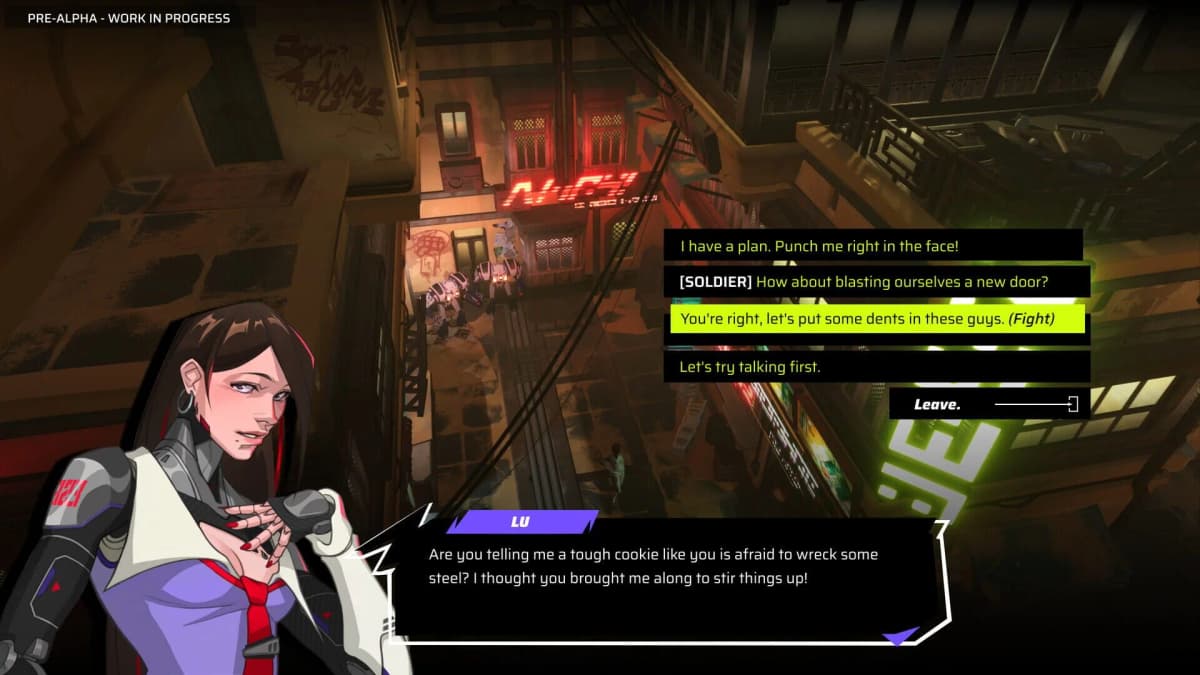
Newbon’s dual gig is more than a headline—it’s a strategic play. Voice direction shapes pacing, emotional resonance, and party banter, all vital in a squad-based RPG where you hunt for a missing captain and recruit a “charmingly questionable” crew. If Preach’s prophecy-driven arc hinges on player choices, the team must deliver branching performances without bloating content or resorting to hollow “illusion-of-choice” tactics. With Newbon guiding actors in a studio setting, smaller dialogue branches could still land as meaningfully as major story beats.
Epictellers has wisely held back other companion reveals, preserving suspense. But they need to clarify VO scope soon: is every line going through the mic, or only key quests? Baldur’s Gate 3 boasted wall-to-wall VO across tens of thousands of lines—possible only with a multi-million-dollar budget and years of polish. A €550K pool suggests a leaner script, perhaps 20–30K lines, focusing on main companions and critical story moments. That means pruning side chatter and doubling down on core arcs.
Industry Context: The CRPG Renaissance Meets Sci-Fantasy
We’re squarely in a CRPG renaissance. Turn-based, narrative-first RPGs are thriving—players have shown they’ll invest in systems that reward strategy and storytelling. Starfinder: Afterlight’s setting is key: sci-fantasy isn’t just lasers-plus-fireballs; it’s the collision of faith, technology, and alien cultures. Paizo’s universe offers insectoid Shirren, mystic rites tied to starship travel, and patrons like Hylax who blur magic and science. If Epictellers resists the urge to dilute these elements into generic space opera, they can carve a unique niche.
Behind the scenes, Epictellers isn’t a freshman team. Veterans from Crysis and Ryse understand AAA production pipelines, queuing shots, and resource management. Yet translating Starfinder Second Edition—the deep tabletop rulebook—into tight, accessible video game mechanics is a balancing act. The best adaptations cherry-pick rules for tactical heft and narrative freedom; the worst drown players in menu-driven complexity. A clear UI, intuitive status effects, and elegant pausing systems will be vital.
Voiceover Direction: A Budget Balancing Act
Voice direction isn’t just “hit the lines”; it’s sculpting performances that elevate writing. Newbon’s resume includes intense emotional beats in Resident Evil Village and layered banter in BG3—skills Epictellers needs for companion camaraderie. But with a sub-million budget, they must prioritize. A proven approach: record full VO for main quest scenes and companion cores, then use selective VO or text-only interactions for side missions. That way, players still feel immersed without the talent budget ballooning.
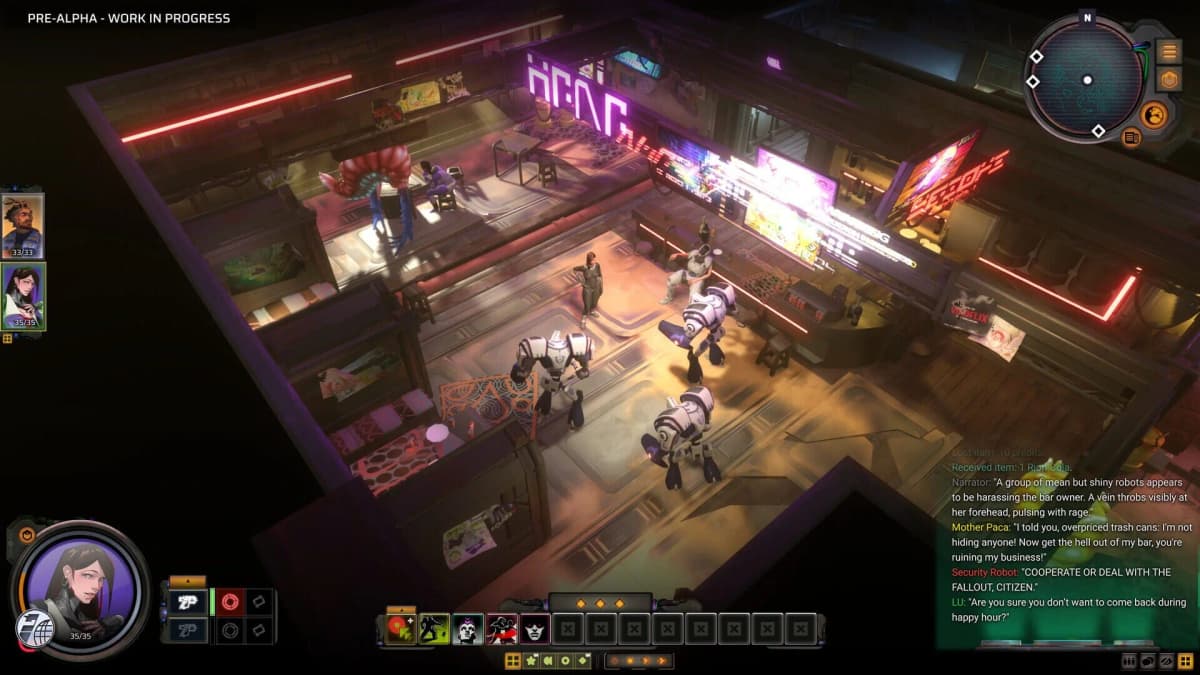
For context, Baldur’s Gate 3 invested heavily in VO for over a dozen companions, hiring dozens of actors and spending months in booth. Afterlight could aim for five or six fully voiced allies, each with a distinct thematic arc. Supplement with partial VO—like dialogue stingers, reactive one-liners, and unique kill quotes—to maintain variety. Consistency and chemistry in key scenes will count more than sheer volume of voiced lines.
Want to Level Up Your Gaming?
Get access to exclusive strategies, hidden tips, and pro-level insights that we don't share publicly.
Ultimate Gaming Strategy Guide + Weekly Pro Tips
Translating Tabletop to Tactical
Turning Starfinder’s mod-heavy tabletop rules into an approachable CRPG will be one of Epictellers’ biggest challenges. In the pen-and-paper game, you juggle modifiers for cover, elevation, feats, spells, and technology. Video game versions should surface the fun—splashy spells, satisfying crit animations—without burying players in math. Tactical clarity demands a robust tutorial, streamlined character sheets, and contextual tooltips. Too much jargon risks alienating newcomers; too little depth might disappoint tabletop purists.
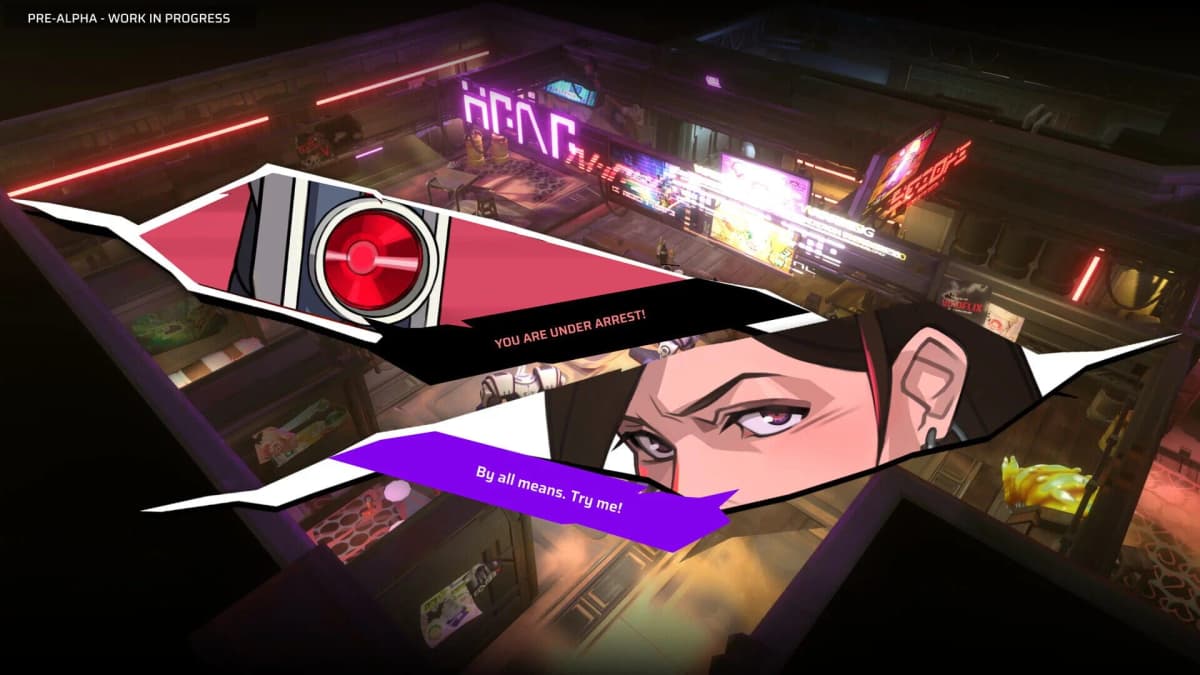
Key risks include feature creep—adding every archetype and feat—and menu bloat that interrupts pacing. A staged approach, common in Early Access, can help: roll out a vertical slice that highlights the Mystic’s unique buffs, the Solarian’s solar energy mechanics, and the Soldier’s cover system. After community feedback, refine the UI, balance abilities, and consider whether reactive dialogues break immersion. By day one of EA, Epictellers should aim for mechanical polish in one or two core subclasses rather than an unbalanced galaxy’s worth of options.
What Gamers Should Watch Between Now and 2026
- Vertical Slice Demo: Look for a playable slice featuring one hub world, two companion quests, and the turn-based combat loop.
- Combat Deep Dive: Detailed dev diaries on status effects, positioning mechanics, and action economy reveal how “magic meets tech” translates to strategy.
- Companion Spotlights: Early reveals of each crewmate’s backstory, gameplay niche, and VO approach will show whether Epictellers can deliver distinct personalities.
- Early Access Roadmap: A clear milestone chart—alpha tests, open betas, bug-fix windows—signals a disciplined feedback cycle rather than a haphazard launch.
- Community Engagement: Developer Q&As on Twitch or Discord, playtests with backers, and poll-driven tweaks demonstrate genuine responsiveness.
Why This Matters in Today’s CRPG Landscape
After Baldur’s Gate 3 raised the bar for indie-sized studios, expectations for narrative depth and production values soared. That upswing is a double-edged sword for smaller teams: players expect well-crafted worlds but also crave novelty. Epictellers’ best path is focus—memorable companions, a tight combat loop, and reactive storytelling without vanity branches. Bringing Newbon aboard shows they understand the power of voice and direction. Now it’s execution: nailing Starfinder’s hybrid vibe under a modest budget.
Actionable Takeaways
- Check for a vertical slice demo with core mechanics and one companion arc by mid-2025.
- Watch dev diaries on combat systems to gauge whether tabletop depth survives the transition.
- Track VO scope—fully voiced companion cores over text-only side content.
- Evaluate the Early Access roadmap’s clarity: milestones, feedback loops, and content drops.
- Engage in community playtests to ensure the reactive storytelling you’ll invest 60+ hours in feels meaningful.