
Most retro boxes are just cheap emulation in pretty shells. The Neo Geo AES+ is the rare exception that actually threatens to make your original Metal Slug-era cartridges – yes, those 2001 gems you’ve been hoarding – matter again.
Table of Contents (7)
Key takeaways
- Neo Geo AES+ is a hardware-accurate reissue using re-engineered ASIC chips, not software emulation or FPGA cores.
- It’s fully compatible with original Neo Geo AES cartridges, including homebrew and ROM carts, plus 1080p low-latency HDMI and an AV port for CRTs.
- Launches November 12, 2026 at $249.99 (standard) and $349.99 (35th Anniversary Edition), a far cry from the AES’s original $1,600+ inflation-adjusted price.
- On-screen BIOS and DIP switch menus add language options, overclocking, display modes, and quality-of-life tweaks without pretending the system is something it’s not.
This isn’t another mini-console cash-in
SNK and Plaion could have done what everyone else does: cram a Raspberry Pi-class chip into a tiny plastic AES shell, throw 30 ROMs on it, call it the “Neo Geo AES Mini” and walk away with a holiday stocking stuffer.
Instead they went weirdly serious. The Neo Geo AES+ uses newly re-engineered ASIC chips that replicate the original 1990 hardware at the silicon level. No generic ARM processor pretending to be a Neo Geo. No FPGA core riding on years of unpaid community work. Just custom chips built to behave like the original console.
The payoff is the phrase that actually matters: hardware-accurate, original cartridge compatible. AES+ takes real AES carts – including that Metal Slug you imported in 2001, weird Korean variants, homebrews, and even flash-based ROM carts – and just runs them. No licensing whitelist, no curated store, no “streamed retro” subscription.
For a system built on tight timings – fighters, shooters, and yes, the twitch-heavy chaos of Metal Slug – that hardware-first approach isn’t nostalgia theater. It’s the difference between playing the game as it existed and an approximation that “feels close enough” if you’ve never touched the real thing.
For Metal Slug-era carts, this could be a lifeline
The original Neo Geo AES had two big problems: it was obscenely expensive, and it’s now old enough to fail in all the fun, unfixable ways. Boards die. Video encoders drift. Repair parts dry up. Meanwhile, key carts – especially early Metal Slug releases – have turned into mortgage payments with labels.
The AES+ doesn’t magically make those cartridges affordable, but it does give them modern hardware that isn’t actively falling apart. It outputs 1080p over HDMI with low latency – the thing every “retro” system claims and only some deliver – and still keeps an AV port for CRT purists who want scanlines the way the cavemen had them.
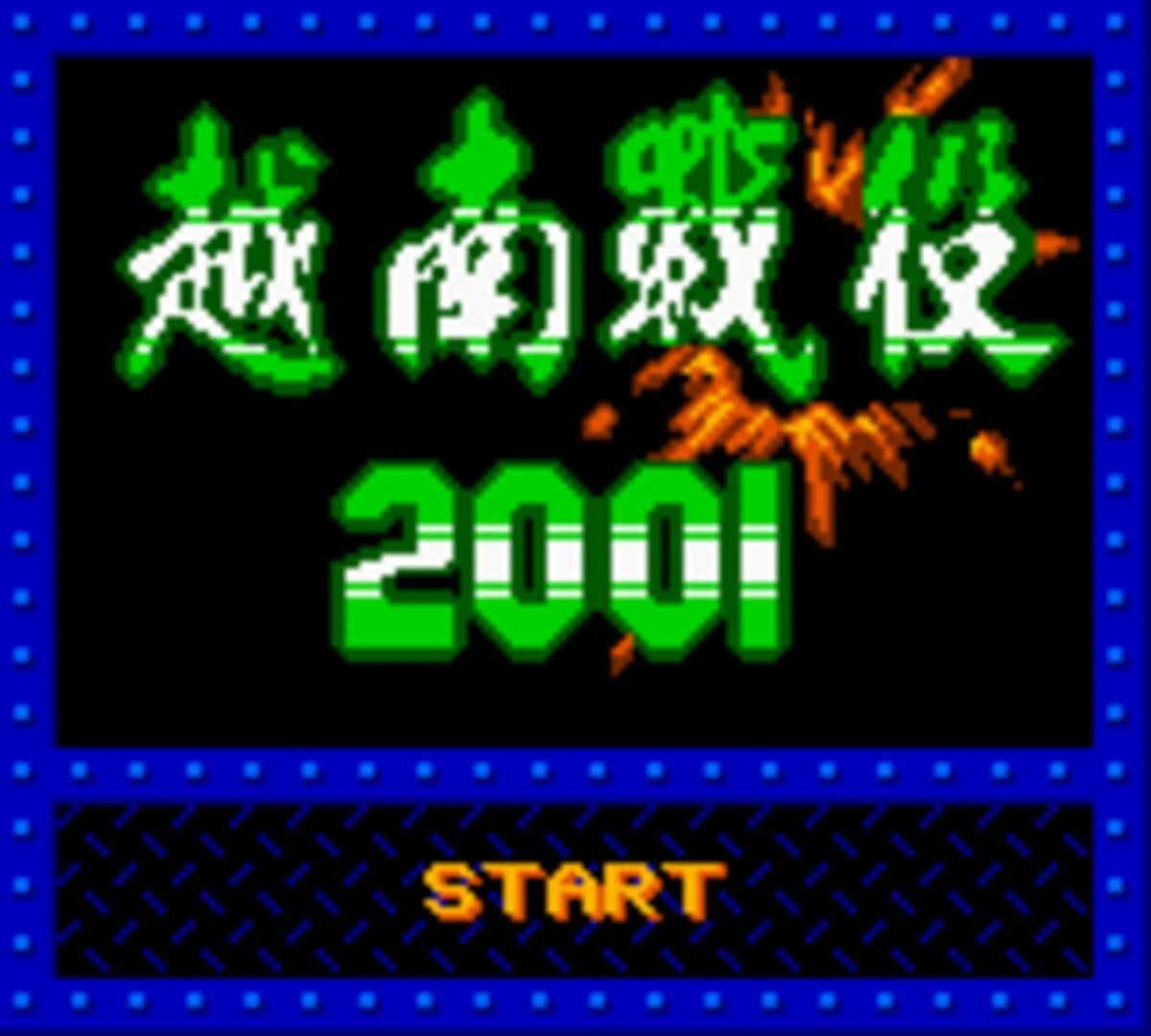
On top of that, you get on-screen BIOS and DIP switch controls for things that used to require opening the console or installing mods: language selection, overclocking, presentation modes, even a low-power option. Permanent score saving and options that would’ve been arcade-operator-only are a couple of clicks away.
If you’re sitting on late-era AES carts – those post-2000 runs where Metal Slug and friends turned from “cool imports” into “retirement plans” – AES+ is basically a fresh motherboard for your collection. Not a clone that behaves “kind of like an AES”, but hardware built specifically to keep that ecosystem alive.
SNK’s nostalgia play is cheaper, but not cheap
Let’s not pretend this is suddenly mainstream. The standard Neo Geo AES+ is launching at $249.99, with a 35th Anniversary “ice white” edition at $349.99. That’s a big drop from the AES’s launch price, which would sit around $1,600+ in today’s money, but it’s still enthusiast-level.
New cartridges tied to this push are landing in the ballpark of €79.99 in Europe, according to multiple regional announcements. That’s a lot of money in a world where most people are used to compilation packs and “all the Metal Slugs” bundles going on sale for a tenner every other month.
But that’s the point: the AES+ isn’t trying to compete with Steam sales or cheap plug-and-play boxes. It’s aimed at the crowd that absolutely knows what a consolized MVS is, can argue about MiSTer vs Analogue cores, and still likes the idea of slotting a real cart into a real SNK-branded machine instead of an FPGA boutique device.
For that audience, the pricing is shrewd. It lands below the “luxury art piece” tier Analogue often occupies, but far above the disposable retro toys cluttering Amazon. It’s expensive enough to feel serious, but not so expensive that only the most hardcore Metal Slug collectors can even consider it.

The preservation angle is real – but controlled
There’s a word that keeps floating around this kind of project: preservation. And to be fair, a hardware-accurate, cartridge-compatible Neo Geo AES+ is a solid step toward keeping the platform playable without relying entirely on aging 1990 boards and community FPGA devs.
The uncomfortable bit is that it’s still preservation on corporate terms. AES+ is built on custom ASICs, not an open FPGA platform, which means we’re not getting a transparent, tweakable foundation the community can extend. We’re getting a sealed black box that behaves like an AES for as long as Plaion and SNK feel like making and supporting it.
From a player’s perspective, that might be enough. Your Metal Slug 2001-era cart works, your ROM cart works, you can run your homebrew. From a historian’s or hardware nerd’s perspective, it’s a reminder that SNK is still in the business of selling nostalgia, not donating a reference design to museums.
If I had one question for the PR team, it would be this: now that you’ve proved you can resurrect the AES with this level of fidelity, how locked down is it going to be? Are we talking firmware updates, long-term parts availability, maybe even documented behavior – or is this a one-and-done wave of commemorative silicon?
The answer will decide whether the Neo Geo AES+ is just a very nice way to replay Metal Slug on a 4K TV, or the start of a broader, more honest attempt to keep one of gaming’s most iconic platforms properly alive.
What to watch next
- Hands-on latency and video tests: Independent measurements of HDMI lag and image quality will show whether AES+ really beats emulation boxes for serious play.
- Compatibility torture tests: How it handles odd-region carts, homebrew, and popular ROM carts will determine whether “full compatibility” is marketing or reality.
- Launch lineup and cart strategy: Which games SNK puts on shelves first – especially any Metal Slug releases – will tell us how aggressive this nostalgia push is going to be.
- Post-launch support: Firmware updates, replacement parts, and restocks into 2027 will show if this is a sustained platform or a one-off anniversary stunt.
TL;DR
SNK and Plaion are bringing back the Neo Geo in the form of the AES+, a hardware-accurate reissue using custom ASIC chips that runs original cartridges, including your Metal Slug-era collection. It matters because this is one of the first big-publisher retro machines that isn’t emulation in a shell, but a serious attempt to recreate the original console with modern outputs and quality-of-life features. The big thing to watch now is whether the AES+ sees strong support, honest latency and compatibility results, and a cart strategy that treats this as more than just another anniversary cash-in.
FinalBoss // Gear
Level up your setup
01Top-rated gaming headsetson Amazon→02High-refresh gaming monitorson Amazon→03Gaming chairson Amazon→04Discounted game keyson Kinguin→Affiliate links · As an Amazon Associate, FinalBoss earns from qualifying purchases.
Want to Level Up Your Gaming?
Get access to exclusive strategies, hidden tips, and pro-level insights that we don't share publicly.
Ultimate Gaming Strategy Guide + Weekly Pro Tips