
Table of Contents (5)
Why Where Winds Meet’s “no gacha” launch actually matters
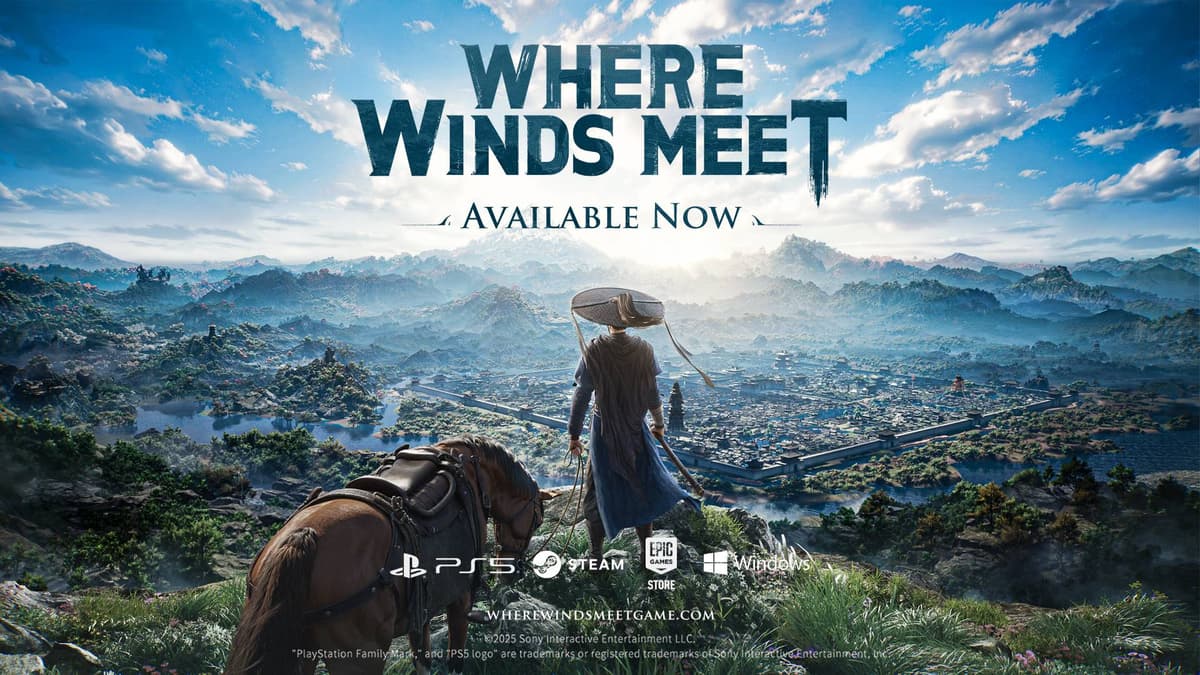
This caught my attention because it rewrites one of the modern free-to-play playbooks: NetEase’s Where Winds Meet (WWM), released November 14, is free to play, avoids gacha entirely, and still pulled huge numbers at launch – over 250,000 concurrent Steam players and roughly 85% positive reviews in week one. That’s not just hype; it’s a deliberate economic experiment that exposes how different regions value what they pay for in games.
- Key fact: WWM has no gacha – progression and gameplay are obtainable for free.
- Revenue comes from cosmetics, ranging from cheap skins to extreme whale purchases (a reported $40,000 server-wide boat).
- Significance: the model succeeds on cultural attitudes toward appearance and spending, which may not translate perfectly to Western audiences.
Breaking down the comparison with Genshin Impact
It’s tempting to slot Where Winds Meet next to Genshin Impact because both are sprawling, visually ambitious free-to-play titles from major Chinese publishers. But the similarity ends at presentation. Genshin is built around gacha: a lottery that nudges players to chase characters and weapons that alter gameplay. WWM, by contrast, locks progression behind neither summons nor paywalls – everything that affects play can be earned for free.
So where does the money come from? Purely aesthetic items and social features. And because those cosmetic purchases can be astronomical — Twitter users pointed out a player who bought a decorative boat for around $40,000 and triggered a server-wide event — you get a very different revenue shape: fewer microtransactions, more ultra-high-value purchases from dedicated spenders, aka whales.
Why this model works in Asia — and why it might struggle elsewhere
Here’s the cultural context most press releases won’t admit: many Asian player communities place a premium on character appearance in ways Western coverage underestimates. Naoki Yoshida of Final Fantasy XIV even noted Korea’s outsized consumption of glamour items; in some regions, paying for looks is normalized and accepted as a way to reward developers who provide a rich free experience.
Contrast that with Western attitudes. Outside of a few social-first games like Fortnite — where cosmetics double as social currency among peers — Western players often bristle at microtransactions and prize the idea of “not paying to win.” WWM is an odd fit: it’s structured like a solo narrative experience even when hosted on MMO servers, so the incentive to buy a flashy outfit to impress strangers is weaker.
What this means for players and the industry
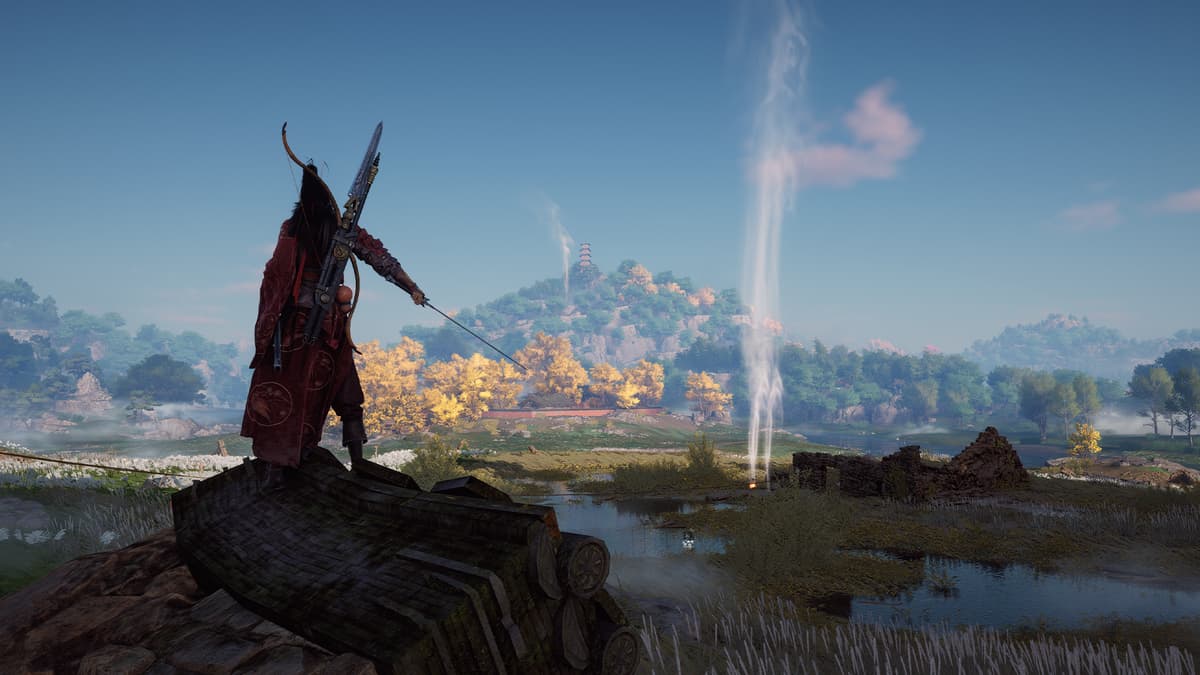
For players, the immediate win is obvious: you can experience WWM’s world and systems without succumbing to gacha-driven pressure. That’s a breathe-of-fresh-air move in a market saturated with predatory pulls and RNG anxiety. On the flip side, expect extremes — occasional items priced for whales and server-wide paid events funded by single big spenders. That social mechanic (one player buys an event everyone enjoys) is clever, but it raises questions about long-term fairness and reliance on a tiny proportion of users for the game’s finances.
From an industry angle, WWM is a test: can a cosmetics-export model that thrives in Asia scale globally when the player psychology differs? NetEase has bet that aesthetic fidelity and community spectacle will drive revenue. If it succeeds, we could see a wave of non-gacha MMOs funded mainly by looks and experience-based purchases rather than loot boxes. If it fails, it’ll underline how localized monetization strategies still are.
The gamer’s takeaway — should you jump in?
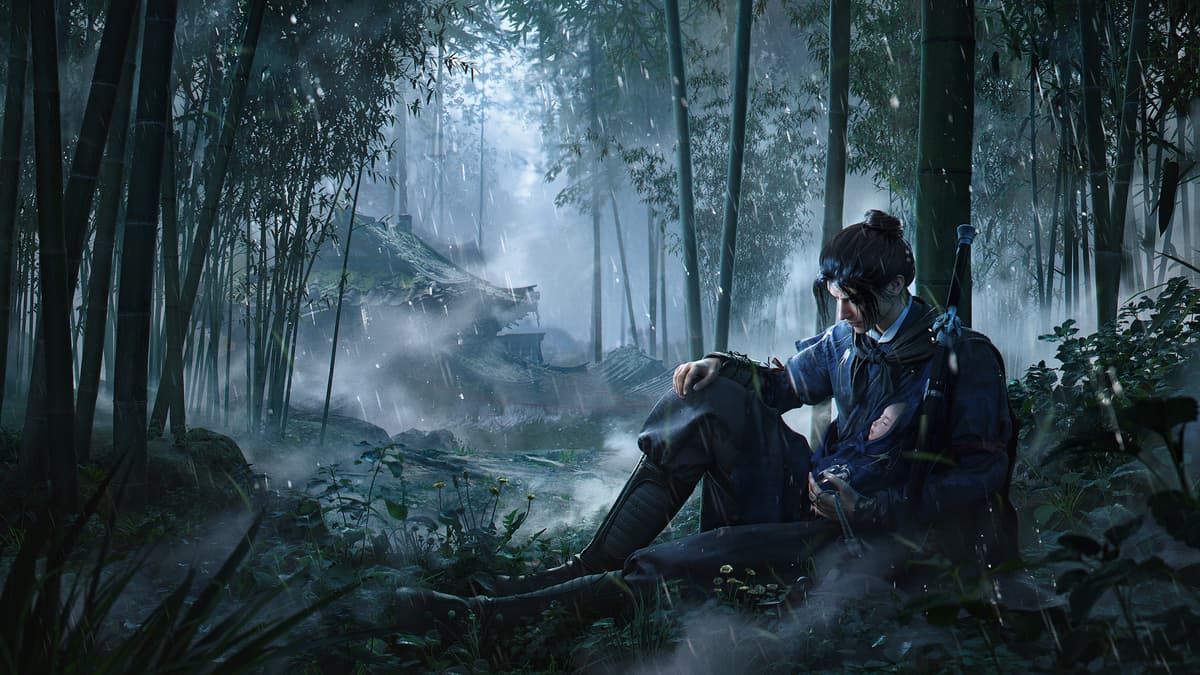
If you want to play without being nudged into a gacha loop, WWM is worth a look. If you enjoy customizing your avatar and occasionally supporting devs with cosmetics — and you’re not allergic to whales dominating social events — you’ll probably enjoy it. But if you live in regions where buying visuals feels unnecessary or performative, don’t expect to be pressured into spending. Keep an eye on how NetEase prices items in your region and whether local tastes get catered to.
TL;DR: Where Winds Meet proves you can build a successful, generous free-to-play game without gacha — but its heavy reliance on cosmetic spending exposes a cultural split in how players around the world value appearance and what they’ll pay for. Whether this becomes a new mainstream model depends on whether Western players change their habits, or NetEase reshapes its offers to meet us halfway.
FinalBoss // Gear
Level up your setup
01Mobile gaming controllerson Amazon→02Top-rated gaming headsetson Amazon→038BitDo controllerson Amazon→Affiliate links · As an Amazon Associate, FinalBoss earns from qualifying purchases.
Want to Level Up Your Gaming?
Get access to exclusive strategies, hidden tips, and pro-level insights that we don't share publicly.
Ultimate Gaming Strategy Guide + Weekly Pro Tips