
Adolescence isn’t a game, but it plays with an idea a lot of us love: the single unbroken shot. Think God of War (2018)’s “one camera” design, but applied to a four-part, stomach-knotting crime drama about a 13-year-old accused of murder. When a show delivers 142.6 million views in 90 days and sweeps the Emmys, you can shrug-or you can ask why so many people couldn’t look away. As someone who obsesses over how camera work shapes tension in games, this grabbed me fast.
Created by Jack Thorne (Skins, His Dark Materials) and Stephen Graham, and directed by Philip Barantini (the one-take chef meltdown movie Boiling Point), Adolescence launched on March 13, 2025 and detonated. It topped Netflix’s weekly charts across 93 tracked countries, became the first streaming show to lead the UK’s BARB weekly ratings, and pulled a rare double: fan obsession plus critical heavyweight status. It sits at 91 on Metacritic and 98% on Rotten Tomatoes—Guardian critic Lucy Mangan called it “the closest thing to television perfection in decades.”
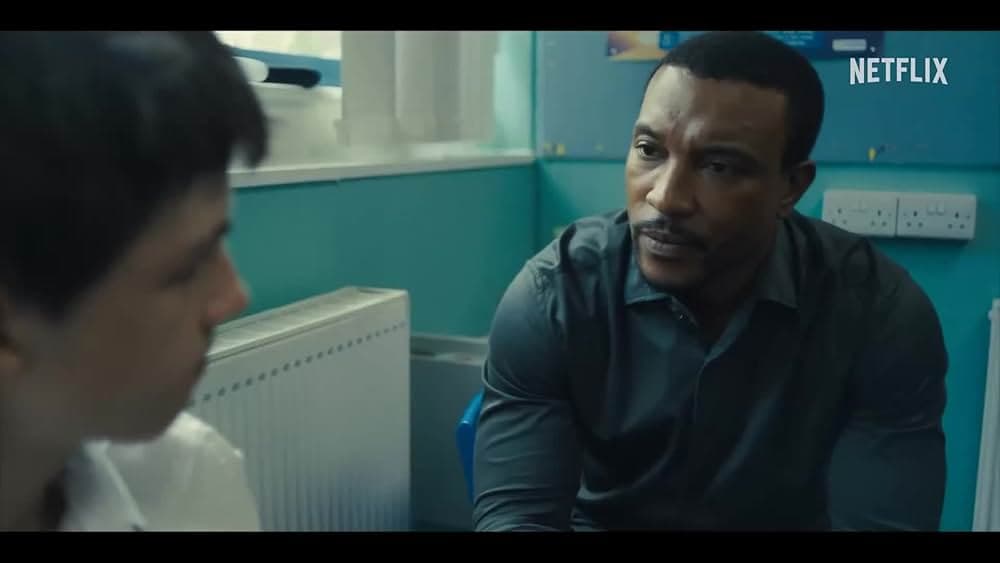
The plot stays laser-focused: Jamie Miller (Owen Cooper), 13, is arrested for the murder of a classmate, Katie Leonard. The series tracks the blast radius through his family and community while threading in the creeping influence of the “manosphere” and figures like Andrew Tate. It’s hot-button, yes—but the craft is the hook. Each episode plays out in a continuous shot, no visible cuts, which turns dialogue into boss fights and hallways into arenas where your heart rate won’t settle.
If you’ve felt the immersion of God of War’s unbroken camera—how it welds you to Kratos and Atreus—Adolescence channels that same energy for dread. Barantini did this with Boiling Point, and he’s doubled down here. No cut means no relief. When Jamie’s family confronts rumors or when school corridors fill with whispers, there’s no edit to grant distance. The camera is complicit; you’re stuck in the room like a player locked into a dialogue tree you can’t back out of.
That immersion matters. Games taught us how pacing feels when you can’t escape a perspective. The series exploits it to say something about how online radicalization and shame follow you everywhere. There’s no “pause menu” for being 13 in the blast zone of social media and algorithm-fed rage. It’s uncomfortable in a way that feels honest.
Netflix hails 142.6 million views in 90 days as record-setting for a limited series. That’s huge—but remember Netflix’s math: “views” are hours watched divided by total runtime. Shorter episodes can inflate totals, and the metric doesn’t tell you completion rate. Did 142.6M people finish the story, or sample an episode and bounce? It still screams “hit,” but it’s worth keeping your skeptic hat on when streamers trumpet self-reported stats.
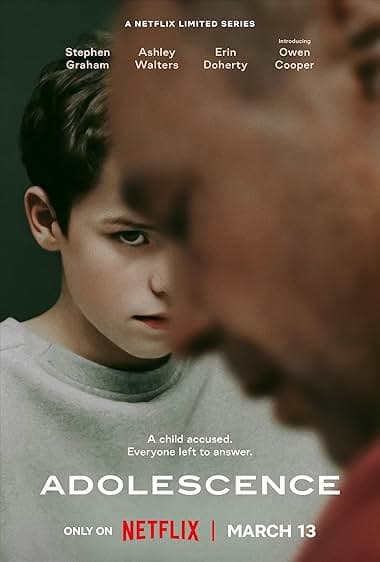
The awards do a better job of filtering hype from substance. Adolescence won the Emmy for Outstanding Limited or Anthology Series, Stephen Graham took Lead Actor, and Owen Cooper made history as the youngest male Supporting Actor winner at 15. That’s not just momentum—that’s peer validation for both the performances and the high-wire production.
Beyond craft, the themes intersect with gaming culture in messy ways. The show doesn’t blame games; it interrogates the same online ecosystems we all navigate—algorithmic outrage, parasocial “mentors,” and the badge of belonging that comes from anger. We’ve seen similar conversations around communities spiraling, whether in voice chat meltdowns, streamer-led dogpiles, or forum pipelines that radicalize under the guise of “self-improvement.” Adolescence forces that discomfort without preaching, which is a trick plenty of narrative games struggle to pull off.
It also sets a bar for one-shot storytelling that game writers and directors should watch. Imagine a detective game that commits to a no-cut, real-time chapter where your choices land with uninterrupted consequences. We’ve seen hints—12 Minutes, sections of Immortality, even tension-building sequences in Half-Life: Alyx—but this show is a reminder that continuity isn’t just style; it’s a mechanic for empathy.
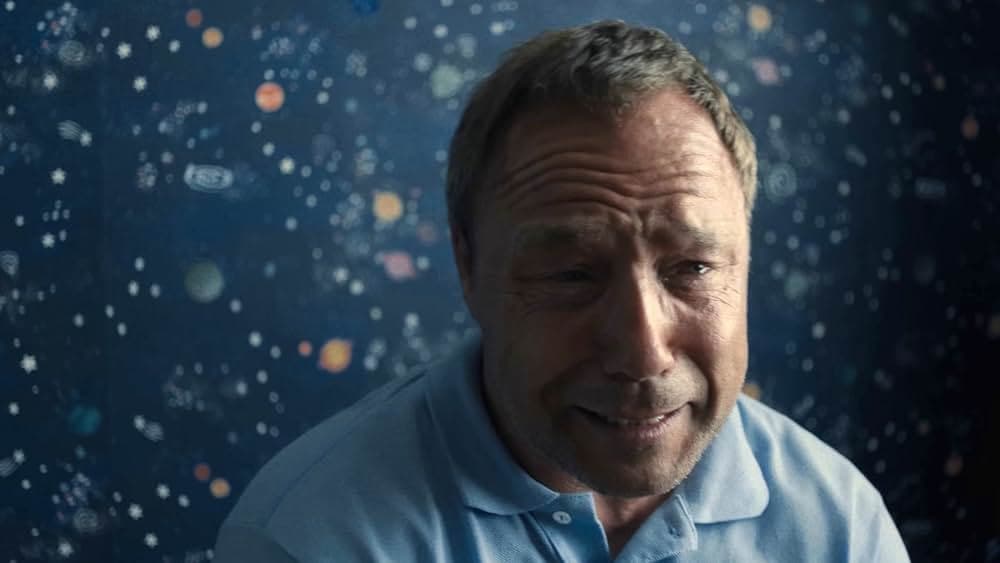
Reports say Netflix and Plan B Entertainment are already kicking around a second season. On one hand, I get it—when something hits this hard, execs smell sequel. On the other, “limited series” is supposed to mean “complete thought.” We’ve watched Netflix stretch lightning-in-a-bottle hits into… less. Squid Game had a reason to continue; many others didn’t. If Adolescence returns, anthology seems the smartest play: new case, new family, same one-shot lens on modern pressure cookers. Stretching Jamie’s story risks cheapening what this first run achieved.
Adolescence earns the buzz: fierce one-shot craft, heavyweight performances, and themes that hit uncomfortably close to our online lives. The view stats are impressive but fuzzy; the Emmys are the real stamp. If a Season 2 happens, keep it anthology—or risk breaking what made this limited series sing.
Get access to exclusive strategies, hidden tips, and pro-level insights that we don't share publicly.
Ultimate Gaming Strategy Guide + Weekly Pro Tips