
Netflix’s BioShock Movie Is Real — But Rapture’s Budget Just Sank
Game intel
BioShock
The PlayStation 3 port of BioShock was released with exclusive content, including the possibility to purchase a downloadable add-on called "Challenge Rooms" an…
Rapture Rises… On a Budget
As someone who still hears Andrew Ryan’s “A man chooses, a slave obeys” ringing in my head, the idea of a proper BioShock movie is thrilling. Netflix says it’s happening, it’s “definitely based on the first game,” and it’s got real talent attached: Francis Lawrence (The Hunger Games, I Am Legend) directing and Michael Green (Logan, Blade Runner 2049) writing. The catch? Producer Roy Lee says Netflix’s “new regime lowered budgets” in 2024, and the film is now pitched as smaller and more intimate. For a story set in a crumbling Art Deco city on the ocean floor, that’s a big swing-and a risky one.
Key Takeaways
- The film adapts the first BioShock, with Francis Lawrence directing and Michael Green scripting.
- Producer Roy Lee says Netflix cut the budget in 2024, pushing a “smaller, more personal” approach.
- Release is still “several years” away; Lawrence is tied up with The Hunger Games: Sunrise on the Reaping (2026).
- Rapture’s scale, Big Daddies, and water-heavy VFX are the pressure points a tighter budget will stress.
Breaking Down the Announcement
After years of false starts-including Universal’s 2008 attempt with Gore Verbinski that fizzled over ratings and costs-Netflix swooped in and acquired the rights in 2022, with 2K and Vertigo Entertainment producing. Roy Lee now says the foundation is set: the movie will stick to BioShock 1, the one with the plane crash, the bathysphere ride, and that first terrifying encounter with a Splicer under flickering lights. That’s the right call. Infinite is great, but Rapture is the icon.
The timeline is less exciting. The film is “years out.” Lawrence is committed to another Hunger Games entry due in 2026, and scripting on BioShock is ongoing—Lee even noted the writing pace created a window for Lawrence to tackle another project. Translation: don’t expect a teaser anytime soon. In adaptation land, that’s normal—but it means the creative choices being talked about now (tone, budget, rating) will define everything that follows.
The Budget Problem No One Can Ignore
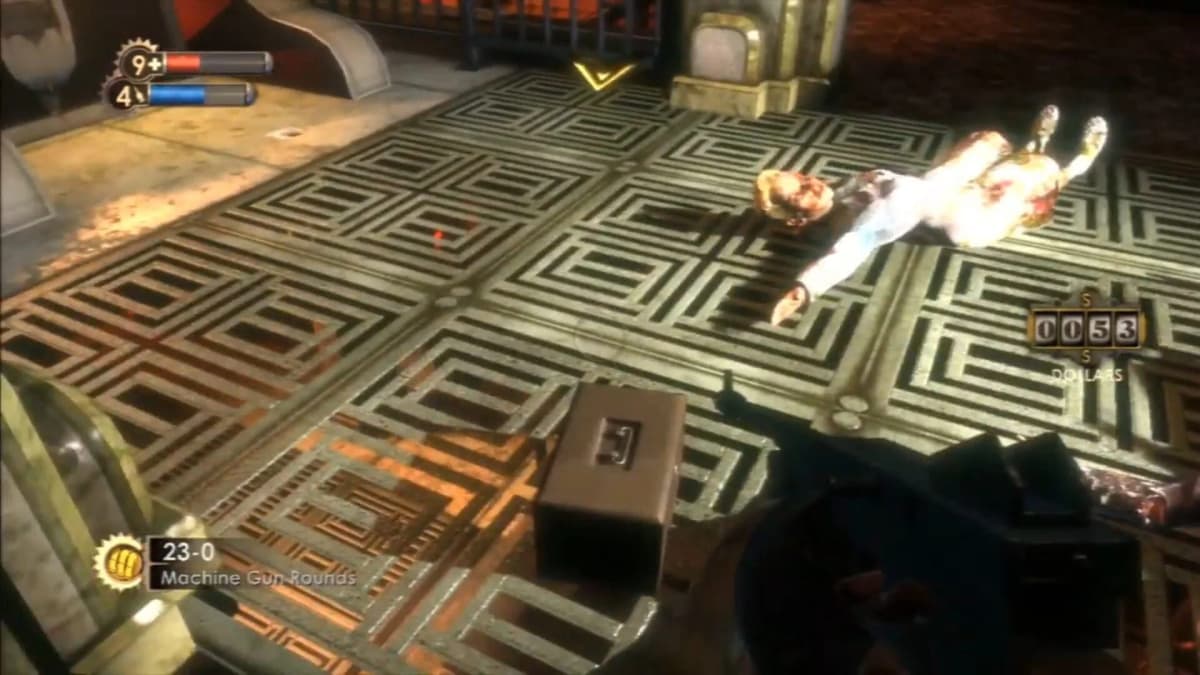
At San Diego Comic-Con 2024, Lee said a “new regime” at Netflix “lowered budgets,” shrinking BioShock from a big, sweeping production to something tighter and character-focused. On paper, intimate horror inside leaking corridors could work. In practice, BioShock’s identity is inseparable from Rapture’s scale: flooded ballrooms, panoramic views of whales drifting by neon signage, hulking Big Daddies stomping through fog and rain. Water simulation is notoriously expensive, and convincing heavy suits and period-accurate Art Deco sets aren’t exactly cheap either.
We’ve seen what happens when streamers chase scope on a diet: uneven creature work, barren backdrops, and action staged to avoid showing too much. The Witcher’s later seasons felt that squeeze. On the flip side, One Piece made the money show by investing in tangible sets and a strong art direction. For BioShock, cheap-looking water, plastic-looking Big Daddies, or sparse environments would kill immersion instantly. If the cash isn’t there, the team needs a smart visual strategy—practical builds, selective VFX, and a laser focus on mood and lighting—to sell Rapture without showing every inch of it.
Can BioShock Work Smaller?
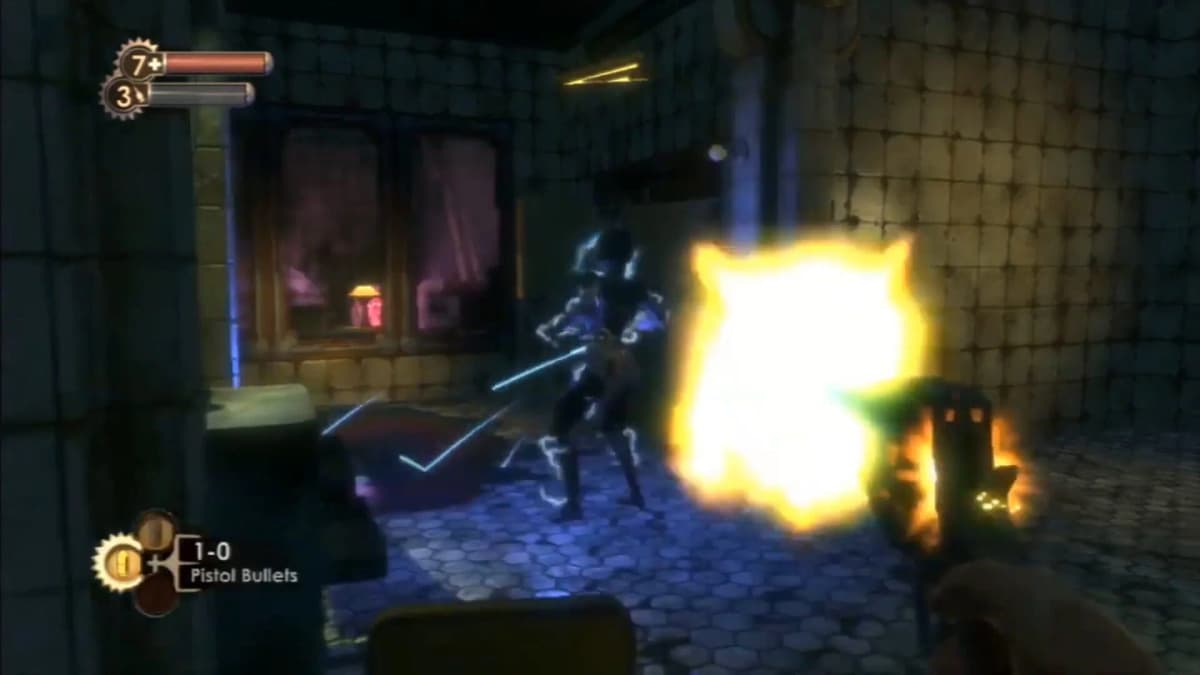
Honestly, yes—if they lean into bio-horror and tension over spectacle. Imagine a film that rarely leaves a handful of spaces: the Kashmir Restaurant, the Medical Pavilion, maybe a few maintenance shafts with the ocean pressing through. Keep Big Daddies on a Jaws-like schedule: brief, terrifying appearances rather than constant battles. That plays to Lawrence’s strengths with atmosphere (I Am Legend had great lonely-city energy) and lets Green do what he did in Logan—find character and philosophy in between the violence.
But “smaller” can’t mean “safer.” BioShock needs bite. It needs the ideological clash—Ryan’s objectivist dream rotting from the inside—and the moral discomfort of the Little Sister dilemma. And it needs to solve the central adaptation riddle: the “Would you kindly” twist lands because you, the player, are complicit. In a movie, that requires a new angle—maybe unreliable narration, maybe structure that shifts perspective—to make the audience feel the manipulation. If that core theme doesn’t hit, it’ll look like just another monster-in-the-hallway flick with fancy wallpaper.
Industry Context: The Adaptation Bar Is Higher Now
The Last of Us proved prestige adaptations can balance fidelity with film craft. Fallout showed you can build a lived-in world without drowning in CG. Arcane and Cyberpunk: Edgerunners nailed tone by committing fully to their identity. BioShock sits somewhere between all of them, but with unique technical headaches: water, glass, and metal are cruel to cheap VFX. If Netflix really is spending less, execution—not just IP recognition—will decide whether this lands closer to Castlevania or to a forgettable CG soup.
What Gamers Should Watch For
- Rating: an R lets BioShock keep its teeth; PG-13 would be a red flag.
- Production design: Does the art direction scream Art Deco decadence? Are sets practical where it counts?
- Big Daddy/Little Sister treatment: sparing screen time, heavy presence, real weight—no floaty CG.
- Music: does anyone channel Garry Schyman’s eerie strings and 50s vibe?
- Creative oversight: how visible are 2K’s fingerprints—and is Ken Levine involved at all?
- Marketing tone: philosophy and horror first, not just action sizzle reels.
TL;DR
Netflix’s BioShock is real, built on the first game, and helmed by credible talent—but 2024 budget cuts mean Rapture has to be smart, not flashy. If Lawrence and Green nail the mood, themes, and a selective approach to spectacle, this could work. If not, we’re headed for a leaky bathysphere.