
Netflix’s Splinter Cell: Deathwatch Brings Sam Fisher Back From The Shadows
Game intel
Splinter Cell: Deathwatch
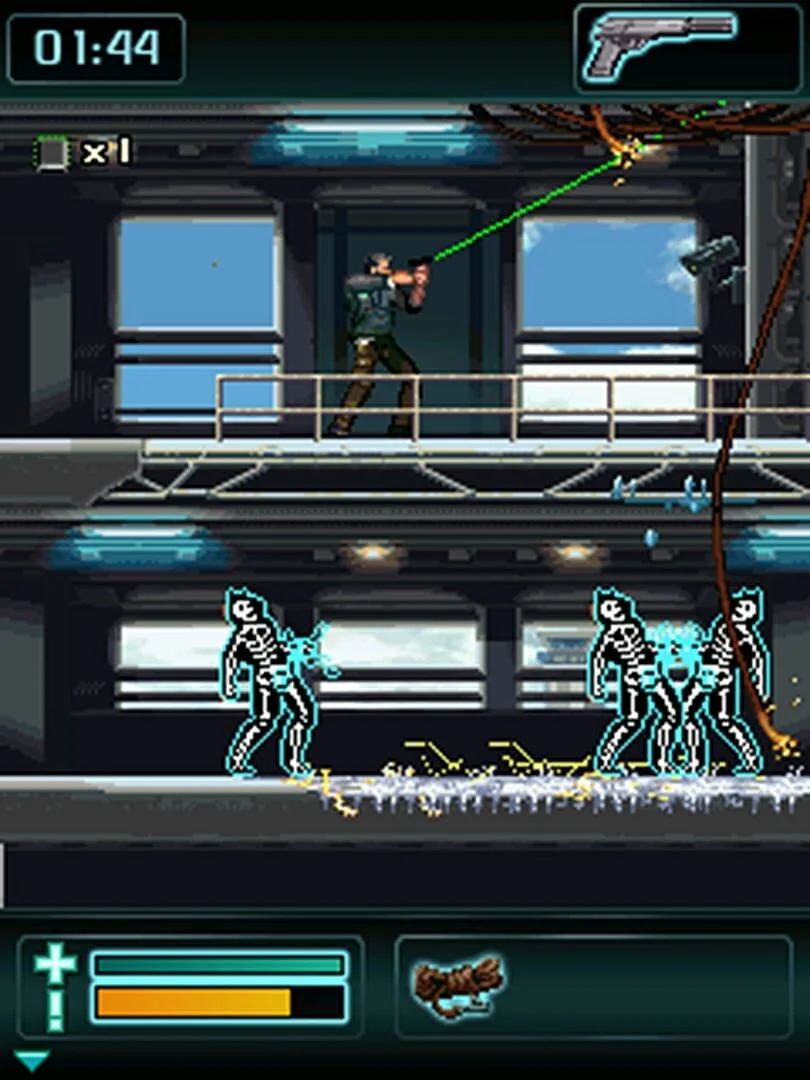
2D versions of the game were released for the Game Boy Advance and N-Gage (the latter as Tom Clancy's Splinter Cell: Team Stealth Action), as well as the mobil…
Why This Caught My Eye
Sam Fisher is finally back-just not in the game many of us have been waiting for. Netflix has dated Splinter Cell: Deathwatch for October 14, 2025, an adult animated spy thriller created by Derek Kolstad and directed by Guillaume Dousse and Félicien Colmet-Daage, with Liev Schreiber voicing Fisher. As someone who still considers Chaos Theory a stealth masterclass, this grabbed me because the franchise has been MIA in games since 2013’s Blacklist. If Netflix nails the tone, this could be more than nostalgia bait-it could remind Ubisoft why the green goggles still matter.
Key Takeaways
- Release is locked: October 14, 2025, with Season 1 confirmed-no renewal talk yet.
- Liev Schreiber steps in as Sam Fisher, signaling a deliberate tonal shift from nostalgia toward prestige drama.
- Derek Kolstad (John Wick) suggests sharp action design; the big question is whether stealth beats take center stage.
- This is the first substantial Splinter Cell narrative in a decade—expect it to set the table for Ubisoft’s long-gestating remake.
Breaking Down the Announcement
Deathwatch is pitched as a dark espionage thriller: Fisher comes out of retirement to aid a young recruit. That setup immediately reads “legacy character passing the torch,” which can go either way. Done right, you get the mentor-student tension that made The Last of Us HBO series click. Done wrong, you sideline the icon fans came to see. The creative team is promising, though. Kolstad understands clean, readable action and tactical momentum, while Dousse and Colmet-Daage’s animation direction should let the show play with light, shadow, and negative space in ways live action can’t.
The Real Story for Splinter Cell Fans
Let’s be honest: Splinter Cell has been stuck in the dark for ages. After Blacklist in 2013, the series went quiet—cameos in Ghost Recon weren’t enough—and Ubisoft announced a remake in 2021 that’s still simmering. Deathwatch is the first real chance in years to re-establish who Sam Fisher is for a new audience. For longtime players, that means specific things: methodical infiltration, sound-as-gameplay, and that electric moment when night-vision lights up a room you’ve already mapped in your head.
Liev Schreiber as Fisher will split opinions; Michael Ironside’s gravel still echoes in most fans’ skulls. But Schreiber’s range—from Ray Donovan’s quiet menace to Kingpin’s weight in Spider-Verse—actually fits a seasoned, haunted Fisher. If the writing gives him space for clipped, tactical exchanges instead of MCU-style quips, this could work.
Animation Fit: Stealth In Motion
Animation is a smarter play than live action for Splinter Cell. Arcane and Cyberpunk: Edgerunners proved that stylized worlds can elevate game-authentic storytelling. For Fisher, stylization means more than flashy action: it’s controlling light cones like gameplay mechanics, visualizing sound propagation, and making gadgets feel tactile. Picture a sequence that uses thermal, night vision, and EM overlays not as random HUD gimmicks but as narrative beats—each shift tells you something about the room, the target, the ticking clock.
If Kolstad’s action brain meets a director willing to let silence breathe, we could see heists built around darkness management, multi-angle breach plans, and non-lethal problem solving. The worst-case scenario is “John Wick with goggles.” The best case is Chaos Theory’s philosophy—information before execution—translated into visual language.
Why Now: Industry Context
Netflix has found a lane with adult animation built on gaming IP, from Castlevania to Arcane to Cyberpunk. Ubisoft’s been dabbling too—Captain Laserhawk took a wild, meta swing at the publisher’s catalog. Deathwatch feels like the prestige counterweight: grounded Tom Clancy energy with animation’s flexibility. Strategically, it’s also a runway. If the show lands, momentum flows straight into the Splinter Cell remake and any tie-in drops Ubisoft wants to line up. After a decade of false starts for stealth fans, I’ll take any domino that nudges this series back into relevance.
What I’m Watching For
- Tone and pacing: slow-burn espionage vs. nonstop gun-fu. Splinter Cell should sweat the setup, not just the takedown.
- Stealth literacy: do we see light discipline, noise baiting, and multi-path infiltration, or is it all frontal assaults?
- Gadgets with purpose: sticky cameras, fiber optics, and EMPs used as storytelling tools, not just cool props.
- Score and sound design: a nod to Amon Tobin’s tension-heavy palette would go a long way toward capturing the series’ DNA.
- The recruit dynamic: mentorship should challenge Fisher’s methods, not diminish them.
TL;DR
Splinter Cell: Deathwatch lands October 14, 2025, with Liev Schreiber as Sam Fisher and Derek Kolstad steering an adult animated spy thriller. If it embraces stealth as the star and lets silence do the talking, this could be the comeback Splinter Cell fans have been waiting for—and the spark the game remake needs.