
This one caught my attention because I’m tired of true crime turning real people into jump scares. Netflix’s The Monster of Florence (Il Mostro di Firenze), an Italian mini-series released in October 2025, takes the opposite route: four hour-long episodes that play like a precision investigation sim. It mixes testimony, archive footage, and restrained reenactments, then refuses to hand you a “gotcha” finale. For once, the lack of a final boss is the point.
Key Takeaways
- Four episodes, ~60 minutes each: tight pacing you can binge in an evening without feeling hustled.
- Focuses on facts and ambiguity over spectacle; no tidy answers because the real case never had them.
- Ethical tone: centers victims and the investigation’s fallout instead of glorifying the killer.
- If you like Her Story, Immortality, or Return of the Obra Dinn, you’ll vibe with the “assemble-the-truth” approach.
Table of Contents (7)
Breaking Down the Series
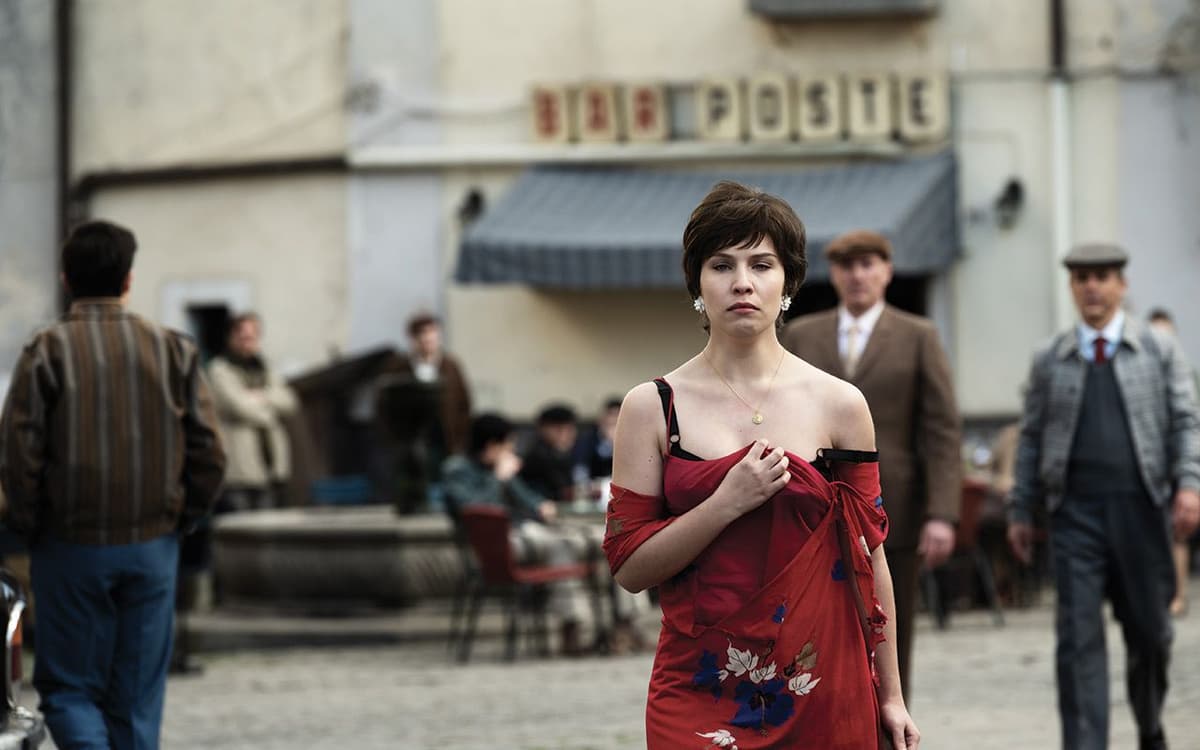
The Monster of Florence tackles a notorious real case that haunted Tuscany for decades, with crimes spanning the late 1960s through the mid-1980s. The series avoids the usual Netflix true-crime starter pack-overwrought narration, horror-movie stings, killer POV shots-in favor of clear chronology and ground-level reporting. Interviews with investigators, journalists, and those impacted are intercut with archival material and minimalist reenactments that clarify logistics instead of dramatizing cruelty.
Each episode is structured like a dossier. Episode one sets scope and stakes. The second and third entries map the investigation’s branching paths-false leads, public panic, institutional pressure—while the final hour examines how the case warped lives and reputations. It’s more about a city’s psyche and the machinery of an investigation than it is about a bogeyman.
Crucially, the series never pretends to solve what reality didn’t. That’s going to frustrate viewers waiting for a mic-drop confession. But if you’ve played through narrative puzzle boxes like Her Story or pieced together conflicting testimony in Disco Elysium, the appeal is obvious: the satisfaction comes from understanding how systems, people, and biases collide—not from a final cutscene explaining everything.
Why This Matters Now
October was stacked on Netflix—big fantasy returns, prestige dramas, algorithm-friendly doc shows. Yet this four-parter punched above its weight because it respects attention spans without dumbing anything down. Mini-series have become the platform’s meta: all-killer-no-filler runs that can dominate the charts over a weekend and then live on via word of mouth. The Monster of Florence shows how to do that without recycling the “monster as main character” formula popularized by glossier U.S. productions.
I’ve been side-eyeing the true-crime gold rush for a while. Too many shows extract shock value and call it insight. Here, the emphasis on rigor—timeline accuracy, competing theories presented plainly, careful use of reenactments—feels closer to Mindhunter’s patience than to the tabloid-y stuff. It’s slower burn, more investigative mood board than thrill ride, and better for it.

The Gamer’s Perspective: How to Binge It
- Treat each episode like a case file. Keep track of names, dates, and locations—patterns matter.
- Watch in Italian with subtitles if you can. The cadence helps sell the interviews, and the dub flattens nuance.
- Don’t multitask. This isn’t background fodder; you’ll miss connective tissue that the show refuses to re-explain.
- Expect no “mission complete” banner. The ambiguity is the design: your takeaways are the reward.
If you loved sifting through FMV clips in Immortality or cross-referencing documents in Obra Dinn, you’ll appreciate how the series trusts you to make inferences. It scratches that logic-and-lore itch without gamifying tragedy.
Where It Stumbles
Two caveats. First, the reenactments occasionally drift into mood-piece territory—tasteful, yes, but sometimes redundant when the interviewees are already compelling. Second, the middle stretch can feel like a maze of suspects and dead ends. That’s faithful to the real case, but it means your appetite for procedural sprawl needs to be higher than your craving for catharsis.
There’s also the broader ethical tension all true crime faces: transforming real grief into content. Compared to a lot of Netflix’s catalogue, The Monster of Florence shows restraint—no lurid framing, no killer worship—but it’s still tough material. Consider that a content warning for violence and the emotional toll described by those who lived through it.
The Real Story Behind the Hype
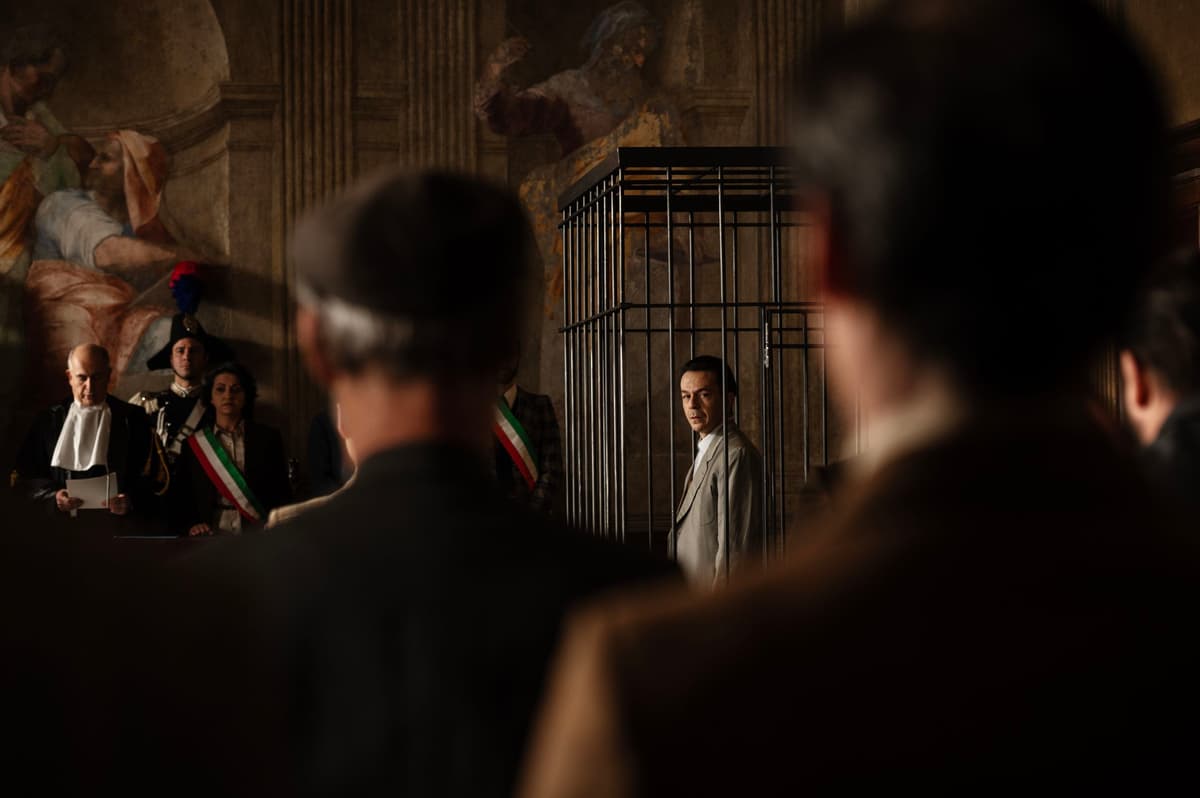
What makes this mini-series stand out isn’t a twist; it’s the refusal to manufacture one. In an era when streaming platforms speed-run “event” television, this four-episode arc feels like a tightly designed campaign: clear objectives, clean pacing, zero filler, and a finale that prioritizes what the investigation meant over what it definitively proved. That’s rare—and worth your time.
TL;DR
The Monster of Florence is a smart, restrained, four-episode true-crime binge that values evidence over theatrics. If you’re here for puzzle-box storytelling and ethical handling of a notorious case, hit play. If you need a definitive ending, adjust expectations—or skip.
FinalBoss // Gear
Level up your setup
01Top-rated gaming headsetson Amazon→02High-refresh gaming monitorson Amazon→03Gaming chairson Amazon→04Discounted game keyson Kinguin→Affiliate links · As an Amazon Associate, FinalBoss earns from qualifying purchases.
Want to Level Up Your Gaming?
Get access to exclusive strategies, hidden tips, and pro-level insights that we don't share publicly.
Ultimate Gaming Strategy Guide + Weekly Pro Tips