
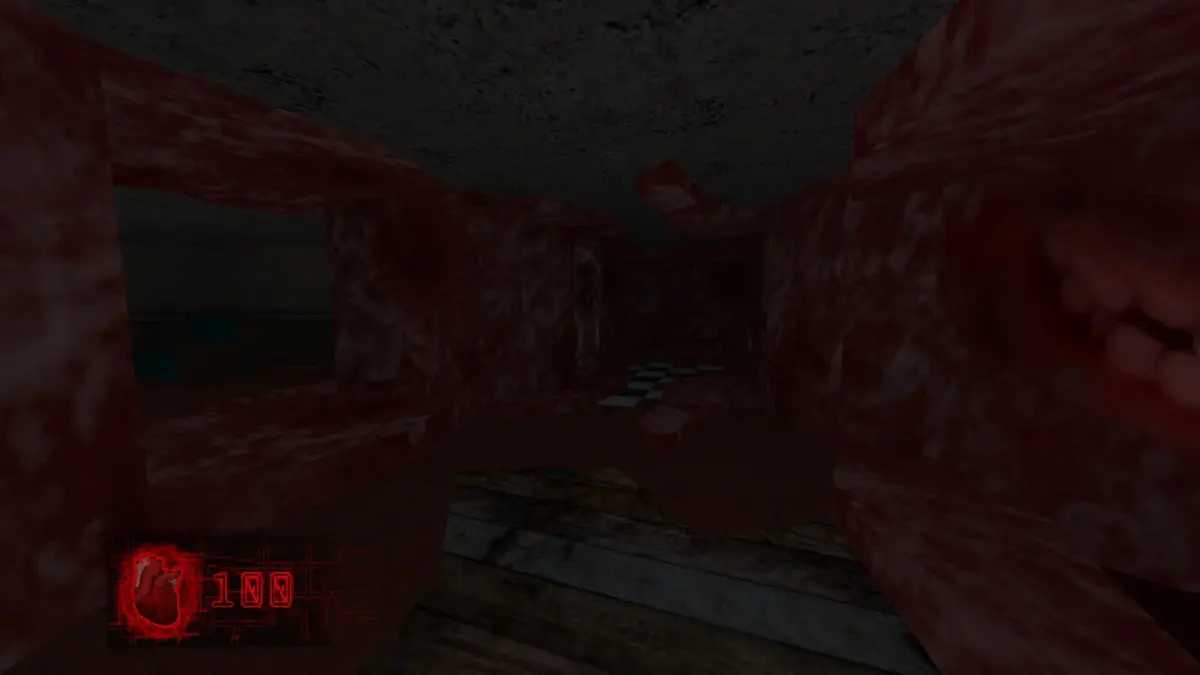
Netflix bought Night School Studio in 2021 to make a statement: its push into games would have actual creative muscle behind it. The Los Angeles team had earned trust through Oxenfree, Oxenfree II: Lost Signals, and Afterparty — games built around voice, mood, consequences, and the kind of writing that makes players sit in silence for a minute after the credits. On August 13, 2026, Netflix shut that studio down.
That would already be a grim ending for Netflix’s first game-studio acquisition. The part that turns it into an indictment of Netflix’s games strategy is the calendar. Night School’s first-person horror game Unhinged launched on June 30. In July, co-CEO Greg Peters described Unhinged and FIFA as Netflix’s strongest cloud-game debuts, delivering “really solid numbers.” Roughly six weeks after Unhinged arrived, the studio that made it was finished.
I do not buy the idea that these facts sit comfortably beside one another. Netflix can call the move an organizational refocus, and it has: the company says it wants to be “more focused in our execution.” But players should read the decision for what it communicates. At Netflix, a successful game can be useful as a content metric without earning the people who made it another project, a sequel, or even a job.
Table of Contents (6)
Night School was supposed to prove Netflix understood games
Night School was never a faceless production line. Its best work had an identity. Oxenfree used supernatural tension and conversational systems to make every interrupted sentence feel meaningful. Lost Signals expanded that approach years later. Afterparty chased a different tone, but it still carried the studio’s preference for character-driven interactive storytelling over empty engagement loops.
That mattered because Netflix had already spent years acting as though games could become an extension of its entertainment ecosystem. A studio like Night School made sense inside that pitch. It had the ability to create stories that belonged in a catalogue built around recognizable talent, television-scale presentation, and worlds people wanted to discuss after finishing them.
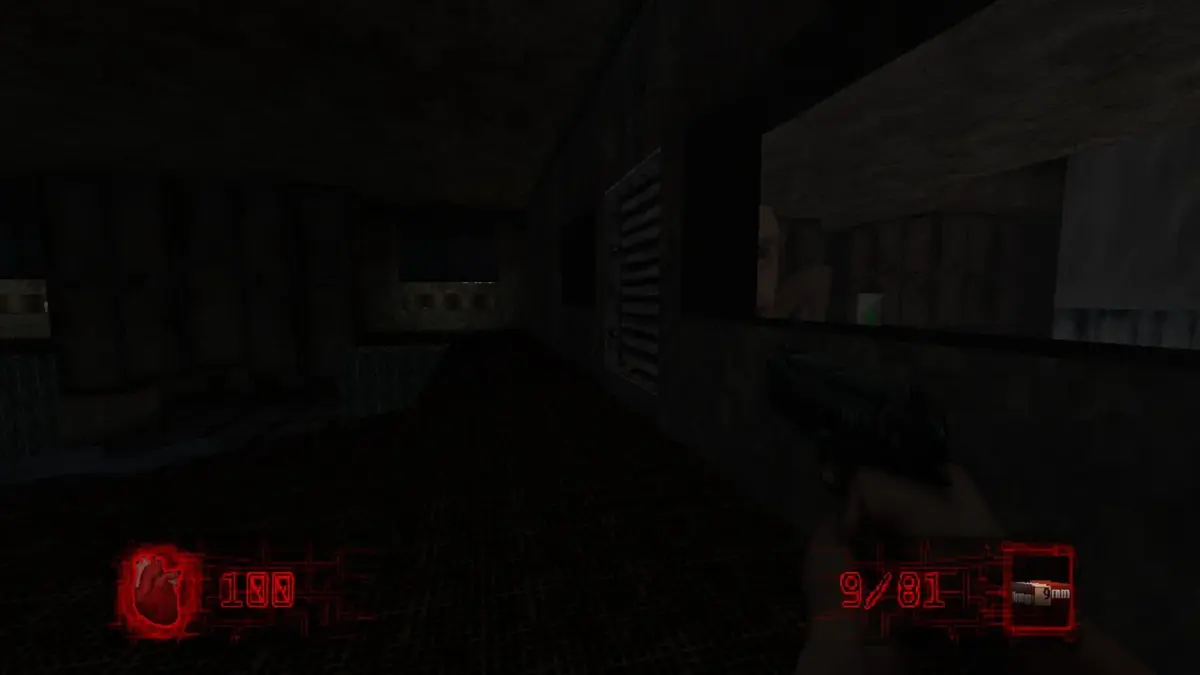
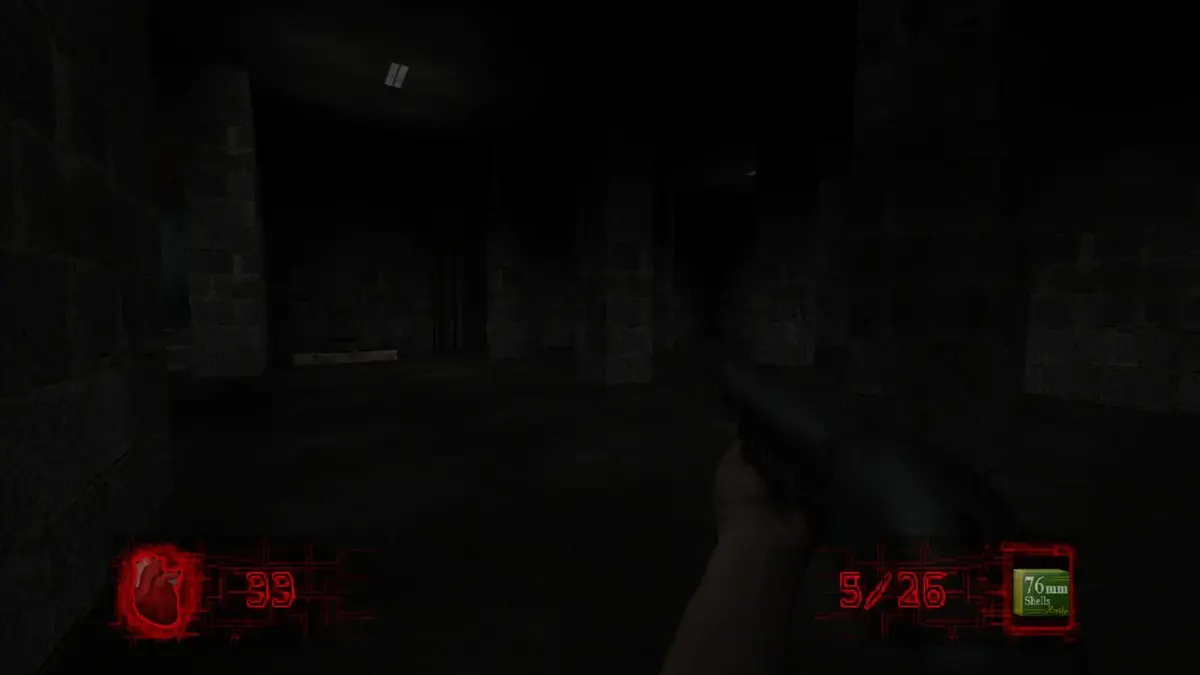
Unhinged looked like the culmination of that experiment. It was a Netflix-exclusive horror game built for cloud play on TV screens, with players selecting it through the games tab and scanning a QR code to use a phone as a controller. It featured Zoë Kravitz and Sadie Sink, with David Fincher and Zach Cregger attached to the project. Netflix had every reason to treat it as a prestige test case for its cloud ambitions.
Then Netflix praised the result and removed the studio from the future of that strategy. That is the part players should refuse to hand-wave away.
A cloud-game win that protected nobody
Netflix said cloud games such as FIFA and Unhinged were seeing stronger adoption and retention than its mobile games. Peters put Unhinged in the company’s top tier of game performance. Netflix did not provide player counts, completion rates, revenue figures, or a public threshold that explains why “really solid numbers” failed to preserve Night School. That missing information matters, because it exposes how little practical value the company’s celebratory language carries for anyone beyond an investor call.
A platform is allowed to change priorities. A publisher is allowed to decide that a studio costs more than it wants to spend. I am not arguing that every game with positive internal metrics must automatically fund a developer forever. I am arguing that Netflix’s public messaging now deserves a harsher translation.
- “Strong debut” means Netflix found a release useful.
- “Solid numbers” means a game performed well enough to cite publicly.
- Neither phrase means the developer has meaningful runway.
- Neither phrase means a creative direction has become a long-term commitment.
That is an ugly lesson, but it is the honest one. Night School did not close after a disastrous, ignored release. It closed in the shadow of a game Netflix itself held up as evidence that cloud gaming was working.
Netflix’s four-lane plan reads like a portfolio filter
Netflix says its game priorities now center on kids’ games, party games, narrative titles, and mainstream hooks. It has pointed to Netflix Playground for kids, Netflix Minigolf for party play, Unhinged for narrative, and FIFA World Cup: Launch Edition for the mainstream lane.
On paper, that is broad enough to include almost anything. In practice, it looks like a portfolio filter built around instantly legible categories. Kids’ games can serve families. Party games can turn a TV into a group activity. Major licensed sports releases carry immediate recognition. Those are easy products to explain inside a service whose greatest strength is reach.
Narrative games remain on Netflix’s stated list, but Night School’s closure makes that category feel dangerously hollow. The team responsible for some of the company’s most distinctive narrative work is gone. Netflix gets to retain Unhinged as proof that it can launch a flashy, cloud-playable horror game with famous actors. It no longer has to maintain the internal studio whose creative instincts made that kind of project plausible in the first place.
That is a strategy built to collect outcomes while treating creative continuity as optional. It favors the immediately marketable over the patiently cultivated. I understand why a company the size of Netflix finds that tempting. I also think it is exactly how a games operation becomes a showroom full of isolated releases rather than a place players learn to trust.
Moonloot makes the message even worse
Night School was not the only casualty on August 13. Netflix also closed Moonloot Games in Helsinki, the studio it founded in 2022. Moonloot had not released a game before the shutdown and had been developing an unannounced life simulation project. Netflix has not said whether that project will be cancelled, handed to another team, or emerge in a different form.
The two closures reveal Netflix’s real risk tolerance. One studio delivered a newly praised release. The other had not yet been given the chance to deliver one. Both were expendable during a refocus. That makes internal game development at Netflix look less like a durable creative investment and more like a series of conditional experiments with an aggressively short leash.
There is history here, too. Team Blue shut down in 2024. Boss Fight closed in 2025 after Netflix had acquired it in 2022. Night School now joins that list five years after becoming Netflix’s first studio purchase. Anyone pitching a game internally, joining a Netflix-owned team, or getting excited about a studio’s first release has to recognize the pattern: the platform may like the game without believing in the studio.
Players should stop treating Netflix announcements as long-term promises
The immediate situation is not a panic button for people who want to play Night School’s existing work. Oxenfree, Oxenfree II: Lost Signals, and Unhinged remain available, and Netflix has announced no blanket delistings or removals. That is the narrow piece of good news.
The bigger problem is expectation. There is no announced Unhinged 2, and there is no reason to pretend a sequel pipeline exists simply because Netflix spoke warmly about the first game’s launch. There are no announced new Night School entries, no major post-shutdown plans for its catalogue, and no clear indication that another internal team will inherit the studio’s particular talent for narrative design.
Players can still enjoy a Netflix release at launch. A cloud game can still be a good game. A famous license can still produce something worth playing. But I would no longer interpret Netflix’s promotional enthusiasm as evidence of continuing support. The company has shown that a praised game, a high-profile cast, and a strong cloud debut can all coexist with the immediate destruction of the team behind them.
Netflix wants the product, not necessarily the people who made it
That is the blunt conclusion from the Night School shutdown. Netflix’s games division is narrowing toward categories it can package cleanly: family-friendly offerings, party-friendly offerings, narrative releases that fit a moment, and mainstream properties with built-in recognition. The company may still release more narrative games. It may still produce more cloud projects built around actors and filmmakers. It may even produce another game as striking as Unhinged.
What Netflix has forfeited is the benefit of the doubt. A “win” in this games strategy no longer means the creative team wins, the genre wins, or players can count on a follow-up. It means Netflix has another data point to use while it decides which parts of its games business are worth keeping.
FinalBoss // Gear
Level up your setup
01Top-rated gaming headsetson Amazon→02High-refresh gaming monitorson Amazon→03Gaming chairson Amazon→04Discounted game keyson Kinguin→Affiliate links · As an Amazon Associate, FinalBoss earns from qualifying purchases.
Want to Level Up Your Gaming?
Get access to exclusive strategies, hidden tips, and pro-level insights that we don't share publicly.
Ultimate Gaming Strategy Guide + Weekly Pro Tips