

Netmarble’s reported buy‑in at A‑1 Pictures: the real reason Solo Leveling might get a Season 3
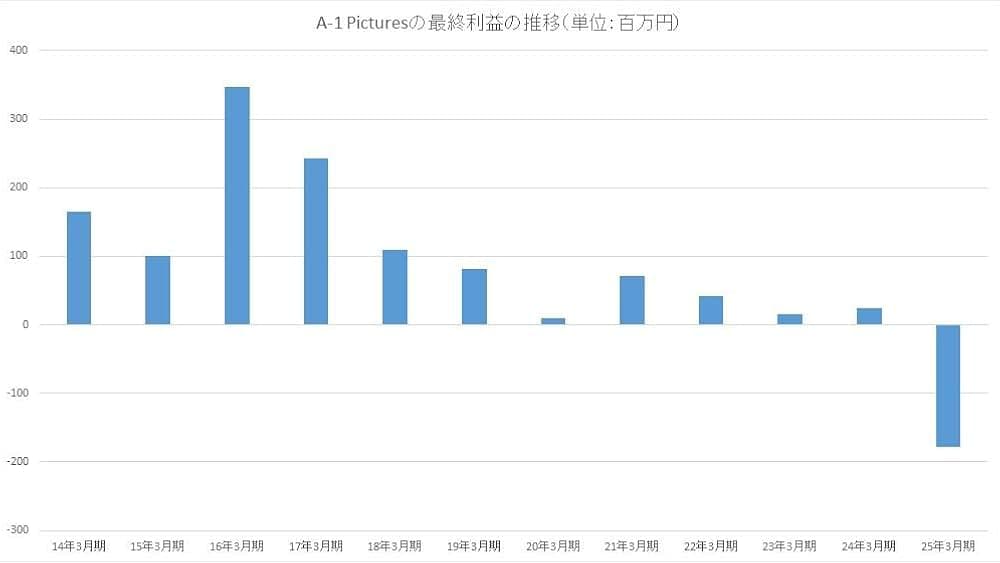
This caught my attention because it’s the most honest look yet at how cross-media IP actually survives. After Solo Leveling Season 2, A‑1 Pictures reportedly posted a loss of 178 million yen (about €1M). Now, multiple Korean trade reports say Netmarble has put roughly €1M into A‑1 for a 20% stake to keep the franchise hot and, ideally, get Season 3 moving. That’s not just an anime headline – it’s a mobile games story in disguise.
Key Takeaways
- Reports claim Netmarble invested ~€1M for 20% of A‑1 Pictures to support Solo Leveling’s future, including a possible Season 3.
- Solo Leveling’s massive streaming success doesn’t automatically pay A‑1’s bills; production committees and merch drive studio revenue.
- A mobile publisher propping up an anime makes perfect sense: Netmarble needs regular hype injections for Arise, Overdrive, and Karma.
- That 20% figure raises questions – it may be a stake in a special production vehicle rather than A‑1’s entire corporate entity.
Breaking down the report (and the eyebrow-raising math)
On paper, the story is simple: A‑1 Pictures, the Aniplex/Sony-affiliated studio behind Solo Leveling’s anime, spent big to make Season 2 look the part and is now in the red. Enter Netmarble – developer and publisher of Solo Leveling: Arise — allegedly buying a 20% stake for around €1M. If true at face value, that would imply a surprisingly tiny valuation for a major studio, which doesn’t pass the sniff test.
Here’s the likely reality: in anime, money flows through production committees and special-purpose entities set up per project. Stake percentages often refer to those vehicles, not the whole studio. So while “20% of A‑1” makes a splashy headline, I’d bet we’re talking about a targeted investment tied to Solo Leveling’s ongoing production pipeline rather than Netmarble owning a fifth of the entire company. The intent, that said, is crystal clear — keep the anime machine humming because it fuels the games.
Why a mobile publisher would bankroll the anime
Netmarble’s playbook is straightforward: live-service games live and die by content spikes. Season premieres equal login spikes, new-user bursts, and a sea of collab banners. We’ve seen this dance before — Cyberpunk: Edgerunners reignited the game overnight, and Riot’s Arcane turned lore into a growth engine. For Netmarble, Solo Leveling’s anime is the marketing arm you can’t buy with standard UA spend.
It also lines up with Netmarble’s pipeline: Solo Leveling: Arise is already live; a premium-leaning Overdrive version and a separate hack’n’slash, Karma, are reportedly in the works. A confirmed Season 3 would be the perfect on-ramp to roll out new SSRs, limited-time raids, and weapon banners themed around the next arc. If you’re playing Arise, you can already imagine the event cadence: episode drops on Friday, in-game collab raid on Saturday, pity resets on Sunday.
The catch: anime money is weird
One reason A‑1 can take a hit even after a smash season is that streaming “records” don’t directly enrich the animation studio. Licensing and platform dollars usually land with the production committee; the studio’s revenue is locked in via contracts, not per-view bonuses. Real upside comes later — merch, discs, exhibitions — and even then it’s split by whoever owns which slice of the committee pie. So yes, Solo Leveling was reportedly Crunchyroll’s most-viewed series by late March 2025, but that doesn’t mean A‑1 saw a windfall in Q1.
Also worth remembering: big animation pushes can crater schedules. A‑1’s output has had high highs and painful delays (NieR:Automata Ver1.1a fans remember). If Netmarble funding helps smooth pipelines — more staff, buffered timelines, postpipeline polish — that’s good news. If it just demands “faster, more, now” to sync with game beats, expect slippage and recap episodes. The best outcome is boring and effective: longer lead times, stable cores of key animators, and a Season 3 that doesn’t faceplant at episode 7.
Want to Level Up Your Gaming?
Get access to exclusive strategies, hidden tips, and pro-level insights that we don't share publicly.
Ultimate Gaming Strategy Guide + Weekly Pro Tips
What this means for players right now
- If Season 3 gets greenlit sooner, expect immediate tie-ins in Arise: new Hunters, boss gates pulled from the next arc, and craft mats tucked into time-limited events.
- Overdrive being positioned as a “premium” variant suggests a monetization split — watch for cosmetics-forward packs and less gacha friction vs. Arise’s banner economy.
- Karma, the hack’n’slash, is the wildcard. If Netmarble is serious, Season 3 timing becomes a marketing fuse: anime arc drops, Karma launches, Arise cross-promo rolls. It’s the full transmedia push.
- If you want to “support the anime,” merch and official releases matter far more than rewatching streams. That’s how committee revenue trickles back to production.
So, will Solo Leveling get a Season 3?
The franchise looks too hot — and too strategically valuable — to stall. With live-action reportedly in development at Netflix, a new webtoon on the way, and multiple games tied to the IP, there’s every incentive to keep the anime rolling. The open question is timing and quality. If this investment is real and targeted, we might get a steadier production calendar rather than a rushed one. That’s the difference between another community-defining season and a hype cycle that burns out by episode 4.
TL;DR
Reports say Netmarble is buying into A‑1 Pictures to keep Solo Leveling’s anime alive — not out of charity, but because the games need the anime’s oxygen. The headline numbers are fuzzy, but the strategy is clear: fund Season 3, sync the hype, and turn views into logins. If the money stabilizes production, everyone wins. If it corners the schedule, brace for delays.