
Neverness to Everness isn’t just trying to look like “anime GTA.” It’s trying to buy trust in a genre that burned through most of it years ago. The headline number is loud enough: roughly 470 free pulls through launch content, with some reports putting the broader Version 1.0 total closer to 590 when login rewards are included. But the part that actually matters is simpler and rarer: NTE says it has removed the standard 50/50 loss on limited character banners. If that holds up in practice, this is not normal gacha generosity. It’s a direct attack on one of the genre’s most resented monetization habits.
For players, the short version is good: when you hit an S-Rank on a limited banner, it’s supposed to be the featured character, not a coin flip that dumps you into a consolation prize after weeks of saving. NTE also layers that with pity thresholds that reportedly start improving your odds at 70 pulls and guarantee an S-Rank by 90. That is the sort of system that doesn’t just sound generous in a livestream slide deck; it changes how safe it feels to actually commit resources.
Table of Contents (5)
The free-pull number is flashy, but it’s also marketing math
Let’s deal with the big number first, because this is where publishers love to get slippery. The “470 free pulls” figure appears to refer to rewards earnable through gameplay, missions, exploration, and launch content. Separate reports and launch messaging also mention around 120 easier upfront pulls from logins and onboarding rewards, which is how you get to the larger “up to 590” total floating around. Those numbers are not necessarily contradictory, but they are counting different buckets.
That distinction matters because “free pulls” can mean very different things depending on how front-loaded they are. Twenty pulls in your mailbox on day one is one thing. Hundreds tied to map completion, event tasks, account progression, and time-limited engagement is another. Publishers know exactly how impressive a giant cumulative total looks in a headline. Players should care more about how many meaningful pulls they can access early enough to matter for the first limited banners.
That doesn’t make NTE’s offer fake. It just means the real consumer question isn’t “is 470 a big number?” Obviously it is. The real question is how much of that number is available before the game starts nudging you toward spending because the honeymoon banner is about to rotate out.
Killing the 50/50 is the part that could genuinely change the pitch
The 50/50 system became industry standard for a reason: it’s brutally effective. It creates the illusion of fairness while quietly doubling the cost of certainty. You save for pity, hit your gold animation, and then lose a coin toss to an off-banner unit. Suddenly your “guarantee” is really just a down payment. Everyone reading this knows the routine.
NTE’s promise is that limited S-Ranks are just the featured S-Rank. No coin flip. No “better luck next pity.” If Hotta Studio sticks to that model, it removes one of the genre’s most manipulative friction points. That doesn’t make the game anti-gacha. Let’s not get carried away. There are still banners, currencies, pity thresholds, and separate weapon-style systems. But it does mean NTE may be shaving off the specific layer of cruelty that turns “I got lucky” into “I got taxed.”
Historically, gacha games love to advertise generosity at launch because launch generosity is customer acquisition spend wearing a party hat. What they almost never do is cut out a proven revenue mechanic entirely. That’s why the no-50/50 angle matters more than the pile of freebies. One is a promotion. The other is a structural design choice.
The board-and-dice pity system is clever, but players should read the fine print
NTE wraps its summoning in a board-game presentation: pulls roll a die, move a pawn, and award rewards based on the tile you land on. On paper, it’s a cute way to make standard gacha intake feel less like feeding currency into a slot machine. Underneath, though, it’s still a probability system, and the key details are the pity thresholds.
Current reporting says soft pity begins at 70 pulls, where the board changes to improve the chance of S-Rank outcomes and convert tiles into more favorable results. Hard pity lands at 90 pulls, guaranteeing an S-Rank. That is meaningfully better than systems that hide the real odds behind vague wording or force players into a two-pity worst-case scenario because of the 50/50. It also sounds more psychologically readable, which is not a small thing in a game built to keep players engaged long-term.
The caveat is obvious: readers should not assume every banner uses the exact same rules. Reporting around NTE already points to separate weapon or Trinity Key-style banner behavior, and weapon banners in gacha land are where publishers often sneak the sharpest knives. If I were pressing the PR rep, the first question would be blunt: are the same no-50/50 guarantees and pity expectations applied consistently across character, weapon, and future special banners, or is the generosity concentrated where it looks best in launch marketing?
This is also a trust-repair move after years of player fatigue
NTE is launching into a market where players are no longer impressed by “we have pity” as a feature. That bar was cleared ages ago. What players want now is predictability. They want to know what saving gets them, how punishing banner losses are, and whether the game respects the difference between bad luck and engineered frustration.
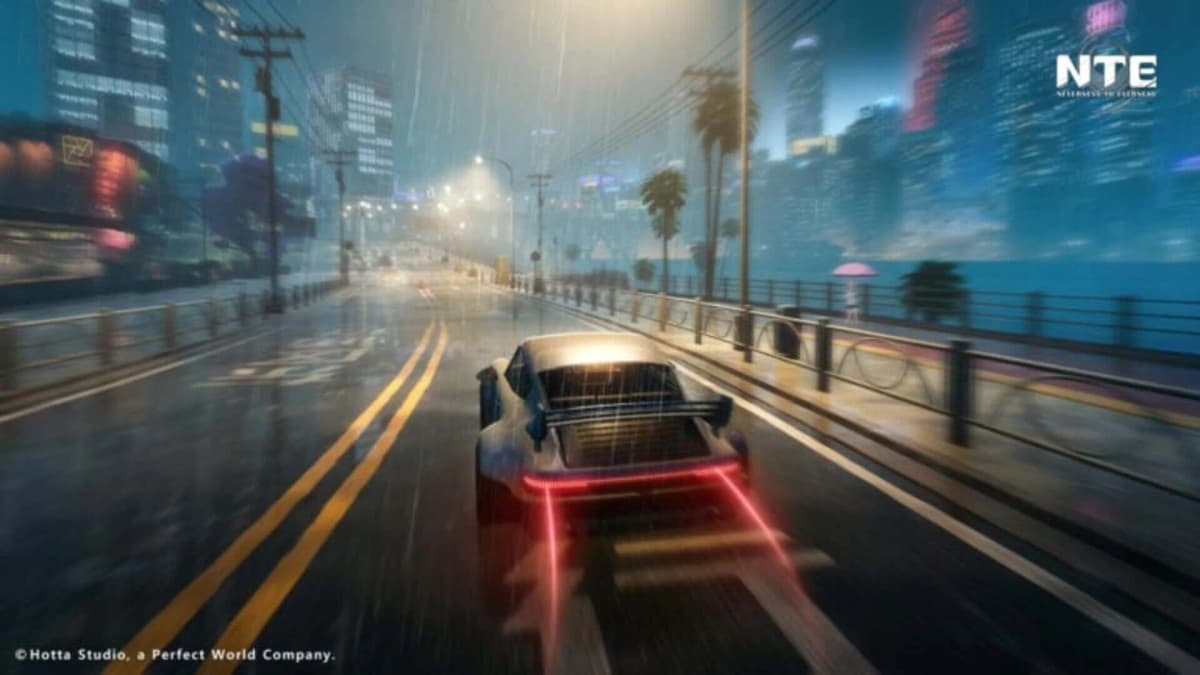
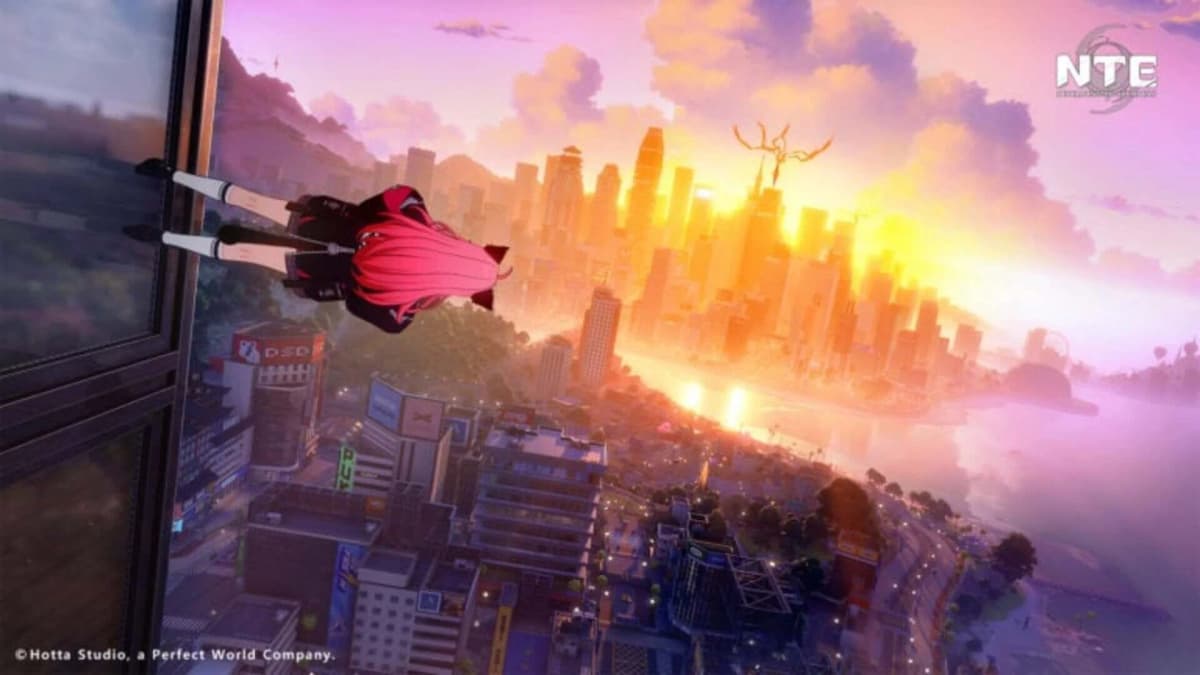
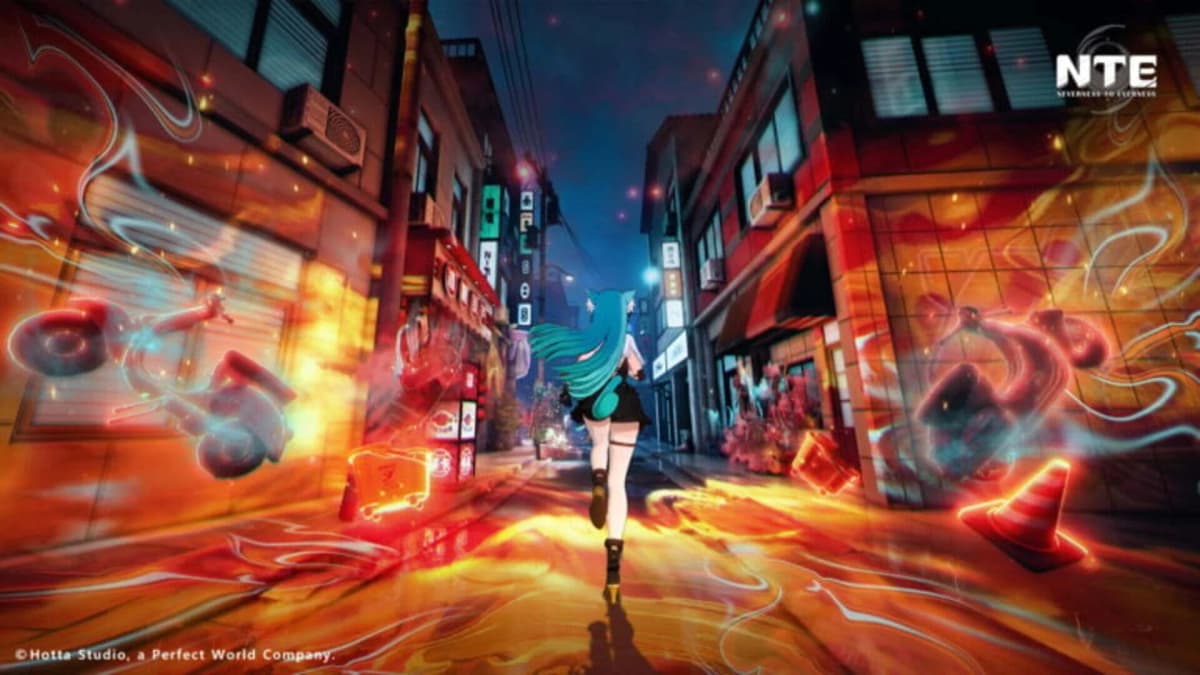
That’s where NTE may have found an opening. The game already has attention for its urban open-world pitch, side activities, and glossy anime presentation. But crowded gacha launches live or die on whether players feel safe investing time before they invest money. A no-50/50 limited banner is the kind of rule that gets passed around Discord servers by people who normally treat launch monetization claims like biohazards.
There’s also a practical benefit here. A more predictable banner economy makes rerolling less central, reduces buyer’s remorse, and gives free-to-play players a clearer path to planning. That does not magically make the economy generous forever. Live-service games can tighten screws later through banner cadence, power creep, split currencies, and event design. But as a first impression, this is smarter than the usual bribe-and-shrug approach.
What to watch next
- How many of those claimed pulls are realistically available in the first couple of weeks, before the initial featured banners rotate.
- Whether future banners preserve the no-50/50 rule or carve out exceptions for collaborations, weapons, or premium seasonal units.
- How aggressive the weapon and Trinity Key systems are, because that’s the obvious place for monetization pressure to reappear.
- Whether players report that soft pity at 70 and hard pity at 90 function exactly as advertised once enough pull data accumulates.
- How fast power creep arrives. A fairer pity system loses some shine if every new banner is tuned to make last month’s win feel obsolete.
Right now, the fairest read is this: NTE’s giant reward total is useful, but temporary. The removal of the 50/50 is the real story because it changes the cost of trust. If Hotta keeps that promise beyond launch-week theater, other gacha publishers are going to look even more shameless than they already do.
FinalBoss // Gear
Level up your setup
01Top-rated gaming headsetson Amazon→02High-refresh gaming monitorson Amazon→03Gaming chairson Amazon→04Discounted game keyson Kinguin→
Affiliate links · As an Amazon Associate, FinalBoss earns from qualifying purchases.
Want to Level Up Your Gaming?
Get access to exclusive strategies, hidden tips, and pro-level insights that we don't share publicly.
Ultimate Gaming Strategy Guide + Weekly Pro Tips