
Table of Contents (7)
Asha Sharma dropped her gamertag and Halo stats on X – and that tells you everything about how gaming credibility is earned now
The real result of Asha Sharma posting “Beep Boop Beep Boop,” sharing her Xbox gamertag (AMRAHSAHSA) and listing Halo, Valheim and GoldenEye among her favorites isn’t that Microsoft suddenly has a new Halo evangelist. It’s that a freshly installed executive is using visible, verifiable play history as a cheap, fast way to push back against two simultaneous problems: skepticism about her CoreAI background and online grumbling that she’s a corporate parachute rather than a gamer.
Key takeaways
- Sharma’s gamertag and activity in Halo: The Master Chief Collection are a deliberate credibility play – easy to stage, harder to refute quickly.
- The timing matters: the posts hit right after a leadership shakeup and public promises about “no bad AI,” giving her an immediate, human counterpoint to tech-focused skepticism.
- Public gaming activity reduces some optics problems but doesn’t answer deeper concerns about rapid promotions or policy direction on AI in games.
- What looks like authenticity can still be amplified or weaponized; verification by community trackers and follow-up policy moves will determine if this was a stunt or the start of a different leadership tone.
Why a gamertag matters more than you think
In 2026 optics are part of credibility. When a CEO candidate arrives from CoreAI and a string of short tenures at major tech firms, the community’s default reaction is scrutiny. Posting a gamertag with recent achievements is low-cost, public proof: anyone can check leaderboards, screenshots and activity logs. IGN flagged Sharma’s reply and profile activity as the first direct fan rebuttal to doubts about her gaming background; she even joked “Beep Boop Beep Boop” at a user claiming her account was run by AI.
The uncomfortable observation: it’s performative by design
This was almost certainly a staged piece of signal management, and that’s not automatically bad. Microsoft needed a quick way to show that the new head of Xbox actually plays games and cares about the culture she’s now stewarding. Posting a gamertag does that without committing to policy or product decisions. It’s cheap PR theatre with one big asset: it responds to the single simplest test gamers use for credibility – “Do you actually play?”
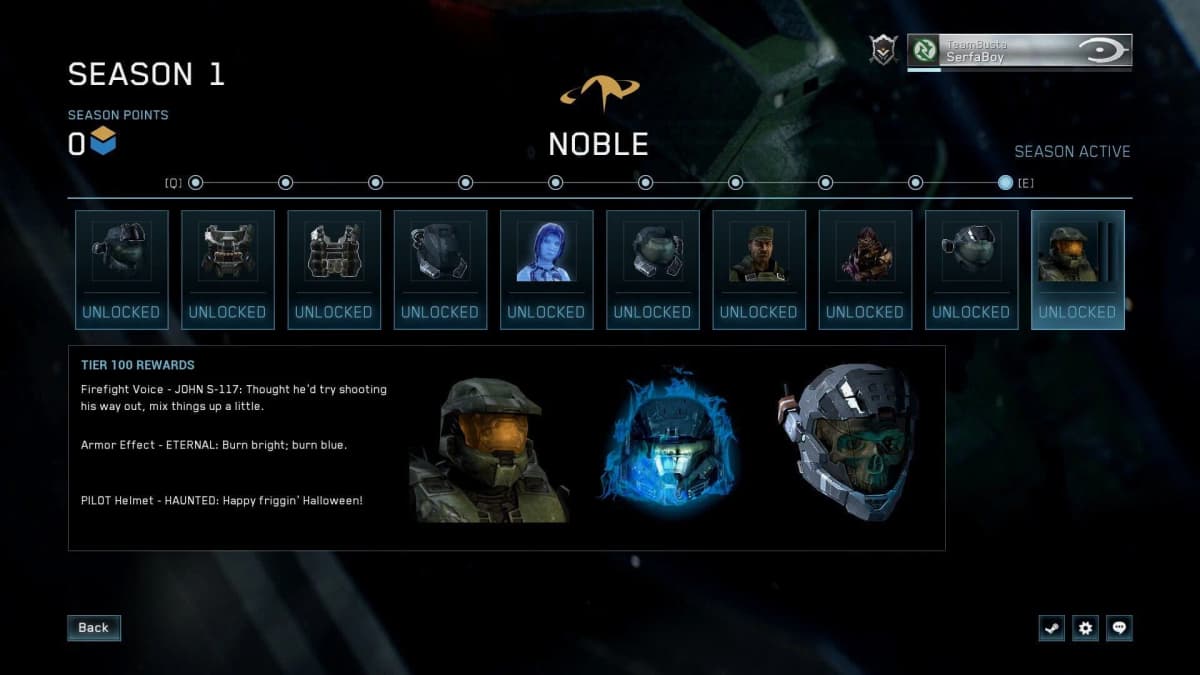
But performative authenticity can be fragile. Achievements can be gifted, boosted, or misinterpreted; activity lists can be curated. The post defuses a headline-friendly narrative — “tech exec moves into gaming, won’t understand us” — while leaving the harder questions untouched: how will Sharma’s AI background shape Xbox’s toolset for developers, and will Microsoft prioritize creative risks during a quarter where gaming revenue has trended down?

What the PR team hoped you wouldn’t notice
The team wants attention on the human detail — “she loves Halo” — not on structural questions like promotion cadence, the departures of Phil Spencer and Sarah Bond, or how CoreAI approaches might influence content pipelines. Sharma’s public promise of “no tolerance for bad AI” is useful, but saying you won’t flood games with “soulless AI slop” and actually setting guardrails for third-party studios are different things. The gamertag buys trust; policy will buy it back — if it’s bought at all.
What to watch next
- Community verification: look for independent screenshots and Xbox tracker evidence confirming AMRAHSAHSA’s achievements and play history.
- GDC and Xbox Showcases: will Sharma follow the credibility stunt with concrete commitments — clear AI guidelines, dev funding, and release roadmaps — or more rhetoric?
- Microsoft’s response to online backlash: will the company address accusations of nepotism and rapid promotions with transparency or let them fester on X?
- Developer signals: if studios publicly question AI tooling or ownership, that’s when the gamertag no longer protects her credibility.
Nadella’s endorsement of the Sharma/Booty pairing framed it as “consumer product leadership and gaming depth.” The gamertag is the physical version of that talking point: small, visible, and easy to retweet. Whether it turns into durable trust depends on decisions that can’t be made with a profile update.

TL;DR
Asha Sharma put her Xbox gamertag and Halo play history on full display to counter doubts about her AI background and gaming creds. It’s a smart, low-cost credibility move that answers a simple social test but dodges deeper questions about AI policy and leadership pace. Watch for community verification and whether her upcoming GDC/Xbox Showcase remarks back the gesture with real developer-facing commitments.
FinalBoss // Gear
Level up your setup
01Best-selling Xbox Series X|S gameson Amazon→02Xbox controllerson Amazon→03Top-rated gaming headsetson Amazon→04Discounted game keyson Kinguin→Affiliate links · As an Amazon Associate, FinalBoss earns from qualifying purchases.
Want to Level Up Your Gaming?
Get access to exclusive strategies, hidden tips, and pro-level insights that we don't share publicly.
Ultimate Gaming Strategy Guide + Weekly Pro Tips