
Table of Contents (8)
Why this matters faster than your roadmap
If your game still uses loot boxes, opaque currency bundles, or pressure-driven purchase prompts, 2026 just turned from “nice-to-consider” into “must-fix.” New York’s attorney general has sued Valve, calling its loot‑box systems indistinguishable from illegal gambling and seeking restitution and fines – and that lawsuit landed in the middle of a broader regulatory squeeze that’s already forcing studios to redesign UI flows, monetisation mechanics and moderation tools.
- What happened: New York AG Letitia James sued Valve, targeting Counter‑Strike 2, Team Fortress 2 and Dota 2, alleging loot boxes and the Steam Community Market facilitate illegal gambling.
- Wider context: This is the latest enforcement in a year where regulators and ad bodies (EU rules, national competition and advertising authorities, and the FTC) have tightened rules on dark patterns, loot boxes, virtual currency transparency, moderation duties and AI labelling.
- What studios must change: Clear odds disclosures, less manipulative UI defaults, robust age‑gating, tighter virtual‑currency pricing and active moderation – not just “report” buttons.
This suit is the practical endgame of a trend regulators warned about
The New York filing is blunt: animated roulette wheels, chance‑based item openings, and a market where virtual items trade for real money look and behave like gambling – and regulators are no longer treating them as a niche consumer protection problem. Multiple outlets report the suit accuses Valve of profiting by letting minors and adults “illegally gamble” and asks courts to disgorge profits and impose penalties; Valve’s only visible response on Steam was a terse link to legal pages. That silence is telling.
Why studios should stop treating UI as decoration
Regulators aren’t just after loot boxes. They’ve focused on the mechanics that coax players into buying: countdowns, repeated prompts, default settings that let minors spend freely, and bundled currencies that hide real prices. The Italian Competition Authority’s probe into alleged “misleading and aggressive” UI in major mobile titles and recent ad rulings in the UK and Netherlands show authorities are applying existing consumer laws to game UX — and they’re finding problems.
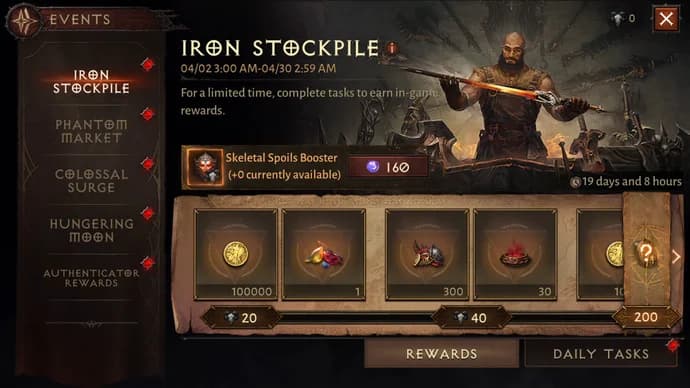
What that means in practice: studios must remove manipulative nudges, make purchase paths explicit, and set safety‑protective defaults for underage accounts. That isn’t polishing a checkbox; it’s a product redesign that touches onboarding, telemetry, and A/B testing frameworks.
Loot boxes and virtual currency: the line regulators care about
The legal risk crystallizes when chance meets real‑world value. Regulators want clear odds, prominent disclosures on storefronts and within purchase flows, and managers to consider whether in‑game economies leak value to secondary markets. Recent enforcement — including a high‑profile FTC action last year and ad regulator rulings requiring explicit loot‑box disclosures on store listings — shows fines and forced disclosures are the likely near‑term outcome, not just guidance.

The moderation and AI angle studios can’t ignore
Alongside monetisation, online‑safety rules are shifting the burden of moderation. Passive report systems won’t pass muster: regulators expect active filtering, age verification, and risk assessments for features that expose minors to adults or to monetisation pressure. At the same time, looming AI labelling rules (notably the EU AI Act provisions currently slated for implementation) will require games to mark AI‑generated assets and deepfakes — a small compliance label potentially creating big product decisions for voice cloning, localisation and performance capture pipelines.
The question PR teams hope you won’t ask
How much will compliance cost and slow live ops? Short answer: non‑trivial. Saying “we’ll add a disclosure” is different from ripping out optimized monetisation funnels, reworking telemetry, retraining moderation models, and redoing store metadata. This is a product‑management, legal and engineering problem at once — and investors, publishers and studios need to budget for it now.

What to watch next
- Valve court filings and the AG’s motion schedule — the complaint’s legal theories will signal whether state gambling laws are a viable enforcement path (watch docket activity in the coming months).
- Appeals or actions by other state AGs and the FTC — parallel suits or settlements set templates developers will have to follow.
- EU AI Act timing — regulators signalled an August effective window; any delay or clarification will directly affect how studios label AI assets.
- Ad regulator rulings on storefront listings — expect more explicit requirements to flag loot boxes and in‑game purchases on App Store/Play Store pages.
If you run monetisation, product or legal for a live game: stop pretending this is about PR. Start a cross‑functional audit now — odds disclosures, purchase flows, default privacy/purchase settings for minors, and active moderation workflows should be task one.
TL;DR
New York’s lawsuit against Valve treats loot boxes as gambling and joins a year of enforcement that makes dark‑pattern UI, hidden currency pricing, weak moderation and unlabelled AI assets immediate compliance problems. This isn’t optional UX hygiene anymore — it’s product redesign, legal risk and potential financial liability. Watch court filings, EU AI rules, and ad regulator decisions; those will set the playbook studios must follow.
FinalBoss // Gear
Level up your setup
01Top-rated gaming headsetson Amazon→02High-refresh gaming monitorson Amazon→03Gaming chairson Amazon→04Discounted game keyson Kinguin→Affiliate links · As an Amazon Associate, FinalBoss earns from qualifying purchases.
Want to Level Up Your Gaming?
Get access to exclusive strategies, hidden tips, and pro-level insights that we don't share publicly.
Ultimate Gaming Strategy Guide + Weekly Pro Tips