
Crimson Desert’s next big patch matters for one simple reason: this is no longer basic bug-fixing. Pearl Abyss is now rewriting how the game actually feels to play. Difficulty options, better inventory sorting, control presets, replayable boss fights, enemy respawns at outposts, outfit support, and distant scenery improvements are all slated for the update that slipped into next week for extra “test and polish.” That sounds generous on paper. It also reads like a studio admitting that some of the most obvious player pain points made it into release.
- The headline feature is the new difficulty selection: easy, normal, and hard. That is not a minor tweak. It changes who the game is for.
- Inventory tabs and storage improvements are pure quality-of-life, but they’re also the kind of thing players notice in the first five hours when they’re missing.
- Replayable bosses are smart. In a combat-driven action RPG, locking good fights behind one-and-done progression is wasted content.
- The delay is probably the least worrying part of this story. If anything, taking another week to test a larger patch is more responsible than rushing out another half-finished fix.
Table of Contents (6)
This is a course correction, not just a content drop
The most important addition here is the difficulty menu. Easy, normal, and hard should not be a revolutionary feature in 2026, but in Crimson Desert it changes the shape of the conversation around the game. Post-launch difficulty settings usually mean one of two things: either the developer underestimated how uneven its combat onboarding would feel, or it realized too many players were bouncing off before the game could show its best stuff. Sometimes both.
That doesn’t make the update bad. Quite the opposite. It makes it useful. But let’s call it what it is. When a studio adds broad accessibility and balance-facing options after launch, that is a response to friction the audience already found for them. Most outlets will frame this as Pearl Abyss generously listening to feedback. True enough. The less comfortable version is that players are doing late-stage design QA in public, and the game is being reshaped around that feedback in real time.
If I were in the room with the PR rep, the question would be blunt: were these difficulty settings always planned for post-launch, or did retention and player behavior force the issue? Because those are very different stories.
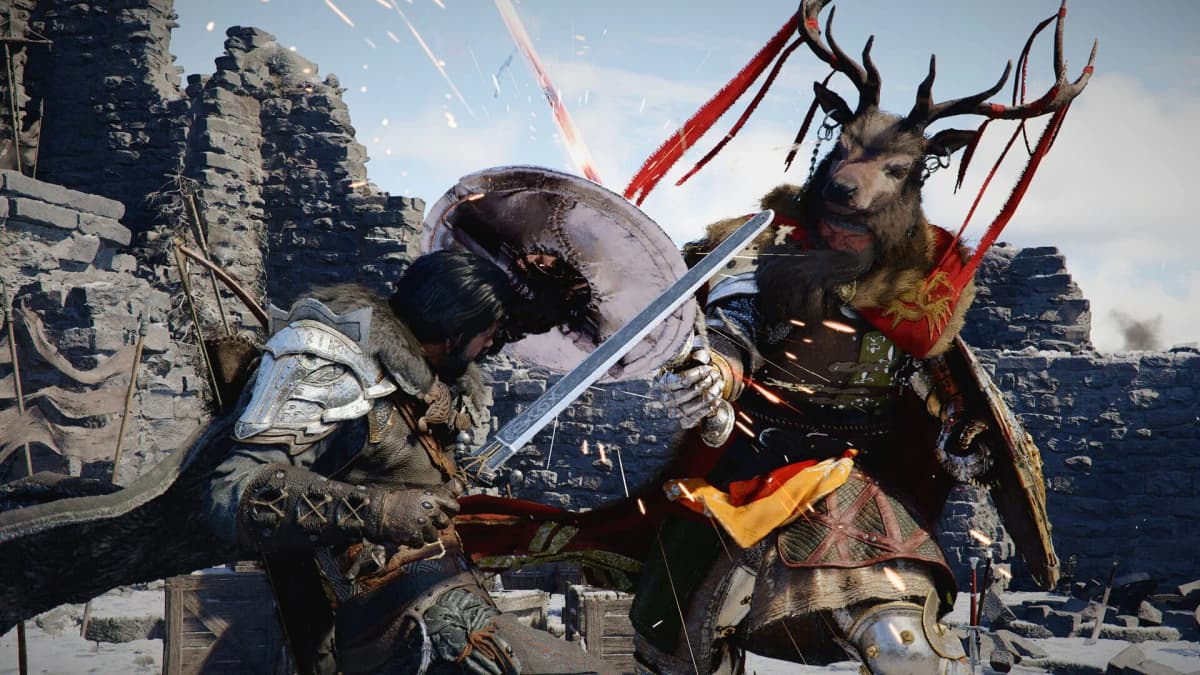
The inventory fix is boring news – which is exactly why it matters
Inventory tabs are not flashy. They are also the kind of fix that can quietly improve a game more than a cinematic boss trailer ever will. Reported category tabs include things like food, wardrobe, gatherables, and collections, and that tells you Pearl Abyss is finally putting some walls between the game’s overlapping item economies. Good. Action RPGs love drowning players in loot and materials, then acting surprised when the UI collapses under the weight of its own systems.
Crimson Desert has already been patching around control responsiveness, storage friction, and general quality-of-life since launch. This larger update looks like the first time those fixes are being bundled into something more coherent. A better inventory system is not glamorous, but it is one of the clearest signs that a developer understands the difference between adding content and removing annoyance. One keeps players interested. The other keeps them around long enough to care.
The same logic applies to keyboard-and-mouse and controller presets. Presets sound small until you remember how many action games ship with input setups that feel just slightly wrong in a way that slowly drives players insane. “Playable” is not the same as “comfortable,” and Pearl Abyss seems to have figured that out after launch instead of before it.
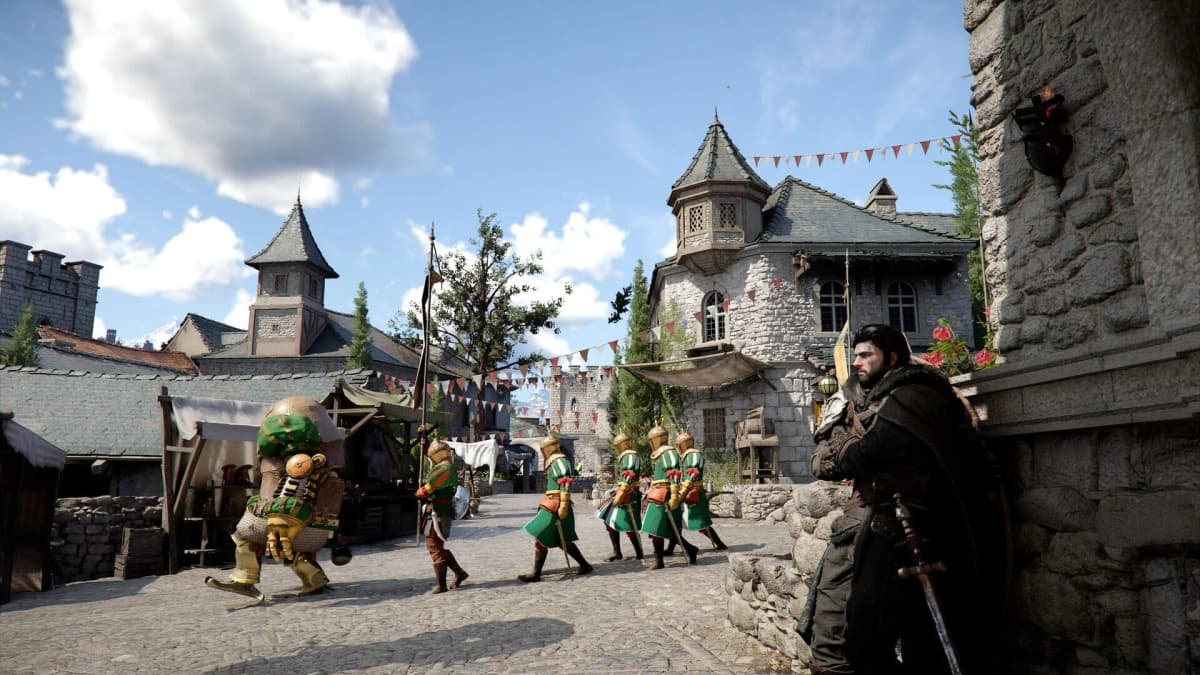
Replayable bosses are the smartest thing in the patch
Replayable boss fights are the addition I’m most inclined to praise without a raised eyebrow. If Crimson Desert wants to lean on its spectacle combat, then letting players rematch standout bosses is just common sense. Good boss fights are expensive to build, and wasting them on a single clear has always felt like one of the stranger habits in modern action RPG design.
Enemy respawns and outpost resets fit the same philosophy. They make the world more game-like in a practical sense. More testable builds, more combat loops, more reasons to revisit systems after the story moves on. Depending on the exact implementation, this could also help the game feel less like a one-way parade through handcrafted encounters and more like a world with repeatable gameplay value.
There is one catch, though. Replayability systems are only as good as the rewards, balancing, and convenience around them. If replayable bosses are buried under awkward menu flow, weak incentives, or bloated prep time, players will touch them once and move on. The announcement makes the feature sound good; the implementation still has to prove it.
The delay is fine. The bigger question is whether Pearl Abyss can stop patching reactively
The patch was delayed into next week so the team could spend more time testing and polishing it. That is the least controversial thing here. After a launch defined by frequent updates and visible player feedback loops, taking extra time on a larger patch is the correct move. Nobody needs another rushed mega-patch that creates three new problems while fixing two old ones.
What I’m watching instead is whether this update marks the end of Crimson Desert’s triage phase. There is a difference between healthy post-launch support and a studio spending weeks plugging foundational design holes. This patch looks substantial enough to land on either side of that line. If the new difficulty options, inventory categories, and control presets meaningfully stabilize the experience, Pearl Abyss gets to move from repair work to refinement. If not, then this “big patch” will just be another step in a longer recovery story.
What to watch next
- The full patch notes next week. The exact tuning on easy, normal, and hard will tell us whether this is true accessibility work or just crude damage-number reshuffling.
- How replayable boss fights are accessed and rewarded. Convenience and incentives will decide whether the feature sticks.
- Download size and performance impact from the distant scenery improvements. Visual upgrades are nice until they start taxing stability.
- Player response in the first 72 hours after release. If conversation shifts from “finally” to “actually feels better,” Pearl Abyss has done more than patch symptoms.
TL;DR
Crimson Desert’s delayed patch coming next week adds difficulty modes, control presets, inventory tabs, replayable bosses, enemy respawns, outfits, and visual quality improvements. The real story is that Pearl Abyss is moving beyond hotfixes and addressing core design complaints players found immediately after launch. Watch the full patch notes, because the details will show whether this is a meaningful stabilization patch or just a bigger bandage.
FinalBoss // Gear
Level up your setup
01Top-rated gaming headsetson Amazon→02High-refresh gaming monitorson Amazon→03Gaming chairson Amazon→04Discounted game keyson Kinguin→Affiliate links · As an Amazon Associate, FinalBoss earns from qualifying purchases.
Want to Level Up Your Gaming?
Get access to exclusive strategies, hidden tips, and pro-level insights that we don't share publicly.
Ultimate Editor's Pick Strategy Guide + Weekly Pro Tips