
Table of Contents (19)
My First 25 Hours With Yakumo: Blood Mist, Blades, and a Camera That Never Blinks
I went into Ninja Gaiden 4 expecting to wrestle the camera more than the enemies. Within the first hour-DualSense Edge in hand, Performance Mode at 60fps on a PS5-I realized something unexpected: I stopped thinking about the camera entirely. That is the highest praise I can give a character-action game. It meant I could focus on the rhythm of parries, the whisper of a dodge window, and the percussive punctuation of a well-timed launcher without second-guessing where the lens was pointing. By the time I reached Chapter 6, my thumbs were acting before my brain; by Chapter 12, I started chasing S-ranks on encounters just because the combat felt that good.
Also: this game is violent. Not just “older Ninja Gaiden” violent, but unflinching, relentless, and designed to make you wince even as you grin. It’s a selling point and a source of fatigue, depending on how long your sessions run. I’ll get to that tradeoff, because it shaped how I played.
Yakumo’s Kit: Platinum sheen on a Ninja Gaiden backbone
Yakumo, a Raven Clan rival to the Hayabusa legacy, isn’t a Ryu clone. He trades old-school Ninpo theatrics for a weapon empowerment system that feels immediate and tactical. Think “charge and flip the table,” not “hold for a cutscene nuke.” The move list trickles in through a skill grid you feed with currency from encounters and challenges. Early on I unlocked faithful classics-the Guillotine Throw and Izuna Drop—and those became the connective tissue of my offense. Every time I unlocked something new, the game nudged me into Training Mode with a literal “try it now” prompt. That drip-feed mattered. In the preview build I once tried, I had everything unlocked at once and nothing stuck. Here, an hour with a new move was enough to file it into muscle memory.
The weapons are fewer than the old days (five across a full playthrough), but they’re all Swiss Army nightmares. The standout for me is Kage-Huriko: wolverine claws that chain into giant shurikens, then a spiked morningstar, plus mechanical arms that can pepper the arena from a storage box on Yakumo’s back that might as well be bottomless. It’s extra in the best way. The polearm that flips into a hammer is my runner-up—launch into a swift poke string, then convert to a slab-sided head-crusher to end a stagger. The basic twin katanas are still surgical and satisfying, but after Kage-Huriko’s buffet of options, it’s hard to go back.
I kept waiting for quick-swap combo bridges—the Bayonetta-style flourish where swapping mid-string tweaks enders. Ninja Gaiden 4 is surprisingly restrained here. If you switch weapons mid-attack, Yakumo finishes the current animation and transitions cleanly, but he doesn’t weave into a new bespoke string. Initially I called it a missed opportunity. A dozen hours later, I realized it’s a deliberate guardrail to preserve clarity at speed. I could read enemy telegraphs without my own kit becoming noise.
Combat Feel: Flow state, earned the hard way
I started on “Normal” to relearn the series’ rhythm, then bumped to “Hard” by Chapter 8 and dabbled in the two post-credits modes that crank up enemy aggression and remove some safety nets. The balance is razor-sharp across the board. If you just want a cathartic power trip, the lowest difficulty layers optional helpers right on the pause screen—auto-dodge, combo assist, the works. I didn’t use them, but I’m glad they exist. On the flip side, the higher settings ask you to live by parry windows and meter awareness. Perfect dodges trigger a tiny slowdown that feels like a nod to Platinum’s library, giving you a breath to punish without trivializing the exchange.
By the 10-hour mark, I was reliably baiting heavies into power swings, sliding through the arc, and answering with a charged empowerment slam. That slam isn’t a “win button”; enemies armored through it more than once, and I learned the hard way that the animation commitment will get you punished. But when it hit? Chef’s kiss. My favorite loop became: short katana string to test the waters, perfect dodge to pop slowdown, empowerment burst to shotgun a stagger, then an Izuna Drop to clear space. Once I latched onto that rhythm, I wanted tougher sandboxes to test it.
Bosses: Patient, punishing, and properly theatrical
Ninja Gaiden 4’s bosses went straight for my old-school action game heart. You can mash your way through mooks, sure. The bosses will teach you not to. Multi-phase health bars, patterns that demand observation, and parries that feel like slamming a door in the wind—every big fight forced me to slow down and unlearn bad habits. A midgame duel with a wolf deity bristling with turbine-like wings had me counting beats out loud so I wouldn’t whiff the delayed second strike. A late-game set piece against a creature that slips between planes relied on audio tells more than animations, and when I finally landed a full punish after dodging a blink-teleport, I actually stood up off the couch. The spectacle is over-the-top and a little campy, but the mechanics underneath are tight enough that the fireworks enhance rather than hide the fight.
Camera: The quiet MVP
The series’ messy camera legacy is a punchline at this point. Not here. Ninja Gaiden 4’s camera feels like it was tuned by someone who has watched a lot of combat footage frame by frame and took notes. It sits back when crowds swarm, slides in close for duels, and always respects the center of threat. Off-screen attack indicators are readable without looking like arcade pop-ups. The optional lock-on is sticky enough for target focus but never hijacks my movement. The only times it failed were when I literally backed into geometry and boxed the lens in—my fault. The rest of the time, it directed the action like a competent cinematographer with an eye for both clarity and drama.
Where the flow breaks: Platforming and prompts
I’m convinced the wall-run has a secret geometry quiz behind it. The Flying Bird Flip still slaps—bouncing between walls is as rhythmic as it’s ever been—but the vertical wall run demands an angle so particular that I lost count of how many times I slid sideways instead of up. Yakumo’s glider and grappling hook should be the pressure valves that open the level’s verticality; the number of times a prompt didn’t appear when it looked like it should is, generously, “too many.” You only lose a sliver of health when the game deposits you back on a nearby ledge, but momentum loss matters. During a Chapter 9 gauntlet where I was chasing an S-rank, a missed grapple prompt killed the pacing high I’d built. It’s death by a thousand stutters.
Level design and enemy variety: Four great vibes, too many repeats
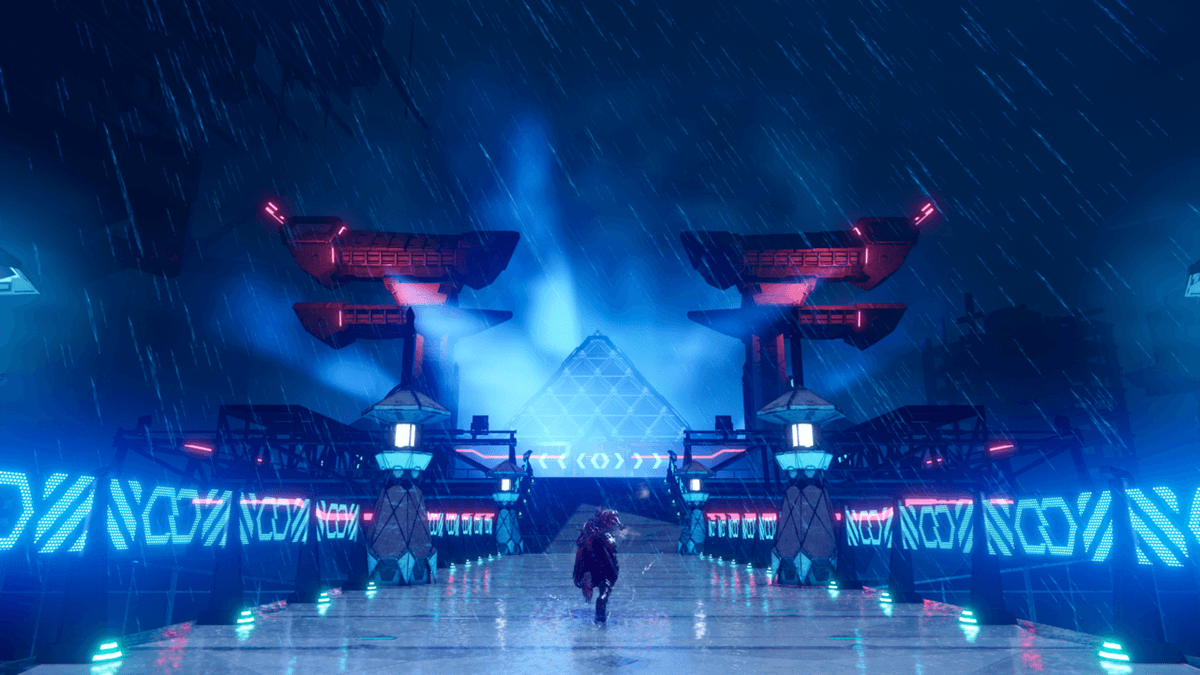
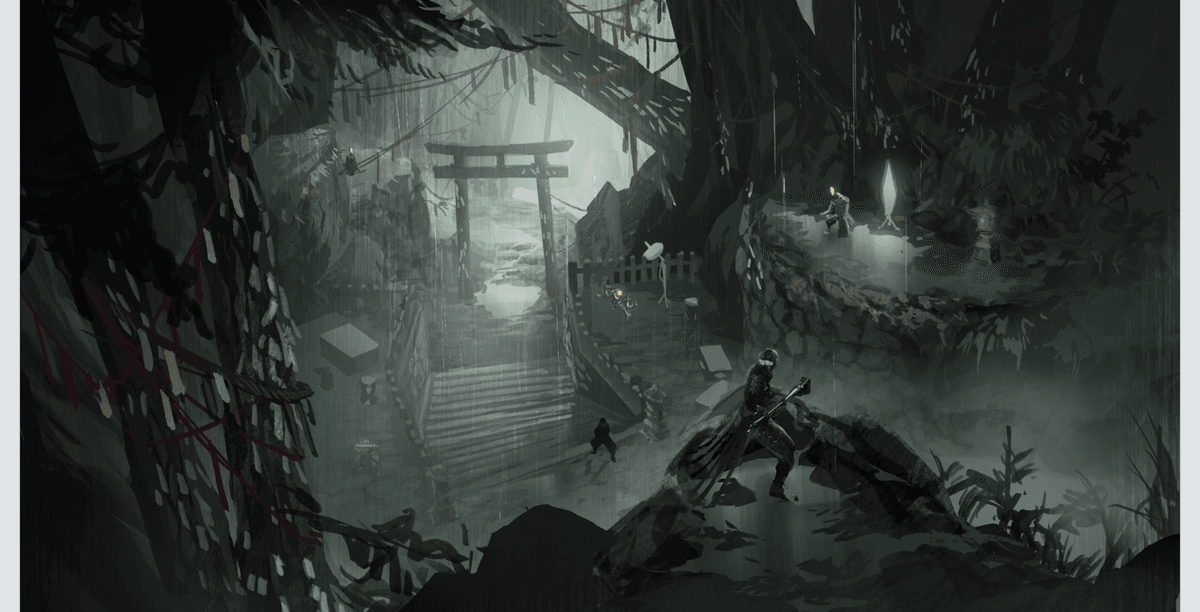
Nineteen chapters sounds colossal until you realize you’re basically rotating through four major locales: Sky City Tokyo, Fuuhaku Sanctum, the Drowned District, and the DDO headquarters. I like the vibes—a rain-slicked nightlife district that leans cyberpunk, a sanctum that blends myth and stone, a flooded maze bristling with vertical choke points, and a sterile corporate sprawl. Each looks sharp, and HDR gives neon and paper lanterns a rich glow. But after a dozen chapters, the loop of alleys, courtyards, shafts, and arenas starts to echo itself. I could tell which arena had a hard wave spawn just by the crate layout.
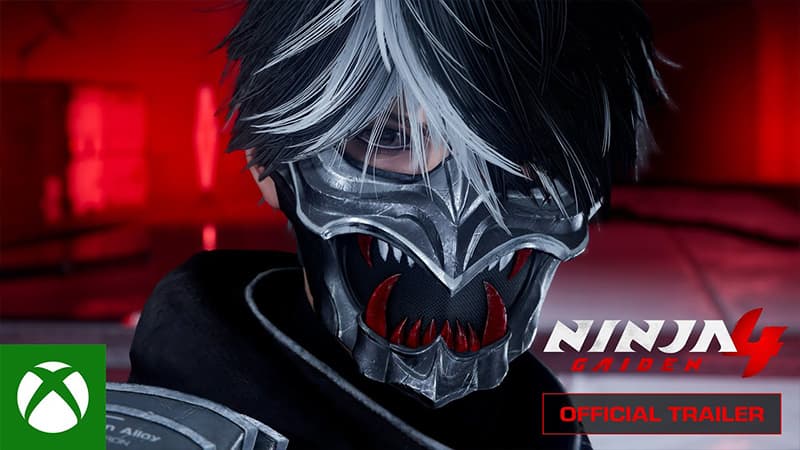
The enemy roster doesn’t help. When a specific armored grunt gets under your skin, be prepared to see him again and again across chapters. There are demons, soldiers, and agile jerks with just enough invulnerability frames to force respect, but the pool is shallow. The silver lining is that fewer types meant I could hard-learn parry timings and counters, and on higher difficulties that mastery is rewarding. It’s still a gap. You feel it most in the Purgatory Trials—wave-based arenas that channel the old Tests of Valor. They’re fun, and the challenge ramps smartly, but when the gate drops and it’s the same cast in a different order, the novelty plateaus.
Soundtrack: The real mood setter
The music does heavy lifting. Metalcore riffs blend with taiko hits and electronic swells, and the result threads the series’ DNA without leaning on nostalgia bait. There’s a track in the Drowned District that layers a chime pattern over a distorted bassline; it synced with my dodge rhythm so perfectly that I caught myself breathing in time to it. When the environments repeat, the soundtrack is what sells the moment anyway.
Story and cast: Efficient quips, thin payoffs
The game wisely keeps most exposition on comms between fights, which preserves momentum. But when characters do meet up for big scenes, the emotional beats rarely land. Yakumo himself is deliberately underplayed—reserved, a little prickly, almost old-school stoic—and that works fine in combat but doesn’t carry cutscenes. There are a couple of fun cameos (one mid-game encounter made me pause the action just to grin), and finishing the story unlocks a way to revisit chapters from a different perspective for some smart fan service. Still, it’s clear the narrative is a bridge to whatever’s next rather than a proper destination. I didn’t mind; the combat is the point. But if you come for a character study, you’ll bounce off.
New Game+, challenges, and the “one more run” spiral
Beating the campaign isn’t the finish line; it’s a training lap. Post-game opens extra difficulty tiers, optional missions, modifiers, and those Purgatory Trials I mentioned. There’s no co-op brawler mode here, but online leaderboards for encounters and trials are enough to scratch the score-chasing itch. I rolled credits at 18 hours, then lost another seven to challenge runs and trying chapters with Ryu unlocked. The game knows its combat loop is the feast and bets big on it. That bet pays off if you enjoy mastery for its own sake.
Tech check: Performance, responsiveness, and options
On PS5, I stuck with Performance Mode for the 60fps target and near-instant loads. Frame pacing felt rock-solid in most arenas, with occasional dips when particle effects stacked during multi-elite scrums; nothing input-breaking. The 120Hz option looks and plays beautifully on a compatible display—combat at that refresh feels like cheating—but the resolution tradeoff is noticeable on a big screen, so I bounced between them depending on the chapter. Input responsiveness is best-in-class either way. I turned motion blur off, reduced camera shake to “Low,” and set lock-on to manual. There’s a clean readability pass in the UI—a slim off-screen indicator, enemy intent flares that don’t drown the screen, and colorblind-friendly toggles I always appreciate.
How I avoided burnout: Play it like a tasting menu
This is the rare action game I enjoyed more in 60-90 minute sessions. The violence has a cumulative weight; marathon three chapters in a row and the carnage starts to blur. Taking breaks let the sharper encounters stand out—the Chapter 5 club melee, the Chapter 11 sanctum ascent, the penultimate boss that turns the arena itself into a hazard checklist. Spacing those out preserved the “wow” factor and kept the repetition from calcifying into boredom.
What works—and what doesn’t—for different playstyles
- If you live for character-action mastery: The tight parry windows, empowerment mind games, and boss designs are your playground. New Game+ is robust enough to keep you busy for weeks.
- If you need variety in enemies and spaces: Expect repetition. The four biomes are striking but recycled, and the enemy pool is shallow compared to the genre’s best.
- If you’re sensitive to violent imagery: The presentation is intense. The option toggles can tone down some visual effects, but the core vibe remains.
- If you chase leaderboards: Load times are snappy, Training Mode is useful, and the combat’s precision rewards route-planning.
- If platforming frustrates you: Wall-running angles and occasional missing grapple prompts will test your patience during time attacks.
The comparison lens: Where it sits next to the greats
Mechanically, Ninja Gaiden 4 sits in the same coffee shop as Bayonetta and Nier: Automata but orders a harsher brew. It’s more grounded than Bayonetta’s combo jazz and less toybox-experimental than something like Devil May Cry 5. The tradeoff is clarity and texture—combat reads instantly and rewards precise execution. Where it falls behind DMC5 is enemy variety and sandbox diversity, both of which feed directly into replay longevity. Still, moment-to-moment, I never felt shortchanged; the camera and controls kept me locked in, and when I failed, it was because I read the exchange wrong, not because the game got in the way.
Gripes worth patching
- Platforming polish: Loosen the wall-run angle tolerance and make grapple/glider prompts more consistent.
- Enemy additions: Even two or three more mid-tier enemy types with unique timings would boost variety in the late game and in Trials.
- Swap tech: A handful of optional mid-string swap enders, even if limited, would deepen weapon expression without turning the kit into spaghetti.
Who should play Ninja Gaiden 4
Play this if you crave fast, precise combat and you like proving it to yourself on higher difficulties. If you’re returning for Ryu and the old swagger, Yakumo’s different—but the spirit’s intact, and the post-game nods to series history are worth the ride. If repetition in arenas and enemies grinds your gears, temper expectations or wait for a content update. If you’re squeamish, steer clear; the game doesn’t flinch.
Bottom line
Ninja Gaiden 4 gave me what I secretly wanted: a modern action game that trusts me to keep up. The combat is electric, the camera is the best the series has ever had, and the post-game is meaty enough to justify a second and third lap. It’s also a game that shows its seams—four areas stretched across nineteen chapters, a shallow enemy bench, and platforming that occasionally steps on its own toes. When I think back on my time with it, I remember the heartbeat between a perfect parry and a punishing counter, not the alley I saw three times. For a series with a prickly history, that feels like the right legacy to revive.
Score: 8.5/10
TL;DR
- Combat is fast, readable, and deeply satisfying, with a restrained but expressive weapon system.
- Camera is shockingly good—stays out of your way, frames fights smartly, and gives reliable awareness.
- New Game+ and challenge content extend the life well beyond the credits; leaderboard chasers will eat.
- Enemy variety and level layouts repeat too often; you’ll feel it by the back half.
- Platforming quirks and inconsistent prompts can break flow during time-sensitive runs.
- If you can handle the intensity and play in measured sessions, this is the sharpest Ninja Gaiden has felt in years.
FinalBoss // Gear
Level up your setup
01Top-rated gaming headsetson Amazon→02High-refresh gaming monitorson Amazon→03Gaming chairson Amazon→04Discounted game keyson Kinguin→Affiliate links · As an Amazon Associate, FinalBoss earns from qualifying purchases.
Want to Level Up Your Gaming?
Get access to exclusive strategies, hidden tips, and pro-level insights that we don't share publicly.
Ultimate Reviews Strategy Guide + Weekly Pro Tips