

Is Ninja Gaiden: Ragebound the Retro Reboot We Deserve?
Game intel
Ninja Gaiden Ragebound
A brand-new side-scrolling entry to the NINJA GAIDEN series from the team behind Blasphemous, NINJA GAIDEN: Ragebound redefines the classic platformer saga in…
Is Ninja Gaiden: Ragebound the Retro Reboot We Deserve?
I’ll be honest—when Dotemu and The Game Kitchen announced a brand-new 2D Ninja Gaiden, my inner retro gamer did cartwheels. These studios, fresh off TMNT: Shredder’s Revenge and Blasphemous, have raised expectations so high that one misstep would feel brutal. After years of lukewarm ports and half-hearted remasters, Ragebound is shaping up to be the faithful revival we’ve longed for.
Launch Plans & Frame Rates
Mark your calendars for July 31, 2025. Ninja Gaiden: Ragebound lands on PC, PlayStation 5, PlayStation 4, Xbox Series X|S, Xbox One, and Nintendo Switch. All systems aim for a buttery 60 frames per second—crucial for a game built on lightning-fast swordplay—except Switch, which will launch locked at 30 FPS. Xbox Game Pass subscribers can dive in day one, while PC, PS5, and Series X|S players should enjoy the smoothest experience thanks to next-gen hardware.
Platform-Specific Notes
The Nintendo Switch version’s 30 FPS cap might raise eyebrows among speedrun enthusiasts and purists alike, especially when split-second timing is the name of the game. Rumor has it that backward compatibility on the next-gen Switch hardware could unlock higher frame rates, but official word is still pending. On PlayStation and Xbox, dual-shock and adaptive triggers meet razor-sharp responsiveness, while PC players can fine-tune settings for resolution and V-sync tweaks.
Core Gameplay Mechanics
Ninja Gaiden: Ragebound leans hard into what made the originals legendary—tight controls, brutal enemy patterns, and handcrafted level design—while introducing modern refinements like upgrade trees, hidden missions, and gauntlet rooms. These additions reward precision over brute force, giving veterans fresh challenges without diluting the core experience.
Dual Protagonists, Dual Perspectives
Forget Ryu Hayabusa—for the first time in decades, the spotlight shifts to two new faces: Kenji Muzo, a battle-scarred shinobi with a thirst for vengeance, and Kumori, a kunoichi whose stealth and agility offer a contrasting playstyle. Their intertwining narratives promise replay value: one path unearths late-game secrets the other can exploit. It’s two perspectives of ninja vengeance, each fueling the other’s mysterious clan conflicts.
Pixel-Art Overhaul
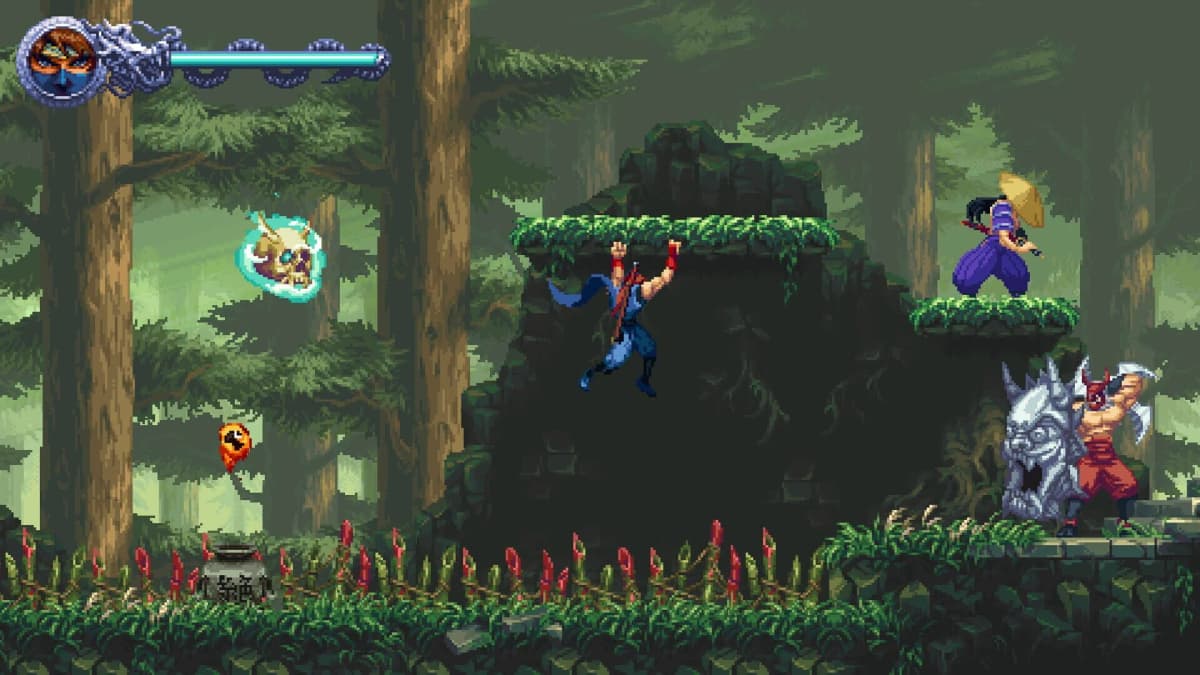
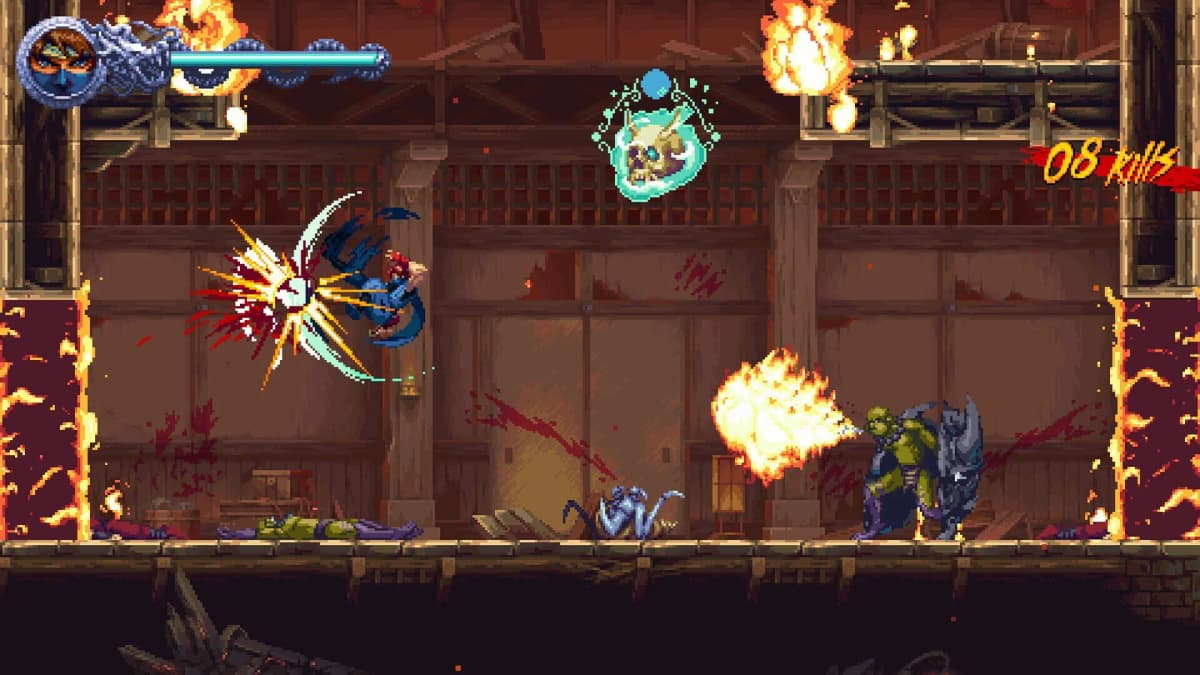
The Game Kitchen’s signature pixel flourish is on full display. Handcrafted sprites animate with incredible fluidity, elevating backgrounds from “nostalgic backdrop” to “living tapestry.” Each slash carries satisfying weight, and environmental hazards—spiked floors, collapsing platforms, swinging logs—are more than window dressing. They react dynamically to your movements, ensuring the world feels as lethal as it looks.
Chiptune Meets Modern Beats
The soundtrack is nothing short of a love letter to the NES era. Legendary composers Keiji Yamagishi, Ryuichi Niita, and Kaori Nakabai reunite, layering classic chiptune riffs with modern orchestral swells. Ari Pulkkinen (Blasphemous) joins the ensemble to weave in pumping basslines and ambient textures. The result is an adrenaline-charged score that transitions seamlessly from stealthy infiltration to all-out boss battles.
Want to Level Up Your Gaming?
Get access to exclusive strategies, hidden tips, and pro-level insights that we don't share publicly.
Ultimate Gaming Strategy Guide + Weekly Pro Tips
Skill-Based Gauntlets & Upgrades
Beyond the main campaign, Ragebound offers replayable gauntlet rooms and hidden side missions designed to test your mastery. Upgrade trees let you tailor your ninja’s abilities—faster wall-runs, enhanced shuriken arcs, or brutal combo forks. Fans of the old school will appreciate that brute force alone won’t carry you: timing and spatial awareness remain king.
Walking the Line Between Old and New
Nostalgia can be a double-edged katana: too much, and it feels like a dusty museum piece; too little, and it loses its soul. Ragebound’s biggest triumph so far is balancing classic difficulty spikes with quality-of-life tweaks—checkpoints placed just after the trickiest leaps, transparent hitboxes, and subtle aim-assist for projectile attacks. It respects the past while easing in newcomers.
Where It Might Slip
No revival is flawless. The Switch’s frame-rate ceiling could frustrate devoted speedrunners, and there’s scant word on difficulty options or accessibility modes for players who need them. The dual-story structure is promising, but deeper character motivations and world-building details remain unconfirmed. Gauntlet overload is a risk too—too many side challenges might dilute the core narrative drive.
Why It Matters
The original NES trilogy set a brutal benchmark for side-scrolling action. Fans deserve more than a glossy throwback—they want a game that honors that breakneck pace without tipping into unrelenting masochism. With collectibles, unlockable paths, and environmental secrets sprinkled throughout, Ragebound could do for Ninja Gaiden what Shredder’s Revenge did for TMNT: delivering a fresh yet familiar thrill ride.
Final Thoughts
Ninja Gaiden: Ragebound isn’t just another retro revival. It’s shaping up to be one of next year’s toughest—and most artful—2D action tests. If it nails both pixel-perfect presentation and pulse-pounding combat, it may redefine what a faithful reboot can be. Ready to test your ninja mettle? Share your hype (or your concerns) in the comments below!