
A hacker outfit calling itself Crimson Collective claims it broke into Nintendo and grabbed internal data-posting screenshots of production files and save data to back it up. Nintendo hasn’t confirmed anything. That combo-loud claims, light proof, radio silence-always makes my radar ping. We’ve all seen how ugly these breaches can get (Insomniac’s 2023 leak was brutal), but we’ve also seen clout-chasing groups puff up nothingburgers to look like master hauls.
According to coverage rounding up the posts, Crimson Collective shared screenshots that look like build directories, project documentation, and save files. That’s the kind of “see, we’re inside” proof hackers often wave around. It’s convincing at a glance, but it’s also the easiest thing to fake or recycle from prior leaks. Without hashes, watermarked internal IDs, or cross-verified timestamps, screenshots are marketing, not evidence.
Nintendo, for its part, is saying nothing. That’s on brand; the company rarely comments on security incidents until it absolutely has to. The group has also been connected to a massive corporate data theft elsewhere, which conveniently sets the stage for “we’re the real deal” posturing. Whether this is a genuine intrusion or an attempt to stake out territory in the cybercriminal scene is exactly what time—and independent verification—will sort out.
If you’ve been around long enough to remember the infamous 2020 “Gigaleak,” you know Nintendo’s development history has spilled before—old prototypes, early code, design docs. That wasn’t a live pipeline breach; it was more like a vault popping open. The impact was mostly historical curiosity with a side of security concern. Compare that with Insomniac’s ransomware leak in 2023: active projects, employee info, and years of plans detonated online, with real-world consequences for devs and fans alike.
So where could this one land if it’s legit? Development assets and admin docs usually mean spoilers (unannounced projects, plot details, mechanics), potential schedule disruption, and a legal crackdown as Nintendo’s lawyers go full whack-a-mole on mirrors. But it typically doesn’t mean your Switch account suddenly gets drained. The immediate harm is to developers’ work and to surprise reveals—not to Nintendo Network sign-ins.
Short term, your eShop purchases and cloud saves should be fine. This sort of breach—if real—doesn’t usually touch consumer payment rails or auth systems. The bigger risk is spoiler storms and a drip-feed of contextless docs getting spun into rumor cycles. If you care about going into future Nintendo showcases blind, start muting keywords and dodging “leak recap” threads now.
Expect some knock-on effects: delayed announcements, altered marketing beats, or even schedule shuffles if builds or partner materials are circulating. Also expect platform moderation to get stricter for a bit; Nintendo’s never been shy about DMCA filings, and they’ll swing hard if dev code or assets are posted.
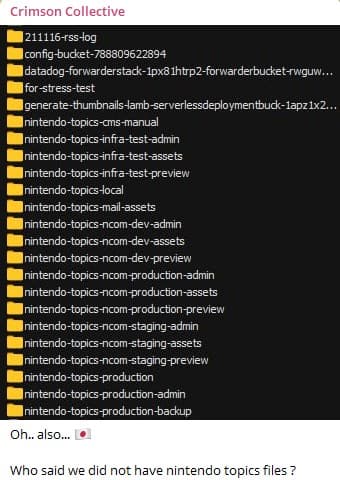
Hack crews thrive on reputation. Linking yourself to a prior 570 GB corporate heist makes you sound formidable, but the only credibility that matters is independently verified data. Look for third-party analysts confirming file signatures, internal email headers, or build metadata that couldn’t be faked with public info. Until that happens, treat this as “unconfirmed but plausible.” We’ve seen groups exaggerate access before to fish for ransoms, recruits, or media attention.
Even if player data isn’t in the crosshairs here, breach chatter always sparks phishing. Lock down the basics:
The industry’s attack surface has ballooned: remote work, outsourced QA, localization vendors, cloud build pipelines—you don’t need to hit the mothership if you can pop a supplier. That’s why we keep seeing these stories across publishers. Whether Crimson Collective has the goods or is just peacocking, the playbook is familiar: post a teaser, court headlines, and pressure the target.

For players, the healthiest stance is curiosity without complicity. Don’t harass devs, don’t download stolen builds, and be mindful that half-read design docs make for terrible prophecies. Wait for confirmations, and let the work speak when it’s ready.
A hacker group claims it breached Nintendo and flashed screenshots as proof, but there’s no confirmation. Player accounts don’t appear to be in danger; the real risk is spoilers and dev disruption. Lock down your account, dodge leaks, and wait for verified details before drawing conclusions.
Get access to exclusive strategies, hidden tips, and pro-level insights that we don't share publicly.
Ultimate Gaming Strategy Guide + Weekly Pro Tips