
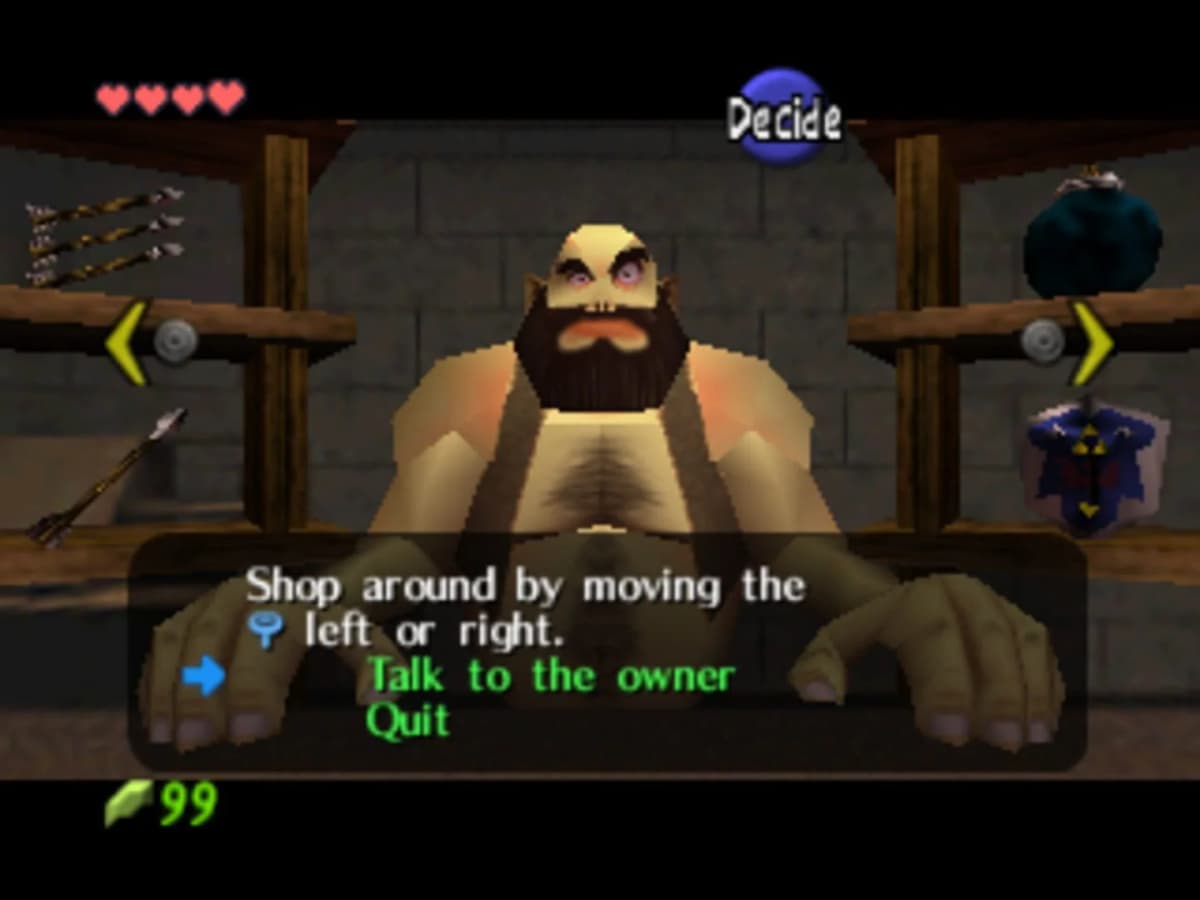
A twenty-eight-year-old Nintendo 64 game just became the most important piece of software on the Switch 2 calendar. Nintendo’s June 9 Direct did not show combat. It did not name a developer. It did not clarify whether Link will speak, whether Hyrule Field has been restructured, or whether the Water Temple has been redesigned by someone who understands human emotion. What Nintendo confirmed was a 2026 release window, Switch 2 exclusivity, and a redesigned Young Link – just enough proof that the rumor cycle had the right year and the right platform, and precisely nothing else.
The gap between confirmation and specification is the entire story.
Table of Contents (5)
What the Direct Actually Locked In
Nintendo is treating this as a full remake, not a port. That distinction matters because the Switch 2 launch window has been crowded with upgrades and re-releases that blur the line between remaster and remake. A full remake implies rebuilt assets, potentially retooled systems, and a budget that signals confidence in the hardware. The 1998 original has been available in various forms for decades – on GameCube via the limited Master Quest disc, across multiple Virtual Console iterations, on Switch Online’s Expansion Pack, and most notably in the 2011 3DS version developed by Grezzo. Each of those releases preserved the core geometry and systems of the N64 build. By calling this a remake and locking it behind Switch 2 exclusivity, Nintendo is explicitly asking players to buy Hyrule again at a premium that only a ground-up reconstruction can justify.
The Direct positioned the Ocarina of Time remake as the crown jewel of a broader Switch 2 slate that also included Wind Waker and other legacy ports, but the 1998 classic received the anchor slot for a reason. Locking it to Switch 2 when the original Switch install base exceeds 140 million units is a statement of intent. Nintendo is not interested in a cross-generational safety net; it wants a system seller with enough gravitational pull to move hardware in 2026. Whether a twenty-eight-year-old game can do that depends entirely on scope, which brings us back to what remains unsaid.
The Leak Pipeline Had the Calendar, Not the Blueprint
The leak ecosystem spent months speculating about voice acting, semi-realistic art direction, and experimental “dimensions” mechanics that would split the timeline into parallel play spaces. The Direct teaser neither confirms nor denies any of it. What it does prove is that the timeline was feasible – Nintendo had enough of the project assembled by mid-2026 to publicly commit to a release within the same calendar year. That alone validates the leak cycle’s directional accuracy.
But directional accuracy is not the same as truth. The teaser showed updated visuals, yet offered no extended gameplay sequence to confirm camera behavior, combat timing, or dungeon layout. The redesigned Young Link suggests a visual overhaul, but the art direction could still land anywhere on the spectrum between the 3DS remake’s refined literalism and Wind Waker HD’s stylized reinterpretation. Without a named developer or a demonstrated mechanical change, every specific gameplay rumor remains exactly that: a rumor.
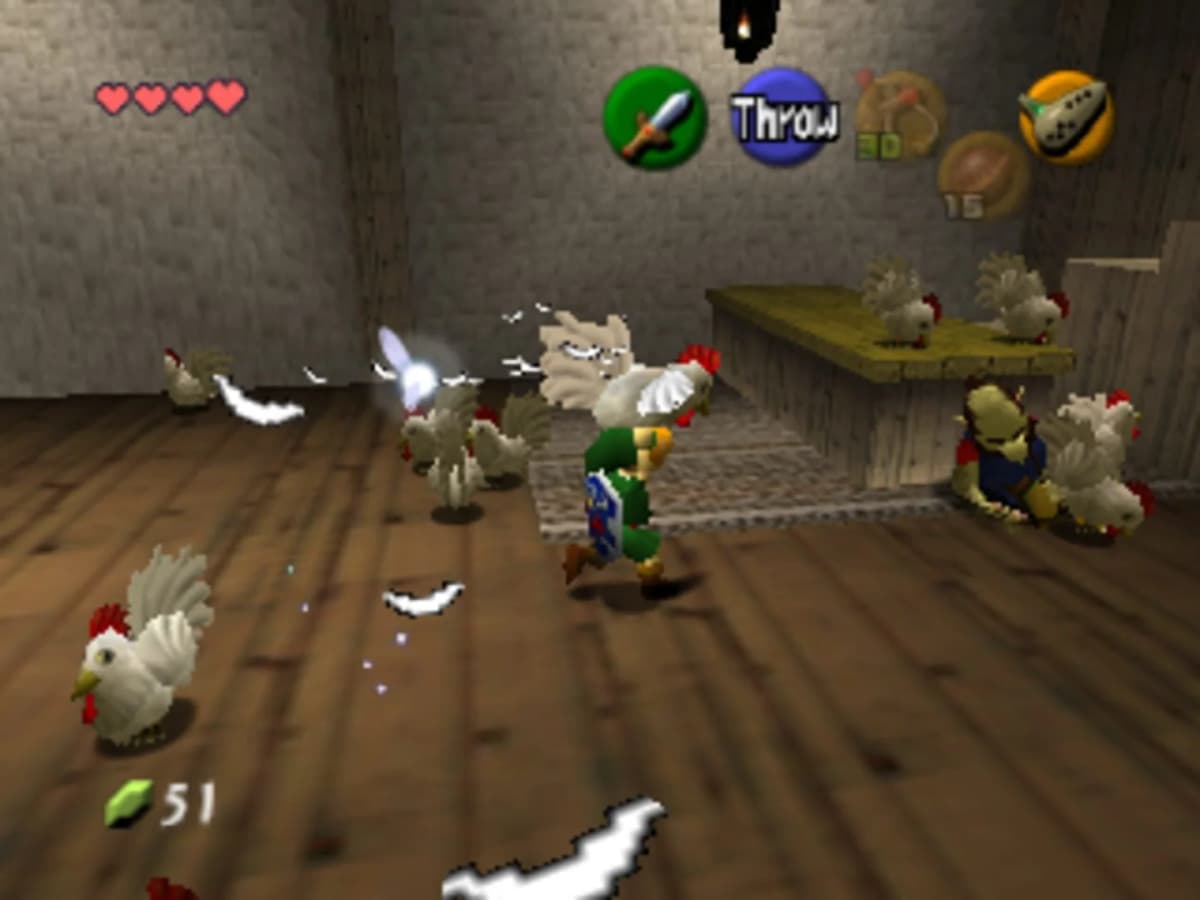
This is the uncomfortable observation. Nintendo knows that confirmation bias will do the marketing for them. By releasing a sparse teaser early enough to dominate conversation through the holiday season, they allow fan expectation to fill in the blanks with the most optimistic possible reading. It is an efficient strategy. It is also how you end up with a community disappointed by a product that was never actually promised.
Why Nintendo Is Keeping the Ambiguity Deliberate
The 2011 3DS remake set a high bar for what a faithful Ocarina of Time refresh looks like. It modernized textures, streamlined inventory management with touch controls, and added Master Quest as a built-in bonus. It was excellent. It was also fundamentally the same game. If the Switch 2 remake stops at that level — prettier models, smoother framerate, quality-of-life tweaks — it will be a fine product and a crushing disappointment for anyone expecting a Final Fantasy VII-style reinvention.
Nintendo has avoided defining the remake’s ambition because there is no upside to doing so this early. If they promise revolution and deliver refinement, the narrative turns toxic. If they promise refinement and the public expects revolution, pre-orders suffer. Silence keeps every potential customer in the funnel. The risk is that silence also lets speculation metastasize into assumed fact.
Institutional memory helps here. Nintendo has run this playbook before. Metroid Prime 4 spent years as a logo and a vague promise before any concrete footage appeared. The Legend of Zelda: Twilight Princess HD was marketed as a premium remaster and delivered exactly that — no more, no less. The company understands that its back catalog carries enough nostalgic weight that the mere hint of a remake generates its own momentum. They do not need to overpromise.
A Practical Checklist for the Rumor Season
If the Direct proved anything, it is that the rumor pipeline has access to Nintendo’s scheduling, not necessarily its design documents. Gamers need a mental filter for everything that drops between now and the inevitable full reveal.
- Ignore mechanic leaks without video evidence. Anyone can claim the Z-targeting system has been rebuilt or that Epona controls have been modernized. Without footage, it is fiction.
- Treat art style descriptions as guesswork. A single character render does not establish a game’s visual thesis. The final look could shift significantly before certification.
- Remember that “remake” is a marketing term. In this industry, it covers everything from Demon’s Souls to Pokémon Brilliant Diamond. The word guarantees nothing about scope.
- Clock the developer. If Grezzo returns, expect a conservative, respectful update similar to the 3DS version. If an internal EPD team or a partner like Retro Studios is attached, the ceiling for mechanical innovation rises dramatically.
- Watch for what is not shown. If Nintendo’s next trailer avoids continuous dungeon footage and relies on environmental montage, that is usually a signal that the structure remains largely untouched.
What to Watch
The 2026 window is tight for a project of genuine ambition, which suggests a fall or holiday release. The critical inflection point will be the next trailer, likely during a September Direct or The Game Awards. Watch for three things: whether Nintendo shows continuous gameplay or only curated snippets, whether dungeons have been structurally altered or simply relit, and whether the announced developer has a track record of mechanical innovation or visual polish. Those three data points will tell you whether this is a heritage preservation project or the Switch 2’s definitive creative statement.
Until then, the only thing confirmed is that Nintendo knows exactly how badly you want to return to Hyrule. The question is whether they are building a time machine or just repainting the one you already have.
FinalBoss // Gear
Level up your setup
01Retro consoleson Amazon→028BitDo controllerson Amazon→03Capture cards (Elgato & more)on Amazon→04Discounted game keyson Kinguin→Affiliate links · As an Amazon Associate, FinalBoss earns from qualifying purchases.
Want to Level Up Your Gaming?
Get access to exclusive strategies, hidden tips, and pro-level insights that we don't share publicly.
Ultimate Gaming Strategy Guide + Weekly Pro Tips